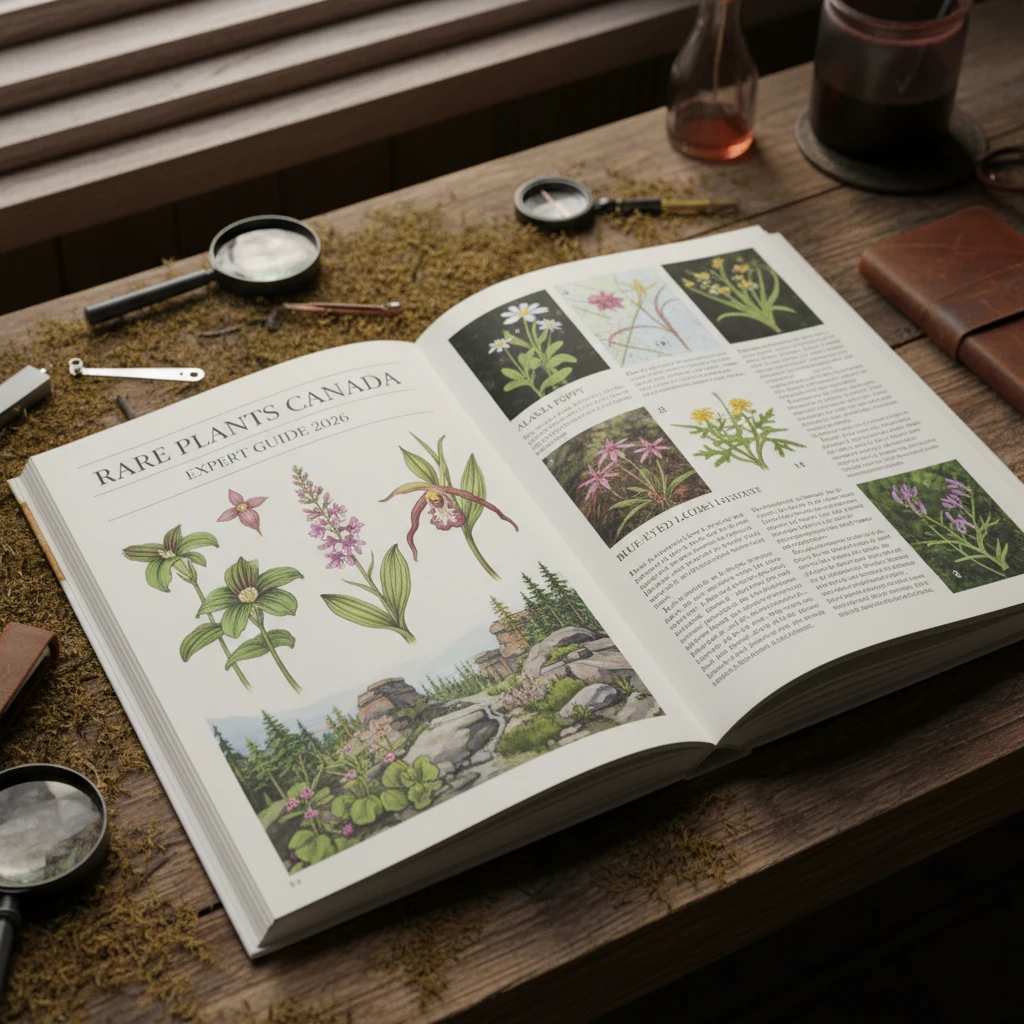
The exploration of Canada’s diverse flora extends beyond common wildflowers and trees; it encompasses a fascinating niche of rare botanical specimens, some of which hold significant ethnobotanical or psychoactive properties. As our understanding and appreciation for these unique plants deepen, so does the need for informed discourse and responsible engagement. This section aims to illuminate these hidden botanical treasures from an expert’s viewpoint.
Unveiling Canada’s Hidden Botanical Treasures: A 2026 Perspective
Canada’s vast and varied geography supports an astonishing diversity of plant life, many species of which are exceptionally rare and geographically restricted. These botanical gems often exist in delicate ecosystems, making their study and preservation a critical undertaking. In 2026, the focus on biodiversity and conservation efforts highlights the importance of understanding these unique plants, not just for their intrinsic value but also for their potential in various fields, from medicine to ethnobotany. Many rare plants require specific environmental conditions, such as unique soil compositions, particular light exposure, or symbiotic relationships with other organisms, which makes their natural distribution limited. Understanding these dependencies is crucial for any attempt at conservation or sustainable cultivation.
The allure of these rare species extends to their potential applications. Indigenous communities have long understood the medicinal and spiritual uses of many plants that are now being rediscovered by modern science. As research progresses, we are increasingly recognizing the complex phytochemical profiles of these botanicals, which may hold keys to new therapeutic compounds or provide insights into ancient knowledge systems. For instance, certain rare Canadian flora might possess potent anti-inflammatory or antimicrobial properties that are yet to be fully explored or synthesized. The careful study and documentation of these plants are essential steps in unlocking their potential benefits while ensuring their long-term survival in their natural habitats. Initiatives focused on cataloging and protecting these species are gaining momentum.
Navigating the Landscape of Rare Psychoactive Plants in Canada
Canada is home to a surprisingly diverse range of psychoactive plants, many of which are rare and warrant careful consideration. The legal framework surrounding these botanicals is complex and evolving, necessitating a thorough understanding for anyone interested in their exploration. Responsible acquisition and use are paramount, emphasizing education and adherence to current regulations. The distinction between naturally occurring psychoactive compounds and synthesized substances is also a critical area for awareness.
Understanding ‘Rare’ in the Canadian Botanical Context
In Canada, a plant is often considered ‘rare’ due to several converging factors. This can include a naturally restricted geographic distribution, such as species found only in specific microclimates or isolated regions like certain Arctic tundra areas or unique coastal ecosystems. Furthermore, a plant might be deemed rare if its population has been significantly diminished due to habitat loss, over-collection, or invasive species. For psychoactive botanicals, ‘rare’ can also refer to species that are not widely cultivated or commercially available, often due to legal restrictions, cultivation challenges, or a lack of widespread knowledge about their properties. Understanding these nuances is key to appreciating the conservation status and availability of these unique plants.
Factors Influencing Rarity: Cultivation, Sourcing, and Legality
The rarity of specific psychoactive plants in Canada is significantly shaped by a trifecta of challenges: cultivation difficulty, ethical sourcing, and a complex legal landscape. Some species, like certain obscure members of the *Datura* genus, require very specific soil pH, temperature, and humidity levels that are not easily replicated outside their native environments, making large-scale cultivation problematic. Sourcing these plants ethically means avoiding wild harvesting that could endanger wild populations and instead looking for cultivators who prioritize sustainable practices. The legal status of many psychoactive plants remains a grey area or is outright prohibitive in Canada, depending on the specific species and its active compounds, further limiting their availability and driving their rarity. For instance, while some traditional ethnobotanicals might be openly discussed, their sale or possession can fall under various controlled substances acts if certain psychoactive constituents are present. Navigating this intricate web requires diligent research and adherence to all applicable laws.
The Allure of Iboga: Exploring its Mystical and Therapeutic Potential
Iboga ( *Tabernanthe iboga*) is a fascinating plant native to Central Africa, increasingly gaining attention in Canada for its profound psychoactive and potential therapeutic properties. Its potent alkaloid, ibogaine, has been the subject of much research, particularly concerning its use in addiction treatment. Understanding the plant’s traditional uses, its complex effects on the human mind and body, and the critical considerations for responsible exploration is essential for anyone interested in this powerful botanical.
Deep Dive into Iboga’s Effects and Traditional Uses
Traditionally, Iboga has been used by indigenous peoples in West Africa, particularly within the Bwiti spiritual tradition, for spiritual ceremonies, divination, and as a rite of passage. The experience is known for its intense, dream-like state, often involving vivid visual and auditory hallucinations, profound introspection, and a deep connection to ancestral spirits. Users report a powerful cathartic effect, bringing suppressed memories and emotions to the surface for processing. The primary psychoactive compound, ibogaine, is believed to interact with multiple neurotransmitter systems, including dopamine, serotonin, and NMDA receptors, leading to its unique effects. Its duration can be significant, often lasting between 6 to 24 hours, and can be accompanied by a strong physical and psychological ordeal. The profound nature of the Iboga experience demands a prepared mind and a safe environment.
Responsible Sourcing and Usage Considerations for Iboga
Given the potency and potential risks associated with Iboga, responsible sourcing and usage are non-negotiable. Wild harvesting of *Tabernanthe iboga* has led to significant ecological concerns, making it crucial to source from reputable cultivators who practice sustainable farming. Furthermore, due to its complex pharmacological profile and potential for cardiac side effects, Iboga should never be used without thorough medical screening and the presence of experienced, trained facilitators. In Canada, while raw Iboga root bark is not explicitly scheduled under the Controlled Drugs and Substances Act in the same way as some other psychedelics, its psychoactive component, ibogaine, is subject to strict regulations. Individuals considering its use must be aware of the legal nuances and prioritize safety protocols above all else. Consulting resources like technical overviews of ibogaine can provide crucial insights.
Recent Advancements in Iboga-Assisted Therapy
Recent years have seen a growing body of research and anecdotal evidence supporting the efficacy of Iboga-assisted therapy, particularly for treating substance use disorders. Clinical trials and observational studies are exploring ibogaine’s potential to interrupt cycles of addiction to substances like opioids and stimulants. Researchers are investigating its neurobiological mechanisms, which appear to promote neurogenesis and reset the brain’s reward pathways, offering a potential pathway to long-term recovery. While still considered experimental in many contexts, these advancements are paving the way for more regulated and therapeutic applications. The potential for Iboga in addiction treatment is a significant area of ongoing scientific interest, with studies aiming to optimize dosage, delivery methods, and support protocols for those seeking this unique form of healing.
Beyond Magic Mushrooms: Discovering Other Psilocybin-Containing Species
While psilocybin mushrooms, often colloquially termed “magic mushrooms,” are the most widely known source of psilocybin, Canada’s diverse fungal ecosystems harbor other species that contain this potent psychedelic compound. Exploring these alternatives offers a broader understanding of psilocybin’s presence in nature and can lead to discovering unique experiences. Understanding the subtle differences in alkaloid content and potency between various species is crucial for informed use.
The quest for psilocybin-containing fungi extends beyond the common *Psilocybe cubensis*. Many other *Psilocybe* species, such as *Psilocybe semilanceata* (Liberty Caps), which can be found in certain Canadian pastures and fields, contain psilocybin and psilocin. Beyond the *Psilocybe* genus, research indicates that other genera, like *Panaeolus* and *Gymnopilus*, also host species with psychoactive properties, though they are often less potent or have a more complex alkaloid profile. For example, *Gymnopilus junonius* has been reported to contain psilocybin, albeit in lower concentrations than many *Psilocybe* varieties.
Cultivating or foraging for these less common species requires specialized knowledge regarding identification to avoid dangerous look-alikes. Furthermore, the legal status of psilocybin mushrooms in Canada, while recently seeing some shifts towards decriminalization in specific urban centers, still generally categorizes them as controlled substances. This means that the possession, sale, and cultivation of most psilocybin-containing fungi remain subject to federal laws, necessitating caution and adherence to legal frameworks. For those interested in exploring these fascinating fungi, accessing reliable information on identification and legal status is paramount, ensuring both safety and compliance. You can find more information on the responsible use of psychedelic substances at Psychedelics: Responsible Use Guide 2026.
Exploring the Spectrum of Psychedelic Substances: DMT and LSD in Focus
The landscape of psychedelic substances available in Canada is rich and varied, offering unique experiences for those who approach them with knowledge and respect. Two prominent compounds, Dimethyltryptamine (DMT) and Lysergic Acid Diethylamide (LSD), stand out due to their distinct profiles and historical significance. Understanding their nuances is crucial for anyone considering their use. DMT, a naturally occurring psychedelic alkaloid found in numerous plants and animals, is renowned for its rapid onset and intense, often short-lived, visionary effects. Its most famous natural preparation is Ayahuasca, a brew originating from indigenous Amazonian cultures. Synthetic DMT, typically encountered in powder or crystalline form, offers a more controlled and predictable, though still potent, experience. LSD, on the other hand, is a synthetic compound derived from ergot fungus. It is known for its powerful hallucinogenic properties, which can last for several hours, inducing profound alterations in perception, thought, and mood. Both substances require careful consideration regarding legality, sourcing, and personal preparedness to ensure a safe and meaningful encounter.
When evaluating these compounds, several decision criteria emerge. For DMT, the primary considerations often revolve around the desired duration and intensity of the experience. Ayahuasca, consumed orally, typically involves a longer journey, often 4-8 hours, accompanied by significant purging effects and deep introspection, making it suitable for those seeking profound spiritual exploration and healing. Synthetic DMT, whether smoked or vaporized, delivers a much faster and more intense peak, lasting only minutes to a half-hour, ideal for individuals aiming for rapid transcendental insights or encounters with non-ordinary realities. For LSD, the focus shifts towards potency, purity, and the expected duration of effects, which can range from 8 to 12 hours. Users must also consider the potential for **unpredictable psychological shifts** and the importance of setting and mindset. Understanding the chemical differences and common preparations is the first step in making informed choices about these powerful substances.
Pitfalls to avoid include underestimating the potency of either substance, especially with unregulated sources, and neglecting proper preparation. For DMT, a lack of mental readiness can lead to overwhelming experiences, particularly with Ayahuasca. Similarly, taking LSD without a clear intention or in an uncomfortable environment can result in challenging journeys. The sourcing of these compounds is paramount. Illegitimate or impure products pose significant health risks, including unexpected side effects or the presence of more dangerous adulterants. Always prioritize reputable suppliers who provide detailed product information and evidence of purity testing. Actionable steps involve thorough research into each substance’s effects, contraindications, and recommended preparation protocols. Consulting resources on harm reduction and psychedelic integration can greatly enhance the safety and benefit of your experiences.
Expert Insights on DMT: From Ayahuasca to Synthetic Forms
Dimethyltryptamine (DMT) represents one of the most potent naturally occurring psychedelics, captivating researchers and psychonauts for decades. Its allure lies in its ability to induce rapid, profound shifts in consciousness, often described as encounters with other realities or intelligences. In its Ayahuasca form, typically prepared from the Psychotria viridis vine (containing DMT) and the Banisteriopsis caapi vine (containing MAO inhibitors), it offers a prolonged and deeply immersive ceremonial experience. Experts highlight that the synergistic combination of DMT and MAO inhibitors in Ayahuasca allows the compound to be orally active, unlike pure DMT which is rapidly metabolized by enzymes in the gut and liver. This preparation is often associated with significant emotional release, profound personal insights, and spiritual awakening, making it a tool for deep healing and self-discovery.
Synthetic DMT, commonly encountered as crystalline powder or in vaporizable forms, offers a different yet equally intense experience. The onset is almost immediate when vaporized, leading to an overwhelming, often ego-dissolving, journey that typically peaks within minutes and resolves within 30 minutes. This rapid cycle makes it appealing for those seeking to explore altered states of consciousness without committing to a full day’s journey. However, this speed also demands exceptional preparedness. Experts emphasize that even though the duration is short, the intensity can be disorienting, requiring a safe and comfortable setting. The choice between Ayahuasca and synthetic DMT often comes down to the user’s intention: deep, prolonged therapeutic work with Ayahuasca, or rapid, intense exploration of consciousness with synthetic forms. Both require a commitment to **responsible use and careful sourcing** to ensure authenticity and purity.
When considering DMT, understanding the difference between its natural, ceremonial preparation and its synthetic counterpart is critical. Ayahuasca ceremonies, when conducted with experienced facilitators, provide a structured and supportive environment, often including guidance on integration. Synthetic DMT use, while potentially more accessible for individual exploration, necessitates a greater emphasis on personal responsibility for setting, sitter support, and post-experience integration. The potential pitfalls with synthetic DMT include experiencing overwhelming hallucinations without proper grounding or facing difficult psychic material without support. Actionable steps for users involve thorough research on safe administration methods, understanding the typical duration and intensity profiles, and crucially, having a plan for psychological integration and support following the experience. For those interested in the broader spectrum of rare psychoactive plants, exploring resources like discoveries in Canada can provide valuable context and further options.
Demystifying LSD: Potency, Purity, and Predictable Effects
Lysergic acid diethylamide (LSD), commonly known as acid, is one of the most well-known synthetic psychedelic compounds. Its effects are dose-dependent and can vary significantly based on the purity and potency of the substance. A key aspect of LSD is its long duration, typically lasting between 8 to 12 hours, during which users may experience altered perceptions of sight, sound, touch, and time, alongside profound changes in thought patterns and emotional states. Understanding the concentration of LSD per dose is crucial; microgram doses can yield subtle mood enhancement or cognitive benefits, while higher doses can induce intense visual hallucinations and ego dissolution. Many products are sold on blotter paper, which can be easier to dose accurately, but also requires confirmation of purity and content.
The potency of LSD is measured in micrograms (mcg), and typical doses range from 50 to 150 mcg for recreational or therapeutic use. However, street-level LSD can be highly variable in strength, making accurate dosing a significant challenge. Purity is also a major concern, as illicitly produced LSD can be contaminated with other substances or entirely different, potentially dangerous, psychoactive compounds. Experts stress that **verifying the source and obtaining products from trusted distributors** who provide purity analysis is paramount. While LSD is generally considered to have a low physiological toxicity, its psychological effects can be profound and, if unprepared for, overwhelming. Predictable effects are largely dependent on the user’s mindset, environment, and the dosage taken, highlighting the importance of responsible preparation.
When considering LSD, it is essential to be aware of potential pitfalls, such as taking a dose that is too high for one’s experience level, or consuming it in an unsafe or uncomfortable setting, which can lead to challenging or “bad trips.” The extended duration of LSD’s effects means that any negative experiences can feel prolonged. Furthermore, some individuals may have underlying mental health conditions that could be exacerbated by LSD use, making a personal health assessment crucial. Actionable steps for users include researching reputable suppliers who guarantee purity and accurate dosing, always starting with a low dose when trying a new batch, and ensuring a safe, comfortable, and supportive environment, ideally with a sober sitter present. For those looking to understand more about obtaining LSD, exploring options such as guaranteed purity is a recommended step.
Where to Buy DMT Canada: Ensuring Quality and Authenticity
Navigating the market for Dimethyltryptamine (DMT) in Canada requires a diligent approach to ensure you are acquiring a high-quality and authentic product. Given the substance’s potency and the significant impact it can have on consciousness, the origin and purity of DMT are of utmost importance. Consumers should prioritize suppliers who are transparent about their sourcing and provide detailed information regarding the origin of the plant materials used (for Ayahuasca) or the synthesis process (for synthetic crystalline DMT). Reputable distributors often conduct rigorous laboratory testing to confirm the purity of their products and to identify any potential contaminants or adulterants, ensuring that the product delivered matches its description and intended effects.
When searching for DMT in Canada, look for vendors who offer comprehensive product descriptions, including information on potency, recommended dosages, and common methods of administration. Secure and discreet shipping is another indicator of a professional and trustworthy supplier, reflecting their understanding of customer privacy and legal considerations. It is crucial to be wary of unusually low prices or vendors who make exaggerated claims about their products, as these can often signal a lack of quality or authenticity. **Prioritizing suppliers with established reputations and positive customer reviews** within the Canadian market can significantly mitigate risks. Always ensure that the vendor adheres to all relevant Canadian regulations regarding the sale and distribution of such substances.
A common pitfall when purchasing DMT is encountering counterfeit or adulterated products, which can lead to unpredictable and potentially dangerous experiences. Another mistake is neglecting to verify the legality and specific regulations surrounding DMT possession and sale within your province or territory. Actionable steps for buyers include conducting thorough research on potential suppliers, looking for indications of third-party lab testing for purity, and understanding the specific form of DMT you are seeking (e.g., Ayahuasca ingredients vs. crystalline DMT). Engaging with platforms that clearly outline their quality control processes and provide secure transaction methods is advisable. For a reliable source, consider exploring Canadian distributors that specialize in high-grade compounds, ensuring you receive the quality and authenticity you expect. For instance, sites offering verified purity are valuable resources.
Ketamine: From Clinical Applications to Expanded Access in Canada
Ketamine, originally developed as an anesthetic in the 1960s, has seen a significant resurgence in its application, particularly within the realm of mental health treatment. Its dissociative and empathogenic properties, coupled with a relatively rapid onset of action compared to traditional antidepressants, have positioned it as a promising therapeutic agent for conditions like severe depression, PTSD, and anxiety disorders. In Canada, the medical community has increasingly explored and adopted ketamine-based therapies, often administered in controlled clinical settings. These treatments typically involve intravenous infusions, intramuscular injections, or intranasal sprays, administered by trained medical professionals who can monitor the patient’s response and manage any potential side effects. The growing body of research supporting its efficacy has led to a gradual expansion of access, moving beyond emergency anesthesia into specialized mental health services.
The therapeutic mechanism of ketamine is still under active investigation, but current hypotheses suggest it rapidly increases synaptic plasticity by modulating NMDA receptors and activating AMPA receptors, leading to a cascade of neurobiological changes that can alleviate depressive symptoms. Unlike conventional antidepressants, which can take weeks to show effects, ketamine can produce noticeable improvements within hours or days for many individuals. This rapid response is particularly crucial for those experiencing treatment-resistant depression or suicidal ideation. However, ketamine is a powerful substance with potential risks, including cardiovascular effects, psychological dependence, and dissociative side effects. Therefore, its use is strictly regulated and typically reserved for cases where other treatments have failed, or under close medical supervision. The expansion of access aims to balance the therapeutic potential with stringent safety protocols.
When considering ketamine for therapeutic purposes in Canada, understanding the different access points is key. While prescription ketamine is primarily available through licensed medical clinics and psychiatric facilities, the regulatory landscape is evolving. The distinction between legitimate medical use and recreational use is critical, with the latter carrying significant health and legal risks. Potential pitfalls include self-medicating without professional guidance, which can lead to incorrect dosing, increased risk of adverse effects, and the development of dependence. Furthermore, the long-term implications of non-clinical use are not well-documented and could be detrimental. Actionable steps for individuals seeking ketamine therapy involve consulting with a qualified healthcare professional, exploring reputable ketamine clinics that adhere to established safety protocols, and being fully informed about the treatment process, including potential benefits, risks, and costs.
Understanding Ketamine’s Role in Mental Health Treatment
Ketamine has emerged as a significant breakthrough in the treatment of various mental health conditions, particularly those that have been resistant to conventional therapies. Its primary role is in addressing severe depression, including major depressive disorder and bipolar depression, as well as suicidal ideation. Unlike traditional antidepressants that primarily target monoamine neurotransmitters, ketamine acts on the glutamate system, specifically by blocking NMDA receptors. This action is believed to lead to a rapid increase in neurotrophic factors, such as BDNF (Brain-Derived Neurotrophic Factor), which can help to repair damaged neural connections and promote the growth of new ones, especially in areas of the brain affected by chronic stress and depression. This neuroplastic effect is thought to be the key to its fast-acting antidepressant properties.
Beyond depression, ketamine is showing promise in treating other challenging mental health issues, including post-traumatic stress disorder (PTSD), obsessive-compulsive disorder (OCD), and substance use disorders. The dissociative effects of ketamine, while sometimes perceived as recreational, can also facilitate a therapeutic detachment from traumatic memories or intrusive thoughts, allowing individuals to process them from a safer emotional distance. This can be a crucial step in overcoming long-standing psychological distress. The administration of ketamine in a therapeutic setting, often with a trained therapist present, aims to guide the patient through these altered states, maximizing the potential for insight and healing while minimizing risks.
However, the use of ketamine in mental health is not without its considerations. Potential pitfalls include the risk of psychological dependence, abuse, and the development of K-cramps (a painful bladder condition) with chronic, high-dose use. Furthermore, individuals with certain cardiovascular conditions or a history of psychosis may not be suitable candidates. **Comprehensive screening and ongoing monitoring by healthcare professionals are therefore essential**. Actionable steps for patients considering ketamine therapy include thoroughly researching available treatment centers, understanding the administration protocols (e.g., IV, IM, nasal), and discussing potential side effects and long-term management strategies with their doctor. Educating oneself about the substance’s effects and limitations is key to a safe and effective therapeutic journey. Those seeking to purchase ketamine online safely should prioritize legitimate medical channels or consult with a clinic.
Purchasing Ketamine Online in Canada: What to Look For
Acquiring ketamine online in Canada requires extreme caution due to the substance’s potent pharmacological effects and legal implications. While medical professionals prescribe ketamine for specific therapeutic purposes, its availability outside of regulated channels presents significant risks. If exploring online options, it is paramount to understand that legitimate channels for purchasing ketamine are typically through licensed Canadian pharmacies or specialized ketamine clinics, which require a valid prescription from a qualified physician. These sources adhere to strict quality control measures, ensuring product purity, accurate dosage, and safe delivery. Any online vendor that offers ketamine without requiring a prescription or proof of medical necessity should be considered highly suspect and potentially illegal.
When evaluating online sources, several red flags should immediately deter potential buyers. These include vendors who operate without a clear physical address or verifiable business registration, those who offer unusually low prices, or who make unsubstantiated claims about product quality and efficacy. **The absence of detailed product information, including batch numbers, expiry dates, and purity analyses, is a major concern.** Legitimate suppliers will provide comprehensive details about the ketamine’s origin, manufacturing standards, and potential risks. Furthermore, be wary of payment methods that are untraceable or require payment in cryptocurrency or gift cards, as these are often employed by illicit operations. Secure and discreet shipping is important, but it should be provided by a vendor that has already established its legitimacy through other means.
A significant pitfall in purchasing ketamine online is the high probability of obtaining a counterfeit or contaminated product. These illicit substances can contain dangerous adulterants or have inaccurate potencies, leading to severe adverse health consequences, including overdose, poisoning, or unforeseen psychological reactions. Another danger is the legal risk associated with purchasing prescription-only medication without a valid prescription. Actionable steps for individuals seeking ketamine include first consulting with a healthcare professional to determine if ketamine therapy is appropriate for their condition. If approved, they should then seek treatment through a licensed Canadian clinic or pharmacy. For those researching online vendors, prioritize those with strong reputations, transparent operations, and clear adherence to Canadian pharmaceutical regulations. Exploring resources on purchasing ketamine online should always lead back to regulated and medically approved channels.
Cultivating Your Own Rare Botanicals: A Practical Guide for Enthusiasts
For enthusiasts interested in the unique properties of rare botanicals, cultivating them at home offers a rewarding and educational experience. This pursuit requires dedication, a nuanced understanding of plant biology, and a commitment to ethical sourcing and cultivation practices. The journey begins with selecting species that align with your interests and environmental conditions, considering their specific needs for light, water, nutrients, and temperature. Many rare psychoactive plants, such as certain Salvia species or Hawaiian Baby Woodrose, have distinct requirements that differ significantly from common houseplants. Success hinges on meticulous research into each species’ native habitat and its ecological preferences, translating this knowledge into a controlled indoor environment that mimics these conditions as closely as possible.
The decision to cultivate rare botanicals should also be informed by legal considerations. While many plants themselves may be legal to possess and cultivate in Canada, their psychoactive constituents or preparations derived from them might fall under different regulations. It is imperative to research the legal status of any specific species you intend to grow within your province or territory. Beyond legality, ethical sourcing is paramount. Always obtain seeds or cuttings from reputable suppliers who practice sustainable harvesting and propagation, thereby avoiding the depletion of wild populations. Furthermore, cultivate with respect and a deep appreciation for the plant’s natural properties, understanding that these are not merely commodities but complex organisms with profound potential when approached mindfully.
Common pitfalls for novice cultivators include underestimating the complexity of a plant’s needs, leading to poor growth or plant death, and neglecting the importance of sterilization to prevent pests and diseases. Another significant risk is attempting to cultivate species whose psychoactive properties are not well-understood or that may have a narrow therapeutic window, leading to potentially unpredictable effects. Actionable steps for aspiring cultivators involve starting with beginner-friendly species known for their resilience, investing in appropriate growing equipment, and joining online communities or forums dedicated to rare plant cultivation for shared knowledge and support. Thorough research into each plant’s life cycle, reproductive methods, and potential chemical compounds is essential before beginning. Exploring information on unique psychoactive discoveries can inspire your selection and cultivation journey.
Essential Equipment and Environmental Controls
To successfully cultivate rare botanicals indoors, a controlled environment is crucial, and this necessitates specific equipment. The foundation of any indoor grow setup is a **grow tent or dedicated grow space** that can be sealed to manage light, humidity, and temperature. Lighting is a critical component; full-spectrum LED grow lights are highly recommended for their energy efficiency and ability to provide the necessary light wavelengths for robust plant growth and cannabinoid production. Ventilation is equally important to ensure fresh air circulation, prevent mold and mildew, and manage heat buildup. This typically involves an exhaust fan, carbon filter to scrub odors, and oscillating fans to circulate air within the grow space.
Environmental controls are key to mimicking the plant’s native habitat. Temperature and humidity monitoring and regulation are essential. A reliable thermometer and hygrometer are basic tools, but more advanced setups may include humidifiers, dehumidifiers, and smart thermostats to maintain optimal conditions. For many rare psychoactive plants, specific soil or growing mediums are required; these can range from specialized organic soil mixes to hydroponic or aeroponic systems, depending on the plant species. Nutrient solutions must be carefully selected and administered, often requiring a specific balance of macronutrients and micronutrients tailored to the plant’s growth stage. Finally, sterilization equipment, such as isopropyl alcohol and hydrogen peroxide, is vital for maintaining a clean environment and preventing the introduction of pests and diseases.
Pitfalls in this area include using inadequate lighting that stunts growth, poor ventilation leading to mold or nutrient deficiencies, and inconsistent temperature or humidity levels. Failure to sterilize equipment can introduce pathogens that quickly devastate a carefully cultivated plant. **Investing in quality equipment upfront can prevent costly mistakes and plant loss down the line.** Actionable steps include researching the specific environmental needs of the chosen botanicals, selecting grow lights that offer a full spectrum and adequate wattage for the grow space size, and ensuring a reliable ventilation system is in place. Consider investing in a programmable timer for lights and fans to automate cycles. For more advanced setups, explore controllers that can manage multiple environmental parameters simultaneously.
Common Challenges and Troubleshooting for Indoor Cultivation
Indoor cultivation of rare botanicals, while rewarding, often presents a unique set of challenges that require proactive problem-solving. One of the most common issues is pest infestation. Tiny invaders like spider mites, aphids, thrips, and fungus gnats can quickly take hold in a controlled environment, devouring plants and spreading disease. Early detection and swift action are critical. Another frequent problem is nutrient deficiencies or toxicities, which manifest as discolored leaves, stunted growth, or burnt leaf tips. These issues arise from imbalances in the nutrient solution or incorrect pH levels of the water or medium, which affect nutrient uptake.
Environmental fluctuations can also pose significant problems. Inconsistent temperatures can stress plants, while improper humidity levels can encourage mold growth or create an environment conducive to pests. Lighting issues, such as insufficient light intensity or duration, will result in leggy, weak plants. Overwatering or underwatering are perennial problems that can lead to root rot or dehydration, respectively. Each of these issues requires careful diagnosis and specific remedies. For instance, pest infestations might be treated with organic pesticides, beneficial insects, or by implementing strict sanitation protocols. Nutrient imbalances are corrected by adjusting the pH of the nutrient solution and ensuring the correct ratios of macro- and micronutrients are provided.
The pitfall of **over-intervention or misdiagnosis** can often exacerbate problems. For example, assuming a yellowing leaf is due to a nitrogen deficiency without first checking the pH can lead to incorrect nutrient application and further harm. Actionable steps for troubleshooting include maintaining detailed grow journals to track environmental conditions, nutrient applications, and plant development, which can help identify patterns and pinpoint the source of problems. Regularly inspecting plants for early signs of pests or disease is essential. Familiarize yourself with common plant deficiencies and their visual indicators. Utilizing diagnostic charts and consulting with experienced growers through online forums can provide invaluable guidance when facing a challenge. For example, understanding issues with plants like those found among psychedelic plants in Canada requires specific knowledge.
Ethical Considerations for Home Cultivation
Embarking on the cultivation of rare botanicals at home necessitates a strong ethical framework. Foremost among these considerations is the **legal status of the plants** in your jurisdiction. While possession of seeds or cuttings might be legal, the cultivation and subsequent possession of mature plants, especially those with psychoactive properties, may be subject to strict laws and regulations. Ensuring full compliance with all federal, provincial, and municipal laws is not only a legal obligation but an ethical one, demonstrating respect for societal norms and legal structures. Failure to do so can result in severe legal consequences, including fines and confiscation of your entire grow operation.
Another critical ethical dimension is responsible sourcing. It is imperative to acquire seeds or plant material from reputable sources that practice ethical and sustainable harvesting. This means avoiding suppliers who may be contributing to the depletion of wild populations or engaging in illegal collection. Supporting vendors who prioritize conservation efforts and ethical propagation practices helps ensure the long-term survival of these unique species in their natural habitats. Furthermore, when cultivating for personal use, it is essential to avoid contributing to the illicit market or the proliferation of uncontrolled substances. This involves maintaining a clear distinction between personal cultivation for knowledge and responsible use, and large-scale production for illegal distribution.
A significant pitfall is the potential for home cultivation to inadvertently contribute to ecological disruption if plants escape cultivation and become invasive, or if waste products are improperly managed. The ethical cultivator must also consider the potential impact on neighbors, particularly concerning odor control for certain aromatic species. Actionable steps include thoroughly researching the legal landscape before acquiring any seeds or plants, prioritizing ethically sourced materials, and cultivating responsibly within a controlled environment that prevents escape or environmental contamination. Being mindful of odor and engaging in proper waste disposal are also crucial ethical practices. For those exploring the world of rare plants, understanding the broader context of **sustainable and responsible practices** is paramount.
Safety First: Harm Reduction Strategies for Experiential Botanicals
The exploration of experiential botanicals, whether for therapeutic, spiritual, or personal growth purposes, necessitates a rigorous commitment to safety and harm reduction. These substances can offer profound insights and transformative experiences, but they also carry inherent risks if not approached with due diligence. The foundation of safe use lies in understanding that these compounds interact with the brain and body in powerful ways, and their effects are highly variable, influenced by dosage, individual physiology, mindset, and environment. Therefore, implementing comprehensive harm reduction strategies is not merely advisable but essential for minimizing potential negative outcomes and maximizing the likelihood of a positive and beneficial experience. This approach prioritizes informed decision-making and risk mitigation over abstinence, acknowledging that individuals will engage with these substances regardless of legal or social barriers.
A core principle of harm reduction is the emphasis on accurate information. This includes thoroughly researching the specific botanical in question, understanding its known effects, potential side effects, duration, and contraindications. It also means being aware of the legal status in your region and understanding the potential consequences of possession or use. Equally important is the concept of **”set and setting”**: the internal state of the user (mindset, intentions, emotional state) and the external environment (physical location, social context, presence of trusted companions). Optimizing both set and setting can significantly influence the quality and safety of the experience, turning a potentially challenging situation into a manageable or even beneficial one. This proactive approach to preparation is a cornerstone of responsible engagement.
Common pitfalls in harm reduction include underestimating the potency of a substance, particularly when sourcing from unregulated markets, or failing to prepare adequately for the psychological intensity of the experience. Another frequent mistake is disregarding personal health conditions that might interact negatively with the chosen botanical. Actionable steps involve always starting with a low dose, especially when trying a new substance or source, ensuring you are in a comfortable and safe environment, and ideally having a sober and trusted sitter present who is aware of your intentions and can provide support if needed. Crucially, educate yourself on emergency protocols and resources available in your area should an adverse event occur. For a broader understanding of responsible practices, consult resources on psychedelic responsible use.
Setting Intentions and Preparing Your Mindset
The psychological preparation for engaging with experiential botanicals is as critical as the substance itself. Setting clear intentions is the first and arguably most important step in guiding the experience towards a desired outcome. This involves introspective work to identify what you hope to gain from the experience—whether it’s insight into a specific problem, emotional release, spiritual connection, or enhanced creativity. Vague intentions often lead to unfocused and potentially disorienting experiences. A well-defined intention acts as a compass, helping to navigate the altered states of consciousness and anchoring the user during moments of intensity or confusion. **Articulating your intentions clearly, perhaps by writing them down**, can significantly enhance their impact and provide a point of reference during the journey.
Preparing your mindset involves cultivating a state of openness, curiosity, and acceptance. This means addressing any significant fears or anxieties beforehand. If you are feeling unduly stressed, anxious, or are in a negative emotional state, it is often advisable to postpone the experience until you are in a more balanced and resilient frame of mind. Practicing mindfulness, meditation, or engaging in calming activities leading up to the experience can be highly beneficial in fostering a receptive state. It is also wise to avoid consuming alcohol or other substances that could interfere with your mental clarity or amplify anxiety. The goal is to approach the experience with a calm, grounded, and positive outlook, ready to embrace whatever insights may arise.
A common pitfall is rushing into an experience without adequate introspection or emotional readiness, leading to the amplification of existing anxieties or the surfacing of overwhelming psychological material without the tools to process it. Another mistake is setting unrealistic expectations or having rigid demands for what the experience “should” be, which can lead to disappointment or resistance if the journey takes an unexpected turn. **Actionable steps include dedicating time for reflection and journaling** in the days or weeks leading up to the experience, clearly defining what you aim to achieve, and visualizing a positive and successful journey. Practice grounding techniques that you can employ during the experience, such as focusing on your breath or sensory input. Ensuring you are well-rested and nourished also contributes to a more balanced mental state.
Understanding Dosage and Potency: A Crucial Decision Factor
Accurate dosing and understanding the potency of any botanical substance are paramount for safety and efficacy. Experiential botanicals vary wildly in their strength, and even within the same plant species, potency can differ based on genetics, growing conditions, and preparation methods. For synthesized compounds like LSD or ketamine, potency is often measured by weight (e.g., micrograms for LSD, milligrams for ketamine), while for plant-based substances like psilocybin mushrooms or DMT-containing plants, it is typically assessed by the concentration of active alkaloids or compounds. **The margin between an effective dose and an overwhelming or adverse one can be surprisingly narrow**, making precise measurement and informed decision-making critical.
When obtaining substances from unregulated sources, potency can be highly unpredictable. What is sold as a “standard dose” might be significantly stronger or weaker than expected, or even contain entirely different compounds. This uncertainty poses a major risk. Therefore, harm reduction strategies strongly advocate for **starting with the lowest possible dose** when trying a new substance or a new batch from a familiar source. This allows the user to gauge their individual reaction and the substance’s potency before committing to a higher, potentially overwhelming, dose. It is also crucial to be aware that different administration methods (e.g., oral, smoked, sublingual) affect the onset, intensity, and duration of the substance’s effects, further complicating dosage considerations.
A common pitfall is assuming consistency across different batches or suppliers, leading to accidental overdosing. Another is disregarding the synergistic effects that can occur when multiple substances are combined. Actionable steps include purchasing from reputable suppliers who provide accurate potency information and, where possible, lab testing results. Always measure doses carefully, using calibrated scales for powders and understanding the concentration of liquid or blotter preparations. If unsure, err on the side of caution and start with a significantly lower dose than recommended. Resisting the urge to “redose” during an experience, especially with longer-acting substances, is also a wise strategy to avoid escalating effects unexpectedly. Familiarizing yourself with dosage charts and effect timelines for various substances is an invaluable part of preparation.
Managing ‘Bad Trips’ and Ensuring a Supportive Environment
Even with meticulous preparation, challenging or “bad trips” can occur when using experiential botanicals. These are typically characterized by overwhelming anxiety, fear, paranoia, confusion, or distressing hallucinations. The key to managing such experiences lies in recognizing that they are often temporary and can be navigated with the right approach. The first and most crucial step is to **remain calm and reassuring, especially if you are acting as a sitter**. Remind the individual that they are safe, that the effects are temporary, and that the challenging sensations will pass. Avoid arguing with their perceptions; instead, acknowledge their feelings and gently guide them back towards reality.
The environment plays a pivotal role in both preventing and mitigating difficult experiences. A safe, comfortable, and familiar setting is essential. This means ensuring the physical space is free from hazards, clutter, and unnecessary stimulation. Soft lighting, comfortable seating, and familiar objects can provide a sense of security. Having a trusted, sober sitter present who is calm, supportive, and experienced with psychedelics is invaluable. The sitter’s role is to provide reassurance, keep the individual grounded, and intervene if necessary, without being intrusive. Playing calming music or engaging the person’s senses in a gentle way—offering water, a warm blanket, or a gentle touch—can also be helpful in redirecting their focus away from distress.
A significant pitfall is panicking or becoming overwhelmed yourself if you are the sitter, as this can amplify the distress of the person experiencing the challenging trip. Another mistake is trying to “force” the person out of their experience or dismiss their feelings as irrational. **The goal is acceptance and gentle redirection, not forceful intervention.** Actionable steps include pre-selecting calming music playlists, ensuring the space is tidy and safe, and briefing your sitter thoroughly on your intentions and potential needs. Having grounding objects or sensory aids readily available can be beneficial. Post-experience integration is also vital; discussing the challenging aspects of the trip with a trusted friend or therapist can help to extract valuable lessons and insights, transforming a difficult experience into one of growth.
The Evolving Legal Framework: What You Need to Know About Rare Plants in Canada (2026)
Navigating Federal and Provincial Regulations
Understanding the legal landscape for rare psychoactive plants in Canada requires a nuanced approach, as jurisdiction plays a significant role. While federal laws, particularly the Controlled Drugs and Substances Act (CDSA), cast a broad net over many substances, provinces and territories often implement their own specific regulations or enforcement priorities. This means that what might be subject to strict penalties in one province could be treated differently in another, although the underlying federal prohibition remains. For instance, while possession of certain substances might be a priority for federal enforcement, provinces may have varying capacities or directives for addressing it. Staying informed about these evolving legal nuances is crucial for anyone interested in possessing or distributing these plants, ensuring compliance and mitigating risks. It’s advisable to consult legal counsel specializing in drug policy or medicinal cannabis laws for the most up-to-date and localized guidance, as interpretations and enforcement can shift.
The classification of plants under the CDSA is primarily based on their psychoactive compounds. If a plant contains a Schedule I, II, III, or IV substance, it is subject to the same controls as that substance. This often means that even if the plant itself isn’t explicitly listed, its principal psychoactive constituents bring it under federal scrutiny. For example, plants containing psilocybin or DMT are regulated as such. Recent discussions and shifts in drug policy, however, are leading to potential reclassifications and exceptions, particularly for medicinal or research purposes. Keeping abreast of government consultations, such as those from Health Canada regarding exemptions for research or sacred use, is vital. The **legal status can change based on ongoing research and societal attitudes**, making continuous vigilance a necessity for those operating within this space. Exploring resources that track legislative changes can provide valuable insights into upcoming reforms.
Implications of Medical Exemptions and Special Access Programs
For individuals seeking rare psychoactive plants for therapeutic purposes, Canada offers pathways through medical exemptions and special access programs, though these are often complex and strictly regulated. The Special Access Program (SAP) administered by Health Canada allows physicians and other authorized practitioners to request access to drugs not yet approved for sale in Canada, or drugs for which no other satisfactory treatment is available. This program is typically a last resort and requires a strong medical rationale, including detailed patient history and justification for why conventional treatments are insufficient. Successful applications often hinge on the unique properties of the substance for a specific, severe, or life-threatening condition where established therapies have failed.
Obtaining a Section 56(1) exemption under the CDSA is another route, primarily for research, clinical trials, or specific therapeutic uses recognized by Health Canada. This exemption allows individuals or organizations to legally possess, produce, or distribute controlled substances under strict conditions. The application process is rigorous, demanding detailed proposals outlining the purpose, security measures, handling protocols, and personnel qualifications. For rare plants, this might involve research into novel therapeutic applications or allowing for the use of plants in traditional or spiritual practices under controlled conditions, as seen in some Indigenous communities. The **implications of these exemptions are significant**, offering a legal framework for access while maintaining public safety. Potential applicants should meticulously prepare their documentation and understand that approval is not guaranteed, often requiring substantial evidence of medical need or scientific merit.
Sourcing Rare Psychoactive Plants Canada: Criteria for Trustworthy Distributors
Verifying Product Authenticity and Purity
When sourcing rare psychoactive plants in Canada, the paramount concern for any discerning consumer is the authenticity and purity of the product. Distributors claiming to offer unique botanicals must provide transparent and verifiable information about their sourcing and testing procedures. Look for suppliers who can offer detailed Certificates of Analysis (CoAs) for their products. These documents, ideally generated by reputable third-party laboratories, should outline the plant’s identification, cannabinoid profiles (if applicable, though less relevant for non-cannabis botanicals), and importantly, the absence of contaminants such as heavy metals, pesticides, or microbial pathogens. A trustworthy distributor will not shy away from providing these details and may even offer batch-specific CoAs, allowing you to trace the product’s journey.
Beyond laboratory reports, discerning consumers should also consider the distributor’s reputation and transparency regarding their cultivation or harvesting practices. Suppliers who openly discuss their ethical sourcing, sustainable harvesting methods, and quality control at every stage, from seed to final product, are generally more reliable. Red flags include vague descriptions, lack of detailed product information, or an unwillingness to answer specific questions about origin and testing. For products like potent extracts or rare botanical specimens, **verifying the species and strain is critical**, as misidentification can lead to drastically different effects and potential dangers. Reputable vendors often provide detailed botanical descriptions, images, and historical context to aid in consumer education and confidence. Websites that offer comprehensive information about their product range, such as those detailing unique psychoactive discoveries, are often a good indicator of a serious and knowledgeable supplier.
Discreet Shipping and Secure Payment Options
In the realm of psychoactive substances and rare botanicals, discreet shipping is not merely a preference but a necessity for many consumers. Trustworthy distributors understand the sensitive nature of these products and prioritize packaging that is unassuming and professional. This typically involves plain outer packaging with no overt branding or product indicators, ensuring privacy during transit. Internally, products are usually secured and protected to prevent damage without drawing attention. The use of neutral shipping carriers and adherence to all legal shipping regulations within Canada are also hallmarks of a reliable service. Customers should expect clear communication regarding shipping timelines and tracking information, allowing them to monitor their package’s journey discreetly.
Complementing discreet shipping, secure and varied payment options are essential for building consumer trust. Reputable Canadian distributors offer a range of secure payment methods, often including standard credit card processing through encrypted channels, e-transfers, or secure online payment gateways. The critical element is the assurance that personal financial information is protected and not stored insecurely. Distributors who are transparent about their payment processing security and offer multiple, reliable options signal a commitment to customer safety and convenience. Exploring vendors who explicitly state their adherence to payment card industry (PCI) data security standards can provide additional peace of mind. For those seeking specific items, like ordering LSD online, ensuring the vendor prioritizes both discretion and secure transactions is fundamental to a positive and safe purchasing experience.
Alternatives to Traditional Psychedelic Experiences (and When to Choose Them)
Exploring Breathwork and Meditation for Altered States
For individuals seeking to explore altered states of consciousness without resorting to psychedelic substances, breathwork and meditation offer profound and accessible pathways. These practices, rooted in ancient traditions and increasingly validated by modern science, allow individuals to tap into deep levels of self-awareness, emotional release, and expanded perception. Breathwork, in particular, involves conscious manipulation of breathing patterns to influence physiological and psychological states. Techniques like Holotropic Breathwork or Rebirthing can induce cathartic experiences, release suppressed emotions, and lead to insights that might otherwise require more potent substances. The beauty of breathwork lies in its inherent safety when guided by a trained practitioner, as the altered state is self-generated and inherently tied to the individual’s own physiology.
Meditation, while often associated with calm and relaxation, can also be a powerful tool for accessing altered states. Focused attention meditation, mindfulness practices, and transcendental meditation can quiet the incessant chatter of the ego mind, allowing for a greater connection to the present moment and a sense of expanded awareness. With consistent practice, meditators can achieve profound states of deep peace, clarity, and even experiences of unity or ego dissolution, mirroring some aspects of psychedelic journeys. The decision to explore these practices is often driven by a desire for self-discovery, stress reduction, or spiritual growth without the potential risks or legal complexities associated with certain substances. They are particularly suitable for those who are cautious, seeking a gradual and internalized exploration of consciousness, or looking to complement existing therapeutic work.
The Role of Cannabis and Other Legal Substances
Within Canada’s evolving legal framework, cannabis stands as a widely accessible and regulated substance that can facilitate altered states of consciousness, albeit typically less profound than classic psychedelics. For many, cannabis offers a gentle entry point into altered perception, enhancing sensory experiences, fostering relaxation, and promoting introspection. Its effects can range from mild euphoria and heightened creativity to deep introspection, depending on the strain, dosage, and individual endocannabinoid system. The legal availability of cannabis in various forms – flower, edibles, oils, and concentrates – allows for a customizable experience tailored to desired intensity and duration. This makes it a significant alternative for those seeking a less intense psychedelic-like experience or exploring mindful self-exploration in a legally sanctioned manner.
Beyond cannabis, other legal substances can also play a role in exploring altered states. For instance, certain adaptogenic herbs and nootropics, while not typically classified as psychoactive in the same vein as psychedelics, can influence mood, cognition, and energy levels, potentially leading to states of enhanced focus or calm. Kava, a ceremonial root from the Pacific Islands, is known for its anxiolytic and euphoric effects, offering a unique form of relaxation. The key consideration when choosing legal alternatives is understanding their distinct pharmacological profiles and potential effects. While they may not induce the same ego dissolution or profound perceptual shifts as substances like psilocybin or LSD, they offer valuable tools for self-exploration, stress management, and enhanced well-being within a clear legal context. These options are ideal for individuals who are exploring consciousness for the first time or seeking milder, more controlled experiences.
When to Prioritize Professional Therapeutic Intervention
While self-exploration through alternative practices or legal substances can be beneficial, there are distinct circumstances where prioritizing professional therapeutic intervention is not just advisable, but essential. For individuals grappling with severe mental health conditions such as active psychosis, bipolar disorder in a manic phase, or severe personality disorders, engaging with psychedelic substances or even intense breathwork without expert supervision can be contraindicated and potentially harmful. These conditions can increase the risk of triggering or exacerbating severe psychological distress, leading to adverse outcomes that require immediate and professional medical attention. In such cases, seeking guidance from a psychiatrist, psychologist, or licensed therapist is the safest and most responsible course of action. They can provide accurate diagnoses, develop appropriate treatment plans, and manage any potential risks associated with mental health challenges.
Furthermore, individuals with a history of trauma, significant emotional distress, or those seeking profound personal transformation often benefit most from working within a therapeutic framework, even when considering substances that are becoming more accepted for therapeutic use. Therapists trained in psychedelic-assisted therapy or trauma-informed care can provide the necessary support, integration, and containment that ensures a safe and meaningful journey. They help clients prepare for experiences, navigate challenging emotions that may arise, and integrate insights gained into their daily lives. This is particularly relevant for potent substances like iboga, where thorough medical and psychological screening is critical. Professional guidance ensures that the exploration of consciousness is conducted safely and effectively, maximizing potential benefits while minimizing risks, and aligning the experience with the individual’s overall well-being and therapeutic goals.
Customer Voices: Real-World Experiences with Rare Plants in Canada
Many individuals turning to rare psychoactive plants in Canada seek profound personal growth, therapeutic relief, or unique spiritual experiences. For instance, a user seeking to overcome deep-seated anxiety shared, “After years of struggling with conventional treatments, I found that [a specific rare botanical] provided a perspective shift I desperately needed. It wasn’t a magic cure, but it opened up a dialogue within myself that allowed me to begin healing.” This sentiment highlights the common theme of facilitating inner work and providing novel perspectives that many users report. Another customer looking for spiritual insight described their experience with a different rare plant: “The journey was intense, but ultimately deeply connecting. I felt a sense of unity with nature and a profound appreciation for existence.” These anecdotal accounts underscore the potential for these plants to unlock deeply personal and transformative experiences.
However, not all experiences are uniformly positive, and responsible use narratives often emphasize caution and preparation. One individual noted, “I underestimated the intensity of [another rare botanical] and wasn’t adequately prepared. While I learned from the challenging aspects, it reinforced the importance of set and setting, and the need for more research before diving in.” This cautionary tale emphasizes the critical role of education and responsible sourcing. Another user mentioned, “I was initially skeptical about ordering online, but the distributor I used provided excellent product information and discreet shipping. Knowing the product was pure and handled safely made all the difference.” Such testimonials underscore the value of trusted suppliers and the growing demand for transparency and safety in the market for these unique botanicals. The shared experiences, both challenging and enlightening, contribute to a growing body of knowledge about the potential and pitfalls of exploring rare psychoactive plants.
Leave a Reply