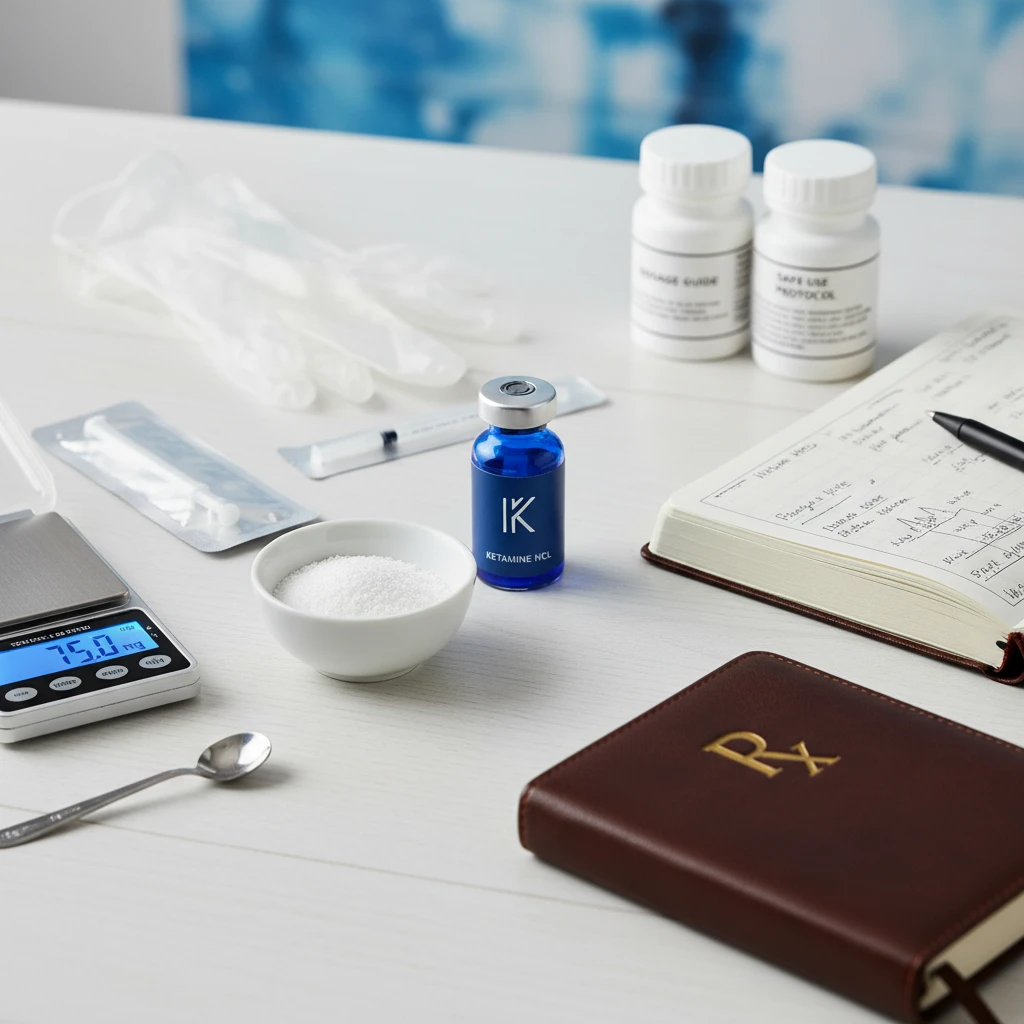
Navigating the complexities of purchasing and using ketamine requires a commitment to knowledge and safety. This article delves into the critical aspects of understanding ketamine, its evolving role, and the meticulous approach needed for accurate dosing, empowering you to make informed choices.
Understanding Ketamine: Beyond Recreational Use in 2026
The Evolving Landscape of Ketamine Exploration
The perception of ketamine is undergoing a significant transformation. While historically recognized as an anesthetic, and unfortunately, often misused recreationally, 2026 finds it at the forefront of novel therapeutic approaches. This shift is driven by a growing body of evidence highlighting its effectiveness in treating conditions such as severe depression, PTSD, and chronic pain. The exploration is no longer confined to clinical settings; a broader audience is seeking to understand its potential for personal growth and enhanced well-being. This evolving landscape demands a more sophisticated understanding, moving beyond simplistic classifications to appreciate its complex psychopharmacology and the varied experiences it can facilitate. Responsible exploration requires detailed knowledge, emphasizing the difference between recreational misuse and intentional, informed use for therapeutic or introspective purposes.
Therapeutic Potential and Current Research Trends
Current research is continuously unveiling the remarkable therapeutic potential of ketamine. Beyond its well-established role in anesthesia, studies are increasingly focusing on its rapid antidepressant effects, often observed within hours of administration. This rapid action is thought to be linked to its ability to modulate glutamate neurotransmission and promote synaptogenesis, essentially helping to repair damaged neural connections. Emerging trends include its use in carefully controlled therapeutic settings for patients with treatment-resistant depression and suicidal ideation. Research is also investigating its efficacy for anxiety disorders, obsessive-compulsive disorder (OCD), and even addiction recovery. As more data emerges, particularly regarding long-term effects and optimal treatment protocols, the medical and psychological communities are actively integrating ketamine into a wider range of treatment plans. For those interested in the broader spectrum of mind-altering substances, exploring related compounds like those found in rare psychoactive plants Canada revealed offers further avenues for understanding consciousness. The scientific community continues to explore its mechanisms, paving the way for more targeted and effective applications.
The Criticality of Precise Ketamine Dosing
Why ‘A Little Goes a Long Way’
Ketamine is a potent substance, and understanding its dosage is absolutely paramount for a safe and beneficial experience. The phrase ‘a little goes a long way’ is particularly apt here. Even small deviations from an appropriate dose can drastically alter the experience, potentially leading to discomfort, dissociation that feels overwhelming, or reduced therapeutic benefit. In 2026, the focus is on precision, recognizing that ketamine’s effects are highly dose-dependent, influencing the depth of dissociative states and the intensity of its subjective impact. This sensitivity means that meticulous measurement and adherence to recommended dosages are non-negotiable. Unlike some substances where a wider margin of error exists, with ketamine, an incorrectly measured dose can shift an introspective journey into an experience of profound disorientation, undermining the intended goals of personal growth or therapeutic exploration. It is essential to consult with knowledgeable sources and understand the specific concentration of the product you are using before any administration.
Factors Influencing Individual Dosage Response (Weight, Tolerance, Set & Setting)
Determining the correct ketamine dosage involves more than just consulting a general guideline; it requires a personalized approach. Individual response can vary significantly based on several key factors. Body weight is a primary consideration, often necessitating a calculation based on milligrams per kilogram (mg/kg) to ensure consistent dosing across different individuals. Equally important is the concept of tolerance. Individuals who have previously used ketamine, even for therapeutic purposes, may develop a tolerance, requiring a slightly higher dose to achieve similar effects. However, this must be balanced carefully to avoid excessive dissociation. Crucially, the psychological context, known as ‘set and setting’, plays an enormous role. Your mindset going into the experience (set) and your physical environment (setting) can profoundly influence how you perceive and process the effects of the substance. A calm, supportive setting and a positive, open mindset can lead to a more beneficial experience, even with a standard dose. Conversely, anxiety or a chaotic environment can amplify feelings of unease. For comprehensive guidance on preparing for such experiences, resources on psychedelics: responsible use guide 2026 offer valuable insights.
Establishing Your Starting Point: Microdosing vs. Therapeutic Doses
Microdosing for Subtle Shifts: Expected Effects and Benefits
Microdosing ketamine involves administering sub-perceptual doses, typically far below those that induce significant psychoactive or dissociative effects. The goal here is not to enter an altered state but to achieve subtle, cumulative changes. Users often report enhanced creativity, improved mood, increased focus, and a greater sense of well-being without any overt psychedelic sensations. It’s akin to nudging the brain’s neurochemistry in beneficial directions, supporting a more positive outlook and better cognitive function throughout the day. The key is that these effects are so subtle they are often not consciously noticed during the act of dosing itself, but rather become apparent over time through consistent practice. This approach is particularly appealing for individuals seeking to integrate enhanced mental clarity and emotional balance into their daily lives without disrupting their normal routines. The intention behind microdosing is often to foster long-term resilience and a more positive internal landscape.
Therapeutic Dosing Ranges: Exploring Deeper States for Personal Growth
Therapeutic doses of ketamine are designed to induce more profound subjective experiences, facilitating deep introspection and emotional processing. These ranges are significantly higher than microdoses but are still carefully managed to remain below levels that would cause complete incapacitation or an overwhelming anesthetic effect. At these doses, individuals may experience altered perceptions, a sense of detachment from their usual self, and access to deeply buried memories or emotions. The purpose is to create a unique psychological space where patterns of thought and behavior can be examined and potentially reframed. This can be immensely beneficial for addressing long-standing psychological issues, fostering personal growth, and achieving breakthroughs in self-understanding. It’s crucial that these sessions are conducted with proper preparation, intention, and ideally, support from experienced guides or therapists, especially when exploring deeper states. For individuals considering a range of potent substances, understanding the nuances between different compounds, such as those found in rare plants Canada: explore psychedelic, is also part of a broader educational journey.
Navigating Dissociative Anesthesia Thresholds Safely
Understanding the threshold of ketamine’s dissociative anesthetic effects is critical for anyone considering its use. This threshold represents the point at which the substance significantly alters one’s perception of reality and physical connection to their surroundings, potentially leading to a state where motor control and awareness are severely impaired. While therapeutic doses aim to utilize moderate dissociation for psychological exploration, exceeding this threshold can lead to intense and potentially frightening experiences, sometimes referred to as the ‘K-hole’. Safely navigating this is paramount. It involves meticulous adherence to well-researched dosage guidelines, understanding your own sensitivity, and ensuring a secure, supportive environment. Never attempt to approach or exceed this threshold without expert guidance and a comprehensive safety plan. For individuals seeking to purchase ketamine, understanding the product’s purity and concentration is the first step in accurately managing dosage and avoiding accidental overdose. Always prioritize reliable sources that provide detailed product information, akin to the thoroughness offered for other substances like those found within rare botanicals: unique psychoactive discoveries.
Key Metrics for Accurate Ketamine Dosage Calculation
Understanding Milligrams (mg) and Ketamine Concentration
Accurately calculating ketamine dosage hinges on understanding two fundamental metrics: the total milligrams (mg) of the active substance and its concentration. Ketamine is typically sold in solutions, often measured in milligrams per milliliter (mg/mL). For instance, a vial might contain 1000 mg of ketamine dispersed in 10 mL of solution, resulting in a concentration of 100 mg/mL. Without knowing this concentration, simply measuring a volume (like 1 mL) is insufficient and potentially dangerous, as it could contain a widely varying amount of the active compound. Always verify the concentration provided by your supplier. This metric is essential for accurate dosing, whether you intend to microdose or administer a therapeutic amount. Misinterpreting concentration can lead to accidentally taking a dose that is significantly higher or lower than intended, impacting the safety and efficacy of the experience. Reliable sources, such as those providing detailed information for products like purchase ketamine online now, will always specify the concentration.
Calculating Dosage by Body Weight (mg/kg approach)
The most common and scientifically grounded method for calculating ketamine dosage, especially for therapeutic and anesthetic purposes, is the milligrams per kilogram (mg/kg) approach. This method standardizes dosing based on an individual’s body mass, ensuring a more consistent and predictable response. To calculate your target dose, you first need to know your weight in kilograms. If your weight is in pounds, divide it by 2.205. Then, multiply your weight in kilograms by the desired dosage per kilogram, which is typically a range found in reputable research or provided by a qualified medical professional. For example, if a recommended therapeutic dose is 0.5 mg/kg and you weigh 70 kg, your target dose would be 35 mg (0.5 mg/kg * 70 kg). This calculation is foundational for safety, preventing under- or overdosing and is a critical step before purchasing or administering any ketamine product. Understanding this metric is as vital as knowing where to find high-quality substances, such as those available through purchase ketamine online safely.
The Role of Purity and Potency in Your Purchase
When you purchase ketamine online, the purity and potency of the product are paramount determinants of both its effectiveness and safety. High-quality ketamine should be reliably potent and free from contaminants or adulterants, which can significantly alter its effects, introduce unpredictable side effects, or even pose serious health risks. Potency refers to the concentration of ketamine within the substance – a more potent product means a smaller amount delivers a stronger effect. Purity, on the other hand, ensures that what you are consuming is indeed ketamine and nothing else. Reputable vendors will provide clear specifications regarding the purity of their products, often through third-party lab testing. Always prioritize suppliers who are transparent about their sourcing and testing procedures. This diligence is not merely about maximizing desired effects but is a crucial safety measure, ensuring you are not unknowingly exposed to harmful substances. For those exploring various substances, understanding purity standards for products like order LSD online Canada: expert guide, also involves scrutinizing their quality and origin.
Practical Dosage Guidelines for First-Time Users
Embarking on your first ketamine experience requires a meticulous approach to dosage, prioritizing safety and a gentle introduction to its effects. For novices, the goal is typically to achieve a mild dissociative state, often referred to as the “ketamine lean” or a subtle detachment, rather than profound exploration. This can facilitate introspection and a novel perspective on one’s thoughts and feelings. The journey begins with a low initial dose, typically ranging from 15-30 mg for individuals weighing around 150 lbs. This baseline can be adjusted by approximately 1 mg per 5 lbs of body weight, but always err on the side of caution. For instance, someone weighing 200 lbs might start with 20-40 mg. It is crucial to understand that individual sensitivity can vary significantly due to metabolism, body composition, and even recent food intake. Therefore, the initial dose serves as a calibration point. Ensure you have sourced your ketamine from a reputable provider to guarantee purity and accurate concentration, as inconsistent potency can lead to unpredictable outcomes. Consulting detailed guides on responsible use, like those found on psychedelic resources, can offer further context on setting intentions and preparing for the experience.
A Step-by-Step Approach to a First Dose
Initiating a ketamine session with a low dose involves careful preparation and execution. Begin by weighing yourself accurately to ensure precise calculations. Determine your starting dose based on the general guideline (e.g., 20-30 mg). Measure your chosen dose meticulously using a milligram scale, especially if you are working with powdered forms. It is highly recommended to take this dose in a safe, comfortable, and familiar environment where you feel secure and undisturbed. Have a trusted sitter present, someone sober who can offer support and ensure your well-being throughout the experience. Avoid consuming heavy meals for at least 3-4 hours prior, as digestion can influence absorption and duration. Hydration is key, so have water readily available. Once you have consumed the dose, lie down in a comfortable position, close your eyes, and allow the substance to take effect. Do not attempt to move around or engage in complex activities. The focus should be on surrender and observation of your internal landscape. This structured approach minimizes potential anxiety and maximizes the chances of a positive, introspective experience.
What to Expect at Lower Therapeutic Doses (e.g., 20-50 mg)
At the lower end of the therapeutic spectrum, typically between 20-50 mg for an average adult, the effects of ketamine are generally mild and manageable. You might experience a pleasant body high, characterized by a sense of heaviness or lightness, and a slight detachment from your physical surroundings. A feeling of floating or a “ketamine lean,” where your limbs may feel heavy and less coordinated, is common. Cognitively, you may notice a subtle shift in perception, with colors appearing more vivid or sounds seeming more distinct. Thoughts might flow more freely, and a sense of calm or introspection can arise. Emotional responses can be amplified; you might feel a sense of wonder, peace, or even gentle euphoria. It’s important to note that full dissociation is unlikely at these doses. The primary aim is to facilitate a gentle shift in consciousness, allowing for a brief period of relaxation and potentially novel insights without overwhelming sensory or cognitive disruption. These doses are often used in clinical settings for their antidepressant properties, aiming to induce a positive mood shift and reduce anxiety.
Recognizing the Signs of an Appropriate Dose
Identifying an appropriate dose is often a subjective process, but certain indicators can help you gauge if you’ve found the right balance. A key sign of an effective, yet manageable, dose is a noticeable shift in your internal state without a complete loss of self-awareness or control. You should feel a sense of detachment from your typical worries and a heightened awareness of your thoughts and emotions. A mild “buzz” or a feeling of pleasant heaviness in the limbs is common. You might experience some visual or auditory distortions, such as colors seeming brighter or sounds having a richer quality, but these should not be disorienting. The “ketamine lean” might be present, making it difficult to stand or walk steadily, which is a cue to remain seated or lying down. Crucially, you should still be able to communicate coherently with a sitter if needed and retain a sense of your personal identity, even if it feels temporarily altered. If you feel anxious, overwhelmed, or completely lose touch with reality, your dose may have been too high for your first experience.
Advanced Dosing Strategies for Experienced Explorers
For those who have developed a solid understanding of ketamine’s effects at lower doses, advanced strategies can unlock deeper levels of exploration. This involves a more nuanced approach to increasing dosage and understanding the potential for more profound experiences, including the “k-hole.” It is paramount that experienced users continue to prioritize safety and responsible practice. This means meticulously tracking previous doses, their effects, and the duration of the experience to inform future adjustments. Always ensure you are in a conducive environment with a trusted sitter, even if you are experienced. Never underestimate ketamine’s power to induce unexpected states. Advanced exploration is not about chasing intensity but about guided self-discovery. This might involve setting specific intentions for the session, utilizing music or guided meditations, and carefully integrating the insights gained. Resources for further understanding psychedelic experiences and their integration, such as comprehensive guides on responsible use, can be invaluable at this stage, helping to frame the context of deeper exploration.
Gradually Increasing Dosage: Best Practices
Incrementally increasing ketamine dosage is a hallmark of responsible advancement in its use. The core principle is to make small, controlled adjustments to your dose, allowing ample time to observe the effects of each change before considering another increase. A common practice is to increase the dose by 10-20 mg for subsequent experiences, rather than making drastic leaps. For example, if a 50 mg dose yielded a mild dissociative effect with clear cognitive engagement, the next session might explore 60-70 mg. It is vital to wait at least a week, preferably longer, between sessions involving dose increases. This allows your mind and body sufficient time to recover and integrate the previous experience. Before each session, review your notes from previous experiences. What did you enjoy? What were the limits? What were your intentions? This reflective process guides the incremental increase. Ensure your source of ketamine remains consistent and verified, as variations in purity can invalidate your careful dose progression.
Understanding the ‘K-hole’ and How to Approach or Avoid It
The ‘k-hole,’ or ketamine coma, is a state of profound dissociation characterized by a complete detachment from reality, the body, and external stimuli. It is often described as an out-of-body experience, a journey through abstract dimensions, or a complete loss of ego. For some, this state can be intensely therapeutic, leading to profound insights and ego dissolution, while for others, it can be terrifying and disorienting. Approaching the k-hole intentionally requires significant experience, a deep understanding of your own psychological landscape, and an unwavering trust in your sitter and setting. Dosages that typically induce a k-hole are significantly higher, often exceeding 100-150 mg for an average adult, but this varies greatly. To avoid the k-hole, strictly adhere to lower therapeutic doses and avoid rapid dose increases. If you find yourself entering this state unintentionally and feeling overwhelmed, the best strategy is to surrender, remind yourself that it is temporary, and focus on your breath. A skilled sitter can offer verbal reassurance. Prioritize safety above all else, and if you are unsure about your readiness, it is always better to avoid this intense state.
Interdosing Intervals: Allowing for Recovery and Integration
The period between ketamine sessions is as critical as the sessions themselves, especially when exploring higher doses or deeper states. This time is essential for both physiological recovery and psychological integration. Experts generally recommend waiting a minimum of one to two weeks between experiences, but for more intense explorations or if you are increasing dosage, longer intervals of three to four weeks or even more are advisable. Frequent use, even at lower doses, can lead to tolerance and diminishing returns, while also increasing the risk of bladder issues and mental health complications. During the interdosing interval, focus on processing the insights and emotions that arose during your previous session. Journaling, meditation, creative expression, or talking with a therapist can be incredibly beneficial. This integration period allows the lessons and perspectives gained to become a part of your conscious understanding, rather than remaining fleeting experiences. Rushing this process can undermine the therapeutic potential of ketamine.
Ketamine Dosage in Different Forms: Nasal Sprays vs. Powders
When considering purchasing ketamine online, understanding the various forms available and their implications for dosage is crucial. The two most common forms encountered are nasal sprays and powders. Each has distinct advantages and disadvantages regarding accuracy, ease of use, and onset of effects. Nasal sprays, often found in medical or controlled settings, typically offer a more standardized and pre-measured dose per spray, making them potentially more convenient and less prone to user error in measurement. Powdered ketamine, on the other hand, requires precise weighing with a milligram scale for accurate dosing, offering greater flexibility for microdosing or precise titration but carrying a higher risk of miscalculation. The purity and concentration of the substance are paramount regardless of the form, emphasizing the need for reputable sources. Choosing between forms often depends on user experience, available equipment, and personal preference for control versus convenience.
Dispensing Accuracy with Nasal Sprays
Ketamine nasal sprays, particularly those used in a medical context, are designed with a focus on precision and consistency in dosage. Each actuation of the spray mechanism is calibrated to deliver a specific milligram amount of ketamine, ensuring that users receive the intended dose with a high degree of reliability. This standardization is a significant advantage, especially for individuals new to ketamine or those seeking predictable outcomes. When using a nasal spray, it’s essential to follow the manufacturer’s instructions carefully regarding the number of sprays per nostril and the timing between sprays. While generally more accurate than weighing powders for the untrained user, it’s still important to be aware that factors like nasal congestion or incorrect spray technique can subtly affect absorption. For those prioritizing ease of use and a reduced margin for measurement error, ketamine nasal sprays offer a distinct benefit. Always verify the concentration indicated on the product packaging before use.
Handling and Measuring Powdered Ketamine: Tools and Techniques
Working with powdered ketamine necessitates a commitment to precision and careful methodology to ensure safe and effective dosing. The most critical tool for this form is a high-quality milligram scale, capable of measuring down to 1 mg increments. Without such a scale, accurate dosing becomes nearly impossible, significantly increasing the risk of taking too much or too little. Before measuring, ensure the scale is calibrated and placed on a stable, vibration-free surface. Use a clean, non-reactive weighing boat or piece of paper. Gently tap or scoop the powder onto the scale until your desired dose is reached. For very small doses, it may be helpful to mix the ketamine powder with an inert filler like microcrystalline cellulose or lactose, but this introduces another variable that requires careful calculation and even distribution. Consistency in technique is paramount. It is also advisable to store powdered ketamine in an airtight, light-resistant container in a cool, dry place to maintain its potency and prevent degradation.
Comparing Absorption Rates and Onset Times
The method of administration significantly influences how quickly ketamine enters the bloodstream and how soon its effects are felt. Intramuscular (IM) injections, while less common for recreational use, offer the fastest onset, typically within minutes, and a strong, rapid peak. Nasal sprays provide a relatively quick absorption; effects are usually noticeable within 5 to 15 minutes, with a peak concentration reached around 20-30 minutes. This speed is due to the nasal mucosa’s rich blood supply. Oral ingestion, while not a typical form of ketamine use, results in the slowest onset and most variable absorption due to first-pass metabolism in the liver, often taking 30 to 60 minutes or longer to feel effects, with lower bioavailability. For powdered ketamine, if insufflated (snorted), onset is typically within 5 to 10 minutes, similar to nasal sprays, but the experience can be more intense and less predictable due to absorption variations. Understanding these differences is key to managing expectations and ensuring a safe experience, particularly when preparing for your first use or exploring different consumption methods.
Critical Safety Considerations Beyond Dosage
While precise dosing is a cornerstone of safe ketamine use, numerous other factors contribute to a secure and positive experience. Neglecting these aspects can lead to adverse outcomes, regardless of how carefully a dose was measured. Paramount among these is the concept of set and setting – the individual’s mental state and the physical environment in which the substance is taken. A calm, prepared mindset and a safe, comfortable, and supportive environment are non-negotiable for minimizing anxiety and maximizing beneficial effects. Furthermore, knowledge of potential interactions with other substances is vital. Combining ketamine with certain medications or recreational drugs can lead to dangerous synergistic effects or unpredictable reactions. Lastly, recognizing personal contraindications is crucial for self-preservation. Certain pre-existing health conditions can make ketamine use risky, necessitating careful consultation and informed decision-making. These elements collectively form the foundation of responsible exploration.
The Importance of Set and Setting: Mental and Physical Preparation
The psychological and physical environment surrounding a ketamine experience plays an instrumental role in its safety and outcome. Mental preparation (set) involves cultivating a clear intention for the experience, whether it’s for introspection, healing, or exploration. It means approaching the session with curiosity and acceptance rather than fear or high expectations. Ensuring you are in a stable emotional state, free from acute anxiety or distress, is also part of good set. Physical preparation (setting) involves creating a safe, comfortable, and predictable space. This means choosing a location where you will not be interrupted or disturbed, ensuring adequate lighting (or complete darkness if preferred), and having comfortable seating or bedding. Having a sober, trusted sitter present who is aware of your intentions and can provide support is a critical component of setting. Minimizing potential stressors, such as loud noises or unfamiliar surroundings, further enhances the safety and positive potential of the experience.
Interactions with Other Substances: What to Avoid
Combining ketamine with other psychoactive substances can produce unpredictable and potentially dangerous synergistic effects. It is critically important to avoid concurrent use with central nervous system depressants, such as alcohol, benzodiazepines (e.g., Xanax, Valium), and opioids. These combinations can dangerously enhance respiratory depression, leading to a high risk of overdose. Stimulants like amphetamines or cocaine should also be used with extreme caution, as they can increase heart rate and blood pressure to unsafe levels when combined with ketamine, potentially leading to cardiovascular complications. Furthermore, mixing ketamine with other psychedelics, such as LSD or psilocybin, can lead to intensely unpredictable psychological states, potentially causing extreme disorientation, anxiety, and prolonged confusion. Always inform any healthcare provider or sitter about all substances you have recently consumed. Prioritizing a clean slate is the safest approach for any ketamine exploration.
Recognizing Contraindications and When Not to Use
While ketamine can offer therapeutic benefits, it is not suitable for everyone, and certain conditions represent significant contraindications. Individuals with a history of or active psychosis, schizophrenia, or bipolar disorder with manic episodes should generally avoid ketamine, as it can exacerbate these conditions. Similarly, those with uncontrolled hypertension or significant cardiovascular disease should exercise extreme caution or abstain due to ketamine’s potential to increase heart rate and blood pressure. Active substance use disorder (beyond the intended therapeutic use of ketamine itself in a supervised context) can also be a contraindication, as it may lead to misuse or dependence. Pregnant or breastfeeding individuals should also avoid ketamine. It is always advisable to consult with a healthcare professional, especially if you have any pre-existing medical or mental health conditions, before considering ketamine use. Disregarding these contraindications can lead to serious health risks and adverse psychological outcomes.
Identifying Reputable Sources for Purchasing Ketamine in Canada
When seeking to purchase ketamine online in Canada, discerning reliable distributors from fraudulent ones is paramount. The landscape of online substance procurement can be complex, and prioritizing safety and authenticity should be your primary concern. A reputable source will always demonstrate transparency regarding their product origins, testing procedures, and adherence to quality standards. Look for businesses that provide detailed product specifications, including purity levels and recommended storage conditions. Understanding the legal framework surrounding the acquisition of such substances in Canada is also crucial, though specific legal advice is beyond the scope of this guide. Always be wary of sellers who make exaggerated claims or offer prices that seem too good to be true, as these are often indicators of counterfeit or substandard products.
What to Look for in a Trusted Online Distributor
A trusted online distributor for ketamine in Canada will exhibit several key characteristics. Firstly, they should possess a professional and informative website that clearly outlines their product offerings, company policies, and customer service channels. Clear contact information, including a physical address (if applicable) and customer support email or phone number, is a good sign. They should also have robust security measures in place to protect your personal and financial information during transactions. Reviews and testimonials from other customers, while not always definitive, can offer valuable insights into a distributor’s reliability and product quality. Furthermore, a reputable vendor will typically provide detailed FAQs and educational resources about the products they sell, demonstrating a commitment to informed consumer use.
Signs of Quality and Authenticity in Product Offerings
Assessing the quality and authenticity of ketamine purchased online requires attention to detail. Reputable vendors will often provide batch-specific certificates of analysis (COAs) or independent laboratory testing results, verifying the purity and concentration of their product. Visual inspection of the product upon arrival can also offer clues; pharmaceutical-grade ketamine typically appears as a white crystalline powder or clear liquid, depending on its formulation. Be cautious of any unusual colours, odours, or textures. Understanding the expected physical properties of ketamine, as outlined by reliable scientific or medical resources, is vital. Authentic products should align with these descriptions, and any deviation warrants further investigation or avoidance of the source.
Discreet Shipping and Secure Ordering Practices
Discretion in shipping and security in ordering are non-negotiable when purchasing sensitive items like ketamine online. A reputable Canadian distributor will employ discreet packaging that conceals the contents, with no outward markings indicating the nature of the product. This ensures privacy and security throughout the delivery process. Secure ordering practices involve encrypted websites (look for ‘https’ in the URL and a padlock icon) and multiple secure payment options. They should also have clear policies regarding order tracking and shipping timelines. Understanding the shipping policies, including any potential delays or customs procedures for international orders, is important. A company committed to customer privacy will openly address these concerns on their platform.
Integrating Your Ketamine Experience: Post-Dose Considerations
The journey with ketamine, whether for therapeutic, spiritual, or exploratory purposes, extends beyond the peak of the experience. Effective integration is crucial for translating the insights and emotional shifts experienced during a session into lasting positive changes in one’s life. This phase involves actively processing the subjective material encountered, making sense of novel perspectives, and applying any newfound understanding to daily routines and challenges. Neglecting integration can diminish the potential benefits, leaving individuals with fleeting impressions rather than sustainable personal growth. Prioritizing this post-dose period ensures that the investment in the experience yields meaningful and enduring results.
Mindfulness and Journaling for Insight Capture
Following a ketamine session, engaging in mindfulness and journaling provides a structured approach to capturing and understanding the insights gained. Mindfulness techniques, such as deep breathing or gentle body scans, can help ground you and bring awareness to your current state, allowing for a more objective reflection of your experiences. Journaling serves as a direct conduit for recording thoughts, emotions, visions, and any epiphanies that surfaced during the dose. Don’t censor your thoughts; write freely about even the most abstract or fleeting impressions. This practice helps to solidify these transient experiences into tangible notes that can be revisited and analyzed over time, revealing patterns and deeper meanings.
Grounding Techniques After Your Session
After the peak effects of ketamine begin to subside, employing grounding techniques is essential for a smooth transition back into everyday consciousness. These techniques help to reconnect you with your physical body and the present reality, mitigating any lingering feelings of disorientation or dissociation. Simple practices like focusing on your breath, feeling your feet on the ground, or gently touching your surroundings can be very effective. Engaging in light physical activity, such as a slow walk in nature or gentle stretching, can also aid in this process. Consuming nourishing food and hydration are also vital grounding elements, supporting physical recovery and well-being.
The Role of Integration in Maximizing Benefits
The true value of a ketamine experience is often realized through diligent integration. This process transforms the raw material of the psychedelic journey into actionable wisdom and lasting personal growth. Integration is not a passive event but an active engagement with the insights derived, which may involve exploring new behaviors, challenging old beliefs, or fostering deeper self-compassion. It’s about weaving the threads of the experience into the fabric of your daily life. Seeking support from a therapist experienced in psychedelic integration or engaging in discussions with trusted peers can further enhance this process, providing different perspectives and reinforcing the transformative potential of the experience. This comprehensive approach ensures that the benefits of your ketamine journey are not just temporary but contribute to sustained psychological and emotional well-being.
Leave a Reply