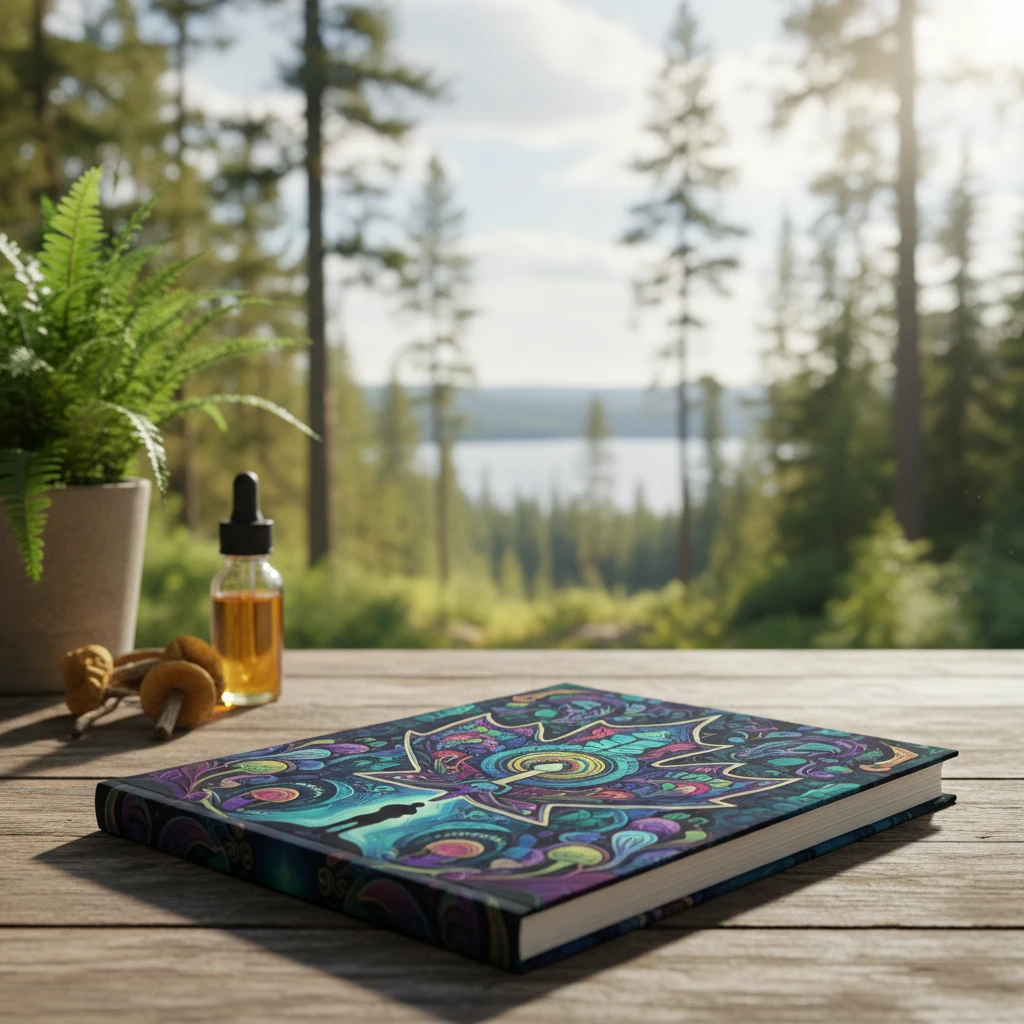
The world of psychedelics is rapidly evolving, especially in Canada, where a growing interest in their potential benefits is sparking both curiosity and conversations. This guide aims to provide Canadians with a comprehensive and responsible introduction to psychedelics, covering everything from their history and effects to legality and sourcing. We will delve into key substances, providing insights to help you navigate this complex landscape with informed decisions.
Please note that this guide is for informational purposes only and does not constitute medical advice. Always consult with a healthcare professional before considering psychedelic use. Furthermore, it is essential to stay informed about the changing legal landscape and adhere to all applicable laws and regulations.
Unlocking the Doors of Perception: A Canadian’s Journey into Psychedelics (2026)
Acknowledge the growing interest and changing attitudes towards psychedelics in Canada.
Canada is experiencing a significant shift in attitudes towards psychedelics. Once relegated to the fringes of society, these substances are now being explored for their potential therapeutic benefits in treating conditions like depression, anxiety, and PTSD. This newfound interest is fuelled by scientific research and anecdotal evidence suggesting promising outcomes. The evolving dialogue around psychedelics is also driven by increased awareness of mental health and a search for alternative treatment options. Consequently, discussions about the responsible and regulated use of substances like psilocybin and ketamine are becoming more commonplace, with some provinces even exploring decriminalization or regulated access models.
Briefly touch on the historical and cultural context of psychedelic use.
Psychedelics have a rich and varied history spanning millennia, with indigenous cultures around the world utilizing them for spiritual, healing, and ceremonial purposes. From the use of ayahuasca in the Amazon to the ritualistic consumption of peyote by Native American tribes, these substances have played a central role in shaping cultural practices and belief systems. In the mid-20th century, psychedelics like LSD entered mainstream Western culture, initially sparking scientific inquiry but later becoming associated with counter-cultural movements. While research was largely halted for several decades, recent years have witnessed a resurgence of interest in the potential of psychedelics to treat mental health conditions and foster personal growth. Understanding this historical context is crucial for appreciating the complex relationship between psychedelics, culture, and human consciousness.
Reiterate the importance of responsible and informed exploration.
As interest in psychedelics grows, responsible and informed exploration is paramount. This involves educating oneself about the potential risks and benefits of each substance, understanding the importance of set and setting (your mindset and environment), and being aware of the legal implications in Canada. It also entails approaching psychedelics with respect and intention, recognizing their potential to induce profound psychological experiences. Moreover, individuals should prioritize their safety and well-being by ensuring they have a trusted trip sitter present and readily available support in case of challenging experiences. Prioritizing safety means choosing a reputable source. Responsible exploration also includes harm reduction practices such as starting with low doses, avoiding mixing substances, and never operating heavy machinery under the influence.
Understanding the Psychedelic Landscape: Common Substances in Canada
Magic Mushrooms (Psilocybin): Effects, dosage, and potential benefits.
Magic mushrooms, containing the psychoactive compound psilocybin, induce altered states of consciousness characterized by visual and auditory hallucinations, changes in perception, and profound emotional experiences. The effects of psilocybin vary depending on dosage, individual sensitivity, and set and setting. Common dosages range from microdoses (0.1-0.3 grams) to moderate doses (1-3 grams) and high doses (3+ grams). Potential benefits include reduced anxiety and depression, increased creativity, and enhanced spiritual insights. However, it’s crucial to be aware of potential risks such as anxiety, paranoia, and panic attacks, particularly in individuals with a history of mental health issues. Users can order magic mushrooms safely by following several important steps. Proper preparation, a safe environment, and a trusted trip sitter are essential for a positive experience. Always start with a low dose to assess individual sensitivity.
LSD (Lysergic Acid Diethylamide): History, effects, and considerations for safe use.
LSD is a potent synthetic psychedelic known for producing intense visual and auditory hallucinations, altered perceptions of time and space, and profound psychological insights. The history of LSD dates back to its discovery in 1938, followed by its exploration in psychotherapy and its subsequent association with counter-cultural movements. The effects of LSD typically last for 8-12 hours, and its intensity can vary significantly depending on dosage, individual sensitivity, and set and setting. Considerations for safe use include starting with a low dose (typically 50-150 micrograms), ensuring a safe and supportive environment, and having a trusted trip sitter present. Potential risks include anxiety, paranoia, and, in rare cases, persistent perceptual disturbances. Educating yourself on legalities and safe use of LSD is vital for users considering this substance.
DMT (Dimethyltryptamine): Brief overview of its unique properties and methods of consumption (e.g., Ayahuasca analogs).
DMT (Dimethyltryptamine) is a naturally occurring psychedelic compound known for its rapid onset and short duration of action. Often referred to as the “spirit molecule,” DMT produces intense visual and auditory hallucinations, profound altered states of consciousness, and experiences of ego dissolution. It can be consumed through various methods, including smoking, vaporizing, or ingesting it in the form of Ayahuasca or its analogs. Ayahuasca is a traditional South American brew that combines DMT-containing plants with MAO inhibitors, prolonging and intensifying the effects of DMT. Due to the intensity and potential psychological impact of DMT experiences, it is crucial to approach it with respect, intention, and proper preparation. You can buy DMT Canada with an understanding of its use and potential effects.
Ketamine: Exploring its therapeutic applications and potential risks.
Ketamine is a dissociative anesthetic that has gained recognition for its therapeutic applications in treating depression, anxiety, and PTSD. It works by affecting the NMDA receptors in the brain, leading to changes in consciousness, perception, and mood. While ketamine can provide rapid relief from symptoms of depression, it is crucial to understand its potential risks and limitations. Side effects can include nausea, dizziness, and elevated blood pressure. Long-term or recreational use of ketamine can lead to cognitive impairment and bladder damage. Ketamine-assisted therapy, administered by qualified healthcare professionals, is considered the safest and most effective way to utilize ketamine for mental health treatment. Users should carefully consider ketamine’s potential benefits and safe usage. Explore ketamine dosages and effects thoroughly.
Navigating Legality: What’s Permissible in Canada in 2026?
Explain the current legal status of each substance mentioned above at the federal and provincial levels. Highlight any recent changes or ongoing debates.
As of 2026, the legal landscape surrounding psychedelics in Canada remains complex and varies depending on the substance and jurisdiction. Federally, psilocybin, LSD, and DMT are classified as controlled substances under the Controlled Drugs and Substances Act, making their possession, production, and distribution illegal without authorization. However, there have been some notable exceptions. For instance, some patients have been granted exemptions under Section 56(1) of the Act to legally access psilocybin for therapeutic purposes. Ketamine, while also regulated, has broader legal use as a prescription medication for anesthesia and certain mental health treatments. Several provinces are actively debating or exploring potential changes to their drug policies, including decriminalization models or regulated access programs for certain psychedelics. It is crucial to stay informed about the latest legal developments as they continue to evolve.
Microdosing vs. Macrodosing: Legal implications of each.
The legal implications of microdosing versus macrodosing psychedelics are largely the same in Canada, as both typically involve the possession of controlled substances. Microdosing, which involves taking sub-perceptual doses of psychedelics like psilocybin or LSD, does not exempt individuals from legal repercussions. Similarly, macrodosing, which involves taking larger, more psychoactive doses, is also illegal without proper authorization. While there may be arguments about the relative harm of microdosing compared to macrodosing, current laws do not differentiate between the two in terms of legality. However, it is conceivable that future legal reforms may consider dosage levels when determining penalties or regulations.
The grey areas of personal cultivation and possession.
While the production and distribution of psychedelics are explicitly illegal in Canada, there exist certain “grey areas” concerning personal cultivation and possession. For example, growing a small number of psilocybin mushrooms for personal use has sometimes been treated with more leniency by law enforcement, particularly if there is no evidence of intent to distribute. However, this is not a legal loophole, and individuals can still face charges for cultivation or possession, even if it is for personal use. The specific enforcement practices can vary depending on the province and the discretion of law enforcement officials. It is important to remember that these grey areas do not provide legal protection and that engaging in such activities carries significant risks.
Sourcing Psychedelics Responsibly in Canada: What to Look For
The importance of choosing reputable sources to avoid contaminated or misrepresented products. Briefly mention canadabotanals.com as a source.
When considering the use of psychedelics, choosing reputable sources is of utmost importance. The unregulated nature of the psychedelic market can lead to contaminated or misrepresented products, posing significant risks to your health and safety. Illegally produced substances may contain unknown adulterants or be inaccurately dosed, increasing the likelihood of adverse effects. Reputable sources prioritize product quality, transparency, and safety testing. CanadaBotanals.com is committed to providing high-quality, tested psychedelic substances and rare herbal psychoactive plants with detailed product information and usage guidelines to ensure informed and responsible use.
Testing your substances: Why and how to use testing kits to ensure purity and identify.
Testing your substances is a crucial step in harm reduction, allowing you to verify the purity and identity of what you are consuming. Testing kits can detect the presence of adulterants, contaminants, or misrepresented substances, helping you make informed decisions about dosage and potential risks. These kits typically involve using reagent chemicals that react with different substances, producing distinct color changes that can be compared to a color chart. While testing kits cannot determine the exact quantity of a substance, they can provide valuable information about its composition. It is important to follow the instructions carefully when using testing kits and to interpret the results cautiously. Several online retailers and harm reduction organizations offer testing kits for various psychedelics. Testing is an essential element of a commitment to safe practices.
Differentiating between research chemicals and naturally derived psychedelics.
It’s crucial to differentiate between research chemicals and naturally derived psychedelics due to their varying effects, risks, and legal statuses. Research chemicals, also known as novel psychoactive substances (NPS), are synthetic compounds designed to mimic the effects of traditional psychedelics but often with unpredictable consequences. These substances may not have been thoroughly studied, and their long-term effects are largely unknown. Naturally derived psychedelics, such as psilocybin from magic mushrooms or DMT from certain plants, have a longer history of use and a more established understanding of their effects. While both types of substances carry risks, research chemicals often pose a greater danger due to their unknown potency and potential for unexpected adverse reactions. Prioritizing naturally derived psychedelics from reputable sources reduces risk. Explore rare psychoactive plants and their origins. Always research any substance thoroughly before consumption.
Legality and Responsible Use
The legal status of psychedelics varies widely depending on the substance and location. Many psychedelics are classified as controlled substances, and their possession, sale, or use may be subject to criminal penalties. However, some jurisdictions have decriminalized or legalized certain psychedelics for medical or recreational use. It is essential to be aware of and comply with the laws in your area regarding psychedelics. Responsible use involves respecting these laws, as well as prioritizing your safety and well-being. This includes starting with low doses, avoiding use in risky situations, and seeking support if you experience any negative effects. Prioritize safe practices and be aware of local regulations.
The Future of Psychedelics
The field of psychedelic research is rapidly evolving, with new studies exploring the potential therapeutic benefits of these substances for various mental health conditions. As our understanding of psychedelics grows, it is likely that attitudes and policies surrounding their use will continue to change. The future of psychedelics may involve increased access to psychedelic-assisted therapy, as well as the development of new and innovative treatments for conditions such as depression, anxiety, and PTSD. Continued research, education, and advocacy are essential to ensure that psychedelics are used safely and responsibly, and that their potential benefits are realized.
Disclaimer
The information provided in this article is for educational purposes only and should not be considered medical or legal advice. Psychedelics can have powerful effects and may not be suitable for everyone. It is essential to do your own research and consult with a qualified healthcare professional before using any psychedelic substance. The author and publisher of this article are not responsible for any consequences resulting from the use or misuse of psychedelics.
Dosage Guidelines for Beginners: Finding Your Sweet Spot
Microdosing: Benefits, protocols, and examples for different substances.
Microdosing involves taking sub-perceptual doses of psychedelic substances, too small to cause significant alterations in perception. The goal is to experience subtle benefits like enhanced focus, creativity, and mood without the full psychedelic effects. Common protocols include the Fadiman protocol (one day on, two days off) and the Stamets Stack (combining psilocybin with Lion’s Mane mushroom and niacin). For example, a psilocybin microdose might be 0.1-0.3 grams of dried mushrooms. For LSD, a microdose is often in the range of 10-20 micrograms. Individual responses vary, and it’s crucial to start low and gradually increase until the desired effects are achieved. Potential benefits are often anecdotal, and further research is needed to confirm efficacy, but many report a reduction in anxiety and increased productivity. Keep a journal to track your experiences and adjust your dosage accordingly. You might also be interested in safe practices when you Order Magic Mushrooms: Safe Online Purchase Checklist.
Low-dose journeys: Suggested starting points and expected effects.
A low-dose journey aims for mild alterations in perception and mood, without overwhelming intensity. For psilocybin mushrooms, a starting dose could be 0.5-1.5 grams. With LSD, a low dose might be 25-50 micrograms. Expected effects include enhanced colors, slight visual distortions, increased introspection, and a general sense of well-being. The experience should remain manageable, allowing for comfortable engagement with your surroundings. However, even low doses can sometimes produce unexpected anxiety. Prepare by having a comfortable environment and a clear intention for your journey. For example, listening to calming music or engaging in creative activities can enhance the positive effects. It’s also important to remember that potency can vary, especially with naturally derived substances like psilocybin. As you buy LSD online in Canada, be certain that you know the dose you are taking.
Full-dose experiences: Considerations and precautions for more intense explorations.
Full-dose psychedelic experiences involve significant alterations in perception, thought, and emotion. This is not something to take lightly. For psilocybin mushrooms, a full dose could range from 2.5 grams upwards, depending on the strain and individual sensitivity. For LSD, this could be 100 micrograms or more. Such experiences can be profoundly transformative but also carry a higher risk of challenging emotions or thought patterns. Before embarking on a full-dose journey, ensure you have a strong support system in place, including a trusted trip sitter. Avoid mixing substances, including alcohol or cannabis, as this can amplify unpredictable effects. The setting should be carefully chosen to be safe, comfortable, and free from distractions. Be prepared to surrender to the experience and allow it to unfold without resistance. Afterwards, allocate time for integration to process your insights.
The importance of individual sensitivity and tolerance.
Individual sensitivity to psychedelics varies significantly based on factors like body weight, metabolism, genetics, mental state, and prior experience. Tolerance also develops rapidly with frequent use, meaning that repeated doses within a short period will produce diminished effects. It’s crucial to start with a low dose, regardless of previous experience, especially when trying a new substance or batch. Pay close attention to your body’s response and adjust subsequent doses accordingly. Some individuals are naturally more sensitive and may require significantly lower doses to achieve the desired effects. Conversely, others may have a higher tolerance and need larger doses. However, chasing a stronger effect by constantly increasing the dosage is not recommended, as it increases the risk of adverse reactions. Remember that these are powerful substances and Canada’s Guide to Buying Psychedelics Online: Safety First always suggests erring on the side of caution.
Set and Setting: Creating a Safe and Supportive Environment
The impact of mindset (set) on the psychedelic experience.
“Set” refers to your mindset, expectations, and emotional state before taking a psychedelic substance. A positive and open mindset is crucial for a positive experience. If you are feeling anxious, stressed, or emotionally vulnerable, it’s best to postpone your journey until you are in a more stable and grounded state. Reflect on your intentions for the experience. Are you seeking personal growth, spiritual insight, or simply recreation? Setting clear intentions can help guide your journey and provide a framework for processing your insights afterward. Practice mindfulness or meditation to cultivate a calm and receptive state of mind. Avoid consuming psychedelics when you are feeling pressured or obligated, as this can lead to anxiety and resistance during the experience.
Choosing the right environment (setting): Indoor vs. outdoor, familiar vs. unfamiliar.
The “setting” encompasses your physical and social environment. A safe, comfortable, and supportive setting is essential for a positive psychedelic experience. Consider whether you prefer an indoor or outdoor setting. Indoor settings offer greater control over temperature, lighting, and sound, while outdoor settings can provide a connection to nature and a sense of freedom. Familiar environments, like your home, can provide a sense of security and comfort, while unfamiliar environments can offer new perspectives and stimulation. However, unfamiliar environments also carry a higher risk of unexpected triggers or anxieties. Ensure the setting is free from potential hazards, such as sharp objects or dangerous heights. Inform someone trustworthy of your plans, even if they aren’t physically present, so that they are available if needed. Ensure access to water, healthy snacks, and comfortable spaces to relax. You can find more information on this topic from organizations dedicated to harm reduction; search for “psychedelic harm reduction” online.
The role of music, lighting, and visual stimuli.
Music, lighting, and visual stimuli can significantly influence the psychedelic experience. Choose music that resonates with your intentions and emotional state. Calming and ambient music can promote relaxation, while uplifting and energetic music can enhance feelings of joy and connection. Avoid music with aggressive or disturbing themes, as this can trigger negative emotions. Soft, warm lighting is generally preferred over harsh or fluorescent lights. Candles, lamps, or colored lights can create a more soothing atmosphere. Visual stimuli, such as artwork, nature scenes, or fractal patterns, can enhance the visual aspects of the experience. However, it’s important to avoid overstimulation, as too much sensory input can become overwhelming. Consider your personal preferences and sensitivities when choosing visual stimuli. Simplicity is often best, allowing the mind to wander and explore without feeling bombarded.
The value of a trusted trip sitter.
A trip sitter is a sober and trusted individual who provides support and guidance during a psychedelic experience. The primary role of a trip sitter is to ensure the safety and well-being of the person undergoing the experience. They can offer reassurance, grounding, and practical assistance if needed. Choose a trip sitter who is experienced with psychedelics, calm, empathetic, and non-judgmental. Discuss your intentions and expectations with your trip sitter beforehand, so they understand your goals and preferences. Establish clear boundaries and communication signals. A trip sitter should be present and attentive but also allow the person undergoing the experience the space to explore their inner world. The trip sitter can make sure you have everything you need if you purchase ketamine online or any other psychedelic.
The Trip Sitter’s Handbook: Essential Tips for Guiding Others
Responsibilities of a trip sitter: Monitoring, providing support, and ensuring safety.
The trip sitter’s responsibilities are multifaceted and demand attentiveness. Monitoring the individual’s physical and emotional state is paramount; subtle cues like changes in breathing or skin tone can signal distress. Support entails offering reassurance, a listening ear, and practical assistance like fetching water or a blanket. Ensuring safety involves preventing harm, which may require removing hazards, gently redirecting actions, or, in rare cases, seeking professional help. A key aspect is maintaining a calm and grounded presence, acting as an anchor during potentially turbulent moments. Remember, the trip sitter’s role is not to direct the experience, but to facilitate a safe and supportive environment for exploration.
Recognizing and managing challenging experiences (bad trips).
Recognizing a challenging experience, often termed a “bad trip,” is crucial. Signs include intense anxiety, paranoia, panic attacks, confusion, and overwhelming feelings of fear or despair. Management involves remaining calm and reassuring, reminding the individual that the experience is temporary and will eventually pass. Gentle redirection can be effective; suggesting a change of scenery, music, or activity. Grounding techniques, such as focusing on the breath or engaging the senses (e.g., touching a comforting object), can help anchor the person in the present moment. Avoid arguing or challenging the individual’s perceptions; instead, validate their feelings and offer empathy. Remind them that they are safe and supported.
Communication techniques and verbal cues for de-escalation.
Effective communication is essential for de-escalation. Use a calm and reassuring tone, speaking slowly and clearly. Offer simple and direct statements, such as “You are safe,” “This is temporary,” or “I am here to help.” Avoid complex or abstract language that may be confusing. Validate the individual’s feelings by acknowledging their experience, even if you don’t understand it. Use empathetic statements like “I can see that you’re feeling scared, and that’s okay.” Encourage them to focus on their breath or engage in grounding exercises. Ask open-ended questions, such as “What are you feeling right now?” or “What can I do to help you feel more comfortable?” Be patient and understanding, allowing the individual to express themselves without judgment. Sometimes, silence and a comforting presence are the most effective forms of communication.
Knowing when and how to seek professional medical assistance.
While most challenging experiences can be managed with supportive care, it’s crucial to recognize situations requiring professional medical assistance. Signs that warrant immediate intervention include persistent psychosis, severe agitation posing a threat to self or others, seizures, loss of consciousness, or signs of a medical emergency (e.g., chest pain, difficulty breathing). If such symptoms arise, call emergency services (911 in Canada) immediately. Provide clear and concise information about the situation, including the substance ingested and the individual’s symptoms. If possible, have someone familiar with the individual accompany them to the hospital to provide additional information and support. Remember that seeking medical assistance is a sign of responsibility, not failure. Your safety and the safety of others are paramount. You should always be prepared when considering to Buy DMT Canada or any other psychedelic, in case you experience the need for professional medical assistance.
Potential Risks and Side Effects: What You Need to Know
Physical risks: Nausea, anxiety, paranoia, and other potential side effects.
Psychedelics, while often associated with psychological exploration, also carry potential physical risks. Nausea is a common side effect, particularly with substances like psilocybin mushrooms. Anxiety and paranoia can also occur, especially at higher doses or in individuals predisposed to these conditions. Other potential physical side effects include increased heart rate and blood pressure, dilated pupils, sweating, tremors, and, rarely, seizures. It’s important to stay hydrated and avoid mixing psychedelics with other substances, including alcohol, which can exacerbate these risks. Individuals with pre-existing cardiovascular conditions should exercise extreme caution and consult with a healthcare professional before using psychedelics. If you experience severe or persistent physical symptoms, seek medical attention immediately.
Psychological risks: Triggering latent mental health conditions (e.g., psychosis, anxiety disorders).
One of the most significant concerns regarding psychedelic use is the potential to trigger latent mental health conditions. Individuals with a personal or family history of psychosis, bipolar disorder, or severe anxiety disorders are at increased risk. Psychedelics can destabilize existing mental health conditions and lead to prolonged episodes of psychosis or severe mood disturbances. Even in individuals without a known history, psychedelics can induce temporary states of anxiety, paranoia, and depersonalization. These experiences can be distressing and may require professional intervention. It’s crucial to approach psychedelics with caution and to be aware of your own mental health history and vulnerabilities.
The importance of pre-existing mental health screening.
Given the potential psychological risks, pre-existing mental health screening is of paramount importance. Ideally, this would involve a consultation with a mental health professional who can assess your risk factors and provide personalized guidance. While formal screening may not always be accessible, it’s essential to engage in self-reflection and honestly evaluate your mental and emotional well-being. Consider your past experiences with mental health challenges, your family history, and your current level of stress and emotional stability. If you have any concerns, it’s best to err on the side of caution and avoid using psychedelics until you have addressed these issues with a qualified professional. Some psychedelic-assisted therapy programs require thorough screening before participation.
Managing long-term effects and integration.
The effects of psychedelics can extend beyond the immediate experience, leading to both positive and challenging long-term changes. Integration is the process of making sense of these experiences and incorporating them into your daily life. This may involve journaling, meditation, therapy, or creative expression. It’s important to allow yourself time to process your insights and emotions without judgment. Challenging experiences can lead to post-traumatic stress symptoms in some individuals. If you experience persistent anxiety, depression, or flashbacks after a psychedelic experience, seek professional help from a therapist who is experienced in working with psychedelic-related issues. Remember that integration is an ongoing process, and it may take time to fully understand and integrate the lessons learned from your psychedelic journey. This is where you can review Ketamine Online: Safe Use & Potential Benefits in Canada as a means to find professionals who can help with integration.
The Role of Set and Setting
The concept of “set and setting” is fundamental to psychedelic experiences. “Set” refers to your mindset, including your expectations, intentions, and emotional state. “Setting” encompasses the physical and social environment in which you consume the substance. A positive set and setting can greatly enhance the likelihood of a beneficial experience. This includes choosing a comfortable and safe environment, being with trusted and supportive individuals, and cultivating a mindset of openness and acceptance. Conversely, a negative set and setting can increase the risk of adverse effects. Avoid using psychedelics when you are feeling stressed, anxious, or depressed, or in environments that are unfamiliar or unsafe. Carefully consider your surroundings and the people you are with, and prioritize your physical and emotional safety. The combination of both the right mindset and environment can lead to a much more pleasant and meaningful experience.
Dosage Considerations
Dosage is another critical factor in determining the effects of psychedelics. Start with a low dose, especially if you are new to psychedelics or are trying a particular substance for the first time. You can always increase the dose later, but you cannot undo taking too much. Be aware that the potency of psychedelic substances can vary significantly, so it’s important to source your substances from a reliable source and to be cautious about the amount you consume. Pay attention to your body and mind, and allow ample time for the effects to manifest before considering taking more. Factors such as body weight, metabolism, and individual sensitivity can also influence the effects of a given dose. Err on the side of caution and prioritize your safety. Understanding psychedelic harm reduction is key to making sure you are using substances safely.
Harm Reduction Strategies
Harm reduction is a set of practical strategies aimed at minimizing the negative consequences associated with drug use. This includes educating yourself about the substances you are considering using, being aware of the risks, and taking steps to reduce those risks. Never use psychedelics alone, and always have a sober and trusted trip sitter present. A trip sitter can provide support, reassurance, and assistance if you experience challenging emotions or sensations. Avoid mixing psychedelics with other substances, including alcohol and other drugs, as this can increase the risk of adverse effects. Stay hydrated, and have access to food and water. If you experience overwhelming anxiety or paranoia, remind yourself that these feelings are temporary and will eventually pass. Practice deep breathing exercises and focus on calming your mind. If you or someone you know is experiencing a medical emergency, seek immediate medical attention. Remember that harm reduction is about minimizing risks and promoting safety, not about condoning or condemning drug use.
Integration and Aftercare
The psychedelic experience doesn’t end when the effects of the substance wear off. Integration is the process of making sense of your experiences and incorporating them into your daily life. Take time to reflect on what you learned during your psychedelic journey and how it can inform your thoughts, feelings, and behaviors. Journaling, meditation, and talking to a therapist or trusted friend can be helpful ways to process your experiences. Be patient with yourself, and allow ample time for integration. Remember that not all psychedelic experiences are positive, and it’s okay to seek support if you are struggling with difficult emotions or unresolved issues. Consider joining a support group or working with a therapist who specializes in psychedelic integration. The aftercare following a psychedelic experience is just as important as the experience itself.
Legal Considerations
The legal status of psychedelics varies widely depending on the substance and jurisdiction. Many psychedelics are currently illegal in most countries, but there is a growing movement to decriminalize or legalize certain substances for therapeutic or recreational use. Before using any psychedelic substance, it’s essential to understand the legal risks involved. Be aware that possession, distribution, and cultivation of illegal substances can result in severe penalties, including fines and imprisonment. Even in jurisdictions where psychedelics are decriminalized, there may still be restrictions on their use. Stay informed about the laws in your area, and exercise caution when obtaining and using psychedelic substances. As laws are constantly evolving, staying informed is critical. For more information on the current legal status of different psychedelics, resources like Erowid can be helpful.
The Future of Psychedelics
Psychedelics are experiencing a resurgence of interest in recent years, driven by growing evidence of their therapeutic potential. Clinical trials are underway to evaluate the use of psychedelics for treating a variety of mental health conditions, including depression, anxiety, PTSD, and addiction. Researchers are also exploring the potential of psychedelics to promote creativity, enhance spiritual experiences, and improve overall well-being. As our understanding of psychedelics grows, it’s likely that they will play an increasingly important role in medicine, psychology, and society. However, it’s important to proceed with caution and to ensure that psychedelics are used safely and responsibly. Continued research, education, and harm reduction efforts are essential to maximizing the benefits of psychedelics while minimizing the risks.
Integration: Making Sense of Your Psychedelic Experience
The importance of reflecting on and processing the insights gained during a psychedelic experience.
The psychedelic experience itself is just the beginning. True growth comes from integration, which involves reflecting on and processing the insights gained. Without integration, profound experiences can fade, leaving little lasting impact. Consider the experience like a dream; if you don’t write it down or think about it, it quickly disappears from memory. Integration helps translate these potentially transformative moments into concrete actions and lasting changes in your life. It’s about weaving the lessons learned during your psychedelic journey into the fabric of your daily existence. This process helps avoid simply having a fascinating experience without deriving tangible benefits. A failure to integrate can lead to confusion, feeling overwhelmed, or even a sense of disconnect.
Techniques for integration: Journaling, meditation, therapy.
Several techniques can aid the integration process. Journaling is a powerful tool for capturing thoughts, feelings, and insights immediately after and in the days following your experience. Write down everything that comes to mind, even if it seems insignificant at first. Review these notes regularly to identify recurring themes and patterns. Meditation can help you connect with the emotions and insights that arose during your journey, providing a space for quiet reflection and processing. Mindfulness practices are particularly useful for grounding yourself in the present moment. Seeking guidance from a qualified therapist, especially one with experience in psychedelic integration, can offer valuable support and perspective. A therapist can help you navigate complex emotions, process challenging experiences, and develop strategies for applying your insights to your life.
Connecting psychedelic insights to daily life and personal growth.
The goal of integration is to connect the insights gained during your psychedelic experience to your daily life. This means identifying specific actions you can take to embody the lessons you’ve learned. For example, if you realized the importance of self-compassion, you might commit to practicing mindful self-care activities each day. If you recognized a pattern of unhealthy relationships, you might seek guidance on setting boundaries and communicating your needs more effectively. Integration is an active process, not a passive one. It requires conscious effort and a willingness to make changes in your thoughts, behaviors, and relationships. It is also beneficial to share your experience with trusted friends or family. Talking about your journey can deepen your understanding and provide valuable external validation.
Avoiding the trap of romanticizing or over-interpreting psychedelic experiences.
One pitfall of psychedelic use is the tendency to romanticize or over-interpret the experience. It’s crucial to approach integration with a balanced perspective. Not every insight is profound or life-changing. Some experiences may be simply interesting or even confusing. Avoid the temptation to create elaborate narratives or assign excessive meaning to every detail. Focus on the core themes and emotions that resonated most strongly with you. Be wary of confirmation bias, where you selectively interpret your experience to fit pre-existing beliefs. It’s also important to distinguish between genuine insights and fleeting emotional states. Integration is a long-term process, and it’s okay to revisit your experiences and re-evaluate your understanding over time. Grounding yourself in reality and maintaining a critical perspective will help you avoid the trap of over-interpretation.
Buy DMT Canada, Order LSD Online in Canada: A Word of Caution
Highlight the importance of due diligence and risk mitigation when ordering psychedelics online.
The convenience of ordering psychedelics online in Canada comes with inherent risks. It’s critical to exercise due diligence and prioritize your safety above all else. Buying substances like DMT or LSD online requires careful consideration of the source’s reputation, product quality, and legal implications. Start by researching the vendor thoroughly. Look for reviews and testimonials from other customers, but be aware that some reviews may be fake or biased. Check for any red flags, such as a lack of contact information or vague product descriptions. Understand the legal status of the substance you’re considering purchasing, as laws can vary by province and territory. It’s also important to be aware of the potential health risks associated with psychedelic use, especially if you have pre-existing medical conditions or are taking other medications.
Re-emphasize the value of lab testing and authentic sources. Consider linking to the canadabotanicals.com product pages.
To mitigate risks, prioritize vendors that offer lab-tested products. Lab testing can verify the identity and purity of the substance, ensuring that you’re getting what you paid for and that it’s free from contaminants. Authentic sources are crucial for obtaining genuine psychedelics. A reputable vendor should be transparent about their sourcing practices and provide detailed information about their products. Before you buy DMT in Canada or order LSD online in Canada, carefully review the product information, including the dosage, effects, and potential risks. Avoid vendors that make exaggerated claims or offer unrealistic guarantees. When exploring options to order magic mushrooms, or to purchase ketamine online, ensure the source is well-vetted.
Discuss secure purchasing and discreet delivery options.
Secure purchasing and discreet delivery are essential for protecting your privacy and safety. Look for vendors that use secure payment gateways and encrypt your personal information. Avoid vendors that ask for sensitive information through unsecured channels, such as email. Discreet delivery ensures that your package arrives safely and without drawing unwanted attention. A reputable vendor should package your order in a plain, unmarked box and ship it discreetly. They should also offer tracking information so you can monitor the progress of your shipment. Be cautious of vendors that offer excessively fast or guaranteed delivery, as this may be a sign of illegal activity. If you have any concerns about the vendor’s security practices, it’s best to choose another option.
Exploring Rare Psychoactive Plants in Canada: Beyond the Basics
Introduce some of the less common, legal psychoactive botanicals available in Canada.
Beyond the commonly known psychedelics, Canada offers a fascinating array of less common, yet legal, psychoactive botanicals. These plants have been used for centuries in traditional medicine and spiritual practices, offering unique experiences and potential benefits. Exploring these options can provide a deeper understanding of the diverse world of psychoactive substances. Many of these plants are legal to possess and cultivate, making them accessible to Canadians interested in exploring alternative states of consciousness. However, it’s crucial to approach these substances with respect and caution, as their effects can be unpredictable and may interact with other medications or health conditions.
Provide brief descriptions of their effects and traditional uses.
One example is Kanna (Sceletium tortuosum), a succulent plant native to South Africa. Traditionally used by indigenous tribes to alleviate stress and enhance mood, Kanna can produce feelings of euphoria, relaxation, and increased sociability. Another interesting botanical is Blue Lotus (Nymphaea caerulea), a water lily with a rich history in ancient Egypt. Blue Lotus is known for its mild sedative and relaxing effects, often used to promote restful sleep and enhance dreams. Wild Dagga (Leonotis leonurus), also known as Lion’s Tail, is a plant native to South Africa that produces a mild euphoric and calming effect. It has been traditionally used for its medicinal properties and as a smoking herb. These are just a few examples of the many psychoactive botanicals available in Canada. Each plant has its own unique properties and potential effects, so it’s essential to do thorough research before experimenting.
Emphasize the need for careful research and responsible use, linking to canadabotanicals.com’s selection of botanicals.
Exploring rare psychoactive plants requires careful research and responsible use. Before trying any new botanical, take the time to learn about its effects, potential risks, and traditional uses. Start with a low dose and gradually increase it until you achieve the desired effect. Pay attention to your body’s response and be prepared to adjust the dosage as needed. It’s also important to source your botanicals from a reputable vendor like CanadaBotanicals.com, which offers a curated selection of high-quality products. Remember that psychoactive plants can interact with other substances, including alcohol and medications. Be sure to avoid mixing them and to consult with a healthcare professional if you have any concerns. Responsible use also includes respecting the plant’s history and traditional uses. Learn about the cultural significance of the plant and use it in a way that honors its origins. By approaching these substances with respect and caution, you can unlock their potential benefits and avoid any negative consequences. Explore more on the topic of rare psychoactive plants to deepen your understanding.
The Future of Psychedelics in Canada: 2026 and Beyond
Speculate on potential changes in legislation and attitudes towards psychedelics in the coming years.
Looking ahead to 2026 and beyond, the landscape of psychedelics in Canada is poised for significant change. While predicting the future is impossible, several factors suggest a continued trend towards greater acceptance and potential decriminalization. Public awareness of the therapeutic benefits of psychedelics is growing, driven by scientific research and anecdotal evidence. This increased awareness could lead to a shift in public opinion, creating a more favorable environment for policy reform. It’s possible that we could see changes in legislation that allow for the regulated use of certain psychedelics in therapeutic settings, similar to the models being explored in other countries. However, widespread legalization remains a complex issue with many political and social considerations.
Discuss the growing interest in psychedelic therapy and research in Canada.
The growing interest in psychedelic therapy and research in Canada is another key factor shaping the future of psychedelics. Researchers are exploring the potential of psychedelics to treat a range of mental health conditions, including depression, anxiety, PTSD, and addiction. These studies are providing valuable data on the safety and efficacy of psychedelic-assisted therapy, which could influence regulatory decisions. Many healthcare professionals are also becoming interested in learning more about psychedelic therapy, leading to the development of training programs and specialized clinics. The collaboration between researchers, healthcare providers, and policymakers will be crucial for shaping the future of psychedelic therapy in Canada.
Reiterate the importance of responsible and informed use to shape a positive future for psychedelics.
Ultimately, the future of psychedelics in Canada depends on responsible and informed use. By prioritizing safety, education, and ethical practices, we can help shape a positive future for these substances. This includes promoting harm reduction strategies, providing accurate information about the risks and benefits of psychedelics, and supporting research into their therapeutic potential. It also means advocating for policies that are evidence-based and promote public health. The choices we make today will determine the role that psychedelics play in Canadian society for years to come. Continuing to engage in informed discussions and responsible practices will help ensure that psychedelics are used in a way that benefits individuals and communities.
In summary, navigating the world of psychedelics requires a balanced approach. From integrating experiences to approaching online purchases with caution and exploring novel botanicals responsibly, awareness and education are key. As Canada’s psychedelic landscape evolves, embracing a mindful and informed approach will pave the way for a safer, more beneficial future.
Resources for Further Exploration
- Multidisciplinary Association for Psychedelic Studies (MAPS): A non-profit research and educational organization that develops medical, legal, and cultural contexts for people to benefit from the careful uses of psychedelics and marijuana.
- Health Canada: The Canadian government department responsible for national health policy. Their website provides information on drug regulation and health initiatives.
- Centre for Addiction and Mental Health (CAMH): Canada’s largest mental health and addiction teaching hospital, as well as one of the world’s leading research centers in the area of addiction and mental health.
- National Institute on Drug Abuse (NIDA): A United States federal research institute whose mission is to advance science on the causes and consequences of drug use and addiction and to apply that knowledge to improve individual and public health.
Disclaimer
The information provided in this article is for informational purposes only and does not constitute medical advice. It is essential to consult with a qualified healthcare professional before making any decisions related to your health or treatment. The legal status of psychedelics varies, and it is your responsibility to understand and comply with the laws in your jurisdiction. The author and publisher are not responsible for any consequences resulting from the use or misuse of the information provided herein.
Leave a Reply