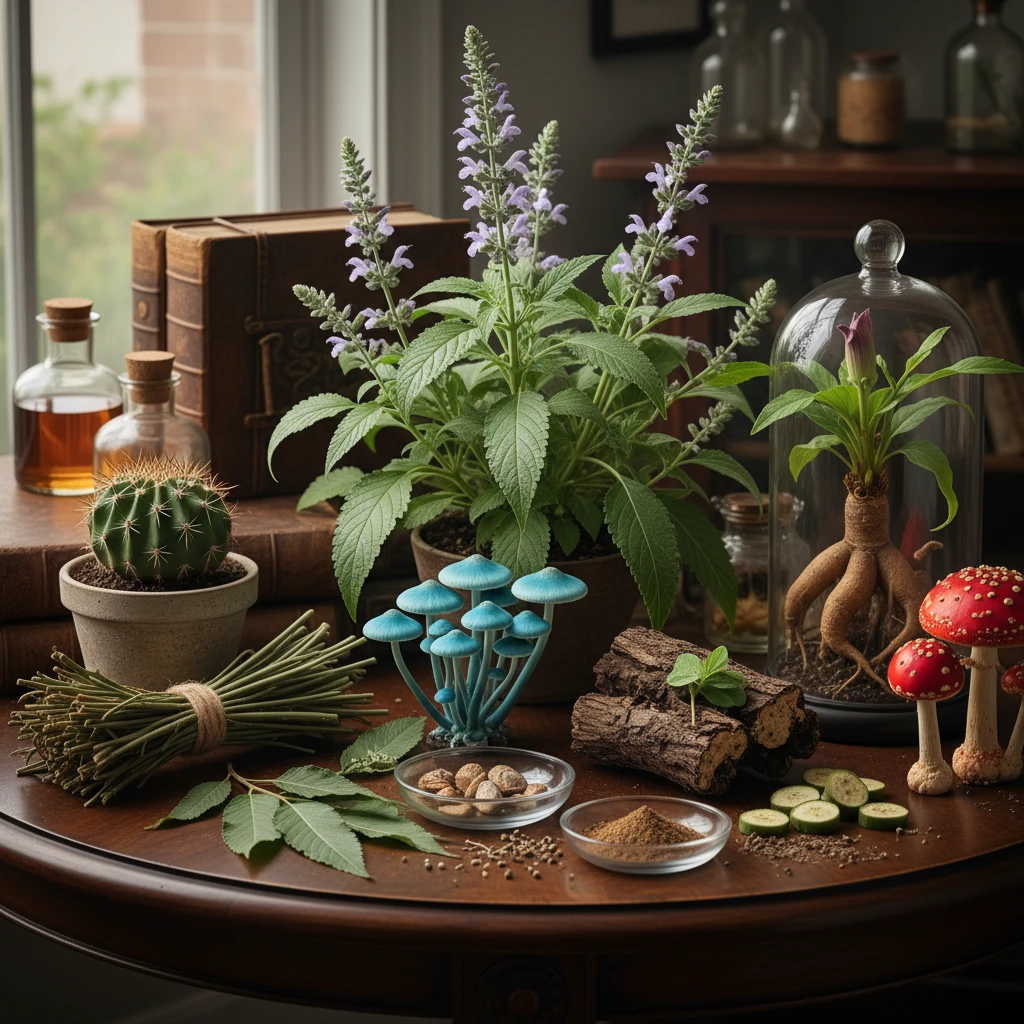
The world of psychoactive plants extends far beyond the well-trodden paths of cannabis and psilocybin mushrooms. A wealth of lesser-known botanicals offers unique and profound experiences, often carrying rich cultural histories and complex chemical profiles. This exploration delves into the fascinating realm of rare psychoactive plants, shedding light on their traditional uses, chemical constituents, and potential benefits while emphasizing the importance of responsible exploration and safe practices.
As interest in alternative therapies and consciousness exploration grows, understanding these plants and their effects becomes increasingly vital. Our goal is to provide information to assist in informed decision-making when considering the incorporation of these botanicals into your practices. From the South American rainforests to the arid landscapes of the American Southwest, nature offers a pharmacopeia of mind-altering substances worthy of careful consideration. Let’s embark on this journey together. If you’re interested in similar topics, you might find our article on discovering unique botanicals helpful.
Beyond the Familiar: Unveiling Nature’s Hidden Psychedelics
The Resurgence of Interest in Botanical Psychedelics (2026 Trends)
The year 2026 has witnessed a significant resurgence of interest in botanical psychedelics, fueled by several converging factors. Increased research into the therapeutic potential of psychedelics for mental health conditions like depression, anxiety, and PTSD has paved the way for broader acceptance and exploration. The growing awareness of the limitations of conventional treatments and the desire for holistic approaches to well-being have also contributed to this trend. Microdosing practices, involving sub-perceptual doses of substances like LSD or psilocybin, have gained traction as a means of enhancing creativity, focus, and overall cognitive function. This has led many to consider the potential of other psychoactive botanicals for similar applications. Consumers now want to securely order psychedelics online more than ever, with privacy as a primary concern.
Furthermore, a renewed appreciation for indigenous cultures and traditional healing practices has driven interest in plants like ayahuasca, iboga, and various psychoactive cacti. People are seeking authentic experiences and a deeper connection with nature, which these botanicals often provide. The key decision criteria include product quality, ethical sourcing, and access to reliable information. Pitfalls to avoid include purchasing from unregulated sources, neglecting proper preparation and integration, and overlooking potential contraindications. Example: Sarah, a 35-year-old professional, found that microdosing San Pedro cactus (after careful research and sourcing) helped her manage work-related stress and improve her focus, while prioritizing sleep and social activity.
Distinguishing Rare Psychoactive Plants from Common Psychedelics
The distinction between rare psychoactive plants and common psychedelics lies primarily in their prevalence of use, availability, and depth of scientific study. Common psychedelics, such as psilocybin mushrooms and LSD, are relatively well-researched, widely available (though often illegally), and have a substantial user base. In contrast, rare psychoactive plants are less accessible, less studied, and often associated with specific cultural or geographic regions. This scarcity can present both challenges and opportunities. Challenges include limited information on dosage, effects, and potential risks. Opportunities lie in the potential for novel therapeutic applications and unique subjective experiences.
For instance, while the effects of LSD online are relatively well-documented, the effects of a plant like *Psychotria viridis* (used in ayahuasca) when isolated from *Banisteriopsis caapi*, are much less understood outside of ritualistic settings. Another example is *Salvia divinorum*, a potent dissociative plant with effects significantly different from those of classic psychedelics. Its legal status and availability vary widely, and its use is often associated with unique risks and challenges. Actionable steps include thorough research from reputable sources, starting with low doses, and consulting with experienced individuals before experimenting with any rare psychoactive plant.
Ayahuasca’s Lesser-Known Cousins: Exploring Similar Brews
Pharmahuasca: An Alternative Approach
Pharmahuasca is an alternative approach to the traditional ayahuasca brew, utilizing purified or extracted forms of its active ingredients rather than relying solely on the plants themselves. Typically, this involves combining a source of DMT (N,N-Dimethyltryptamine) with an MAOI (Monoamine Oxidase Inhibitor). The MAOI is crucial because it inhibits the enzyme that breaks down DMT in the gut, allowing it to become orally active. Common sources of DMT in pharmahuasca include synthetic DMT or extracted DMT from plants like *Mimosa hostilis*. MAOIs can be pharmaceutical-grade, such as moclobemide, or derived from natural sources containing harmala alkaloids, like Syrian Rue (*Peganum harmala*). Careful dosage calculation is paramount in pharmahuasca preparation, as the potency and effects can vary significantly depending on the specific DMT source and MAOI used.
The decision to use pharmahuasca over traditional ayahuasca often stems from a desire for greater control over the dosage and a more predictable experience. However, this approach also carries certain risks. Pharmaceutical MAOIs can interact dangerously with certain medications and foods containing tyramine. The lack of synergistic compounds present in the whole plants may also alter the subjective experience. For example, a user might choose pharmahuasca to avoid the strong purgative effects sometimes associated with traditional ayahuasca, or to ensure a consistent DMT dosage when the potency of *Psychotria viridis* varies. A hypothetical user, John, carefully researches dosages and potential interactions before attempting pharmahuasca, finding it provides a more controlled experience than ayahuasca but acknowledges it lacks the same spiritual depth.
Identifying Potential Harmala-Containing Plants Beyond Banisteriopsis caapi
While *Banisteriopsis caapi* is the most well-known source of harmala alkaloids used in ayahuasca, several other plants contain these MAOI compounds and can potentially be used in similar brews. One notable example is Syrian Rue (*Peganum harmala*), a Middle Eastern and Central Asian plant that has a long history of traditional use. Syrian Rue seeds contain harmine, harmaline, and tetrahydroharmine, the same alkaloids found in *B. caapi*, although in different ratios. When considering alternatives, it’s crucial to understand the specific alkaloid profile of each plant and adjust dosages accordingly. For instance, Syrian Rue tends to be more stimulating than *B. caapi* due to its higher harmaline content.
Other potential, though less common, sources of harmala alkaloids include species within the *Passiflora* genus (passionflowers). While not traditionally used in ayahuasca-like brews, some *Passiflora* species contain harmala alkaloids in varying concentrations. However, their overall potency is generally much lower than that of *B. caapi* or *Peganum harmala*. Identifying potential harmala-containing plants requires careful botanical knowledge and chemical analysis. Pitfalls to avoid include misidentification of plants, inaccurate dosage calculations, and neglecting potential synergistic or antagonistic effects with other compounds. A researcher, for example, might analyze various *Passiflora* species to determine their harmala content, finding that *Passiflora incarnata* contains a small amount of harmine but not enough to induce strong MAOI effects on its own. Remember to buy DMT Canada from reputable sources.
Psychoactive Cacti Beyond Peyote: San Pedro and More
San Pedro (Echinopsis pachanoi): Cultivation and Alkaloid Content
San Pedro (*Echinopsis pachanoi*) is a columnar cactus native to the Andes Mountains, known for its psychoactive properties due to its mescaline content. Unlike peyote, which is slow-growing and endangered, San Pedro is relatively fast-growing and can be legally cultivated in many regions. This makes it a more sustainable option for those interested in experiencing the effects of mescaline. The mescaline content in San Pedro can vary widely depending on factors such as age, growing conditions, and genetic variation. Typically, the outer green layer of the cactus contains the highest concentration of mescaline.
Cultivating San Pedro is relatively straightforward, requiring well-draining soil, plenty of sunlight, and moderate watering. Propagation can be achieved through seeds or cuttings. When preparing San Pedro for consumption, it’s important to remove the spines and waxy outer layer, then boil or blend the remaining green tissue to extract the mescaline. The resulting liquid can be consumed directly or further processed into a powder or resin. Determining the appropriate dosage requires careful consideration of the cactus’s potency and individual sensitivity. A common rule of thumb is to start with a small dose and gradually increase it until the desired effects are achieved. Cultivators often aim for plants 3-5 years old for optimal mescaline levels. For instance, a gardener in British Columbia might successfully grow several San Pedro cacti in a greenhouse, harvesting them after four years for ceremonial use.
Torch Cactus (Echinopsis peruvianus): Potency Variations
*Echinopsis peruvianus*, also known as the Peruvian Torch cactus, is another mescaline-containing cactus closely related to San Pedro. However, *E. peruvianus* is generally considered to be more potent than *E. pachanoi*, although its mescaline content can also vary significantly. The visual differences between the two species can be subtle, leading to misidentification. *E. peruvianus* typically has longer spines and a bluish-green color, while *E. pachanoi* has shorter spines and a greener color. It’s crucial to accurately identify the cactus species to avoid unexpected effects.
Potency variations in *E. peruvianus* can be attributed to several factors, including genetic variations, environmental conditions, and cultivation practices. Some cultivars are known to be significantly more potent than others. It is essential to source the cactus from a reputable vendor who can provide accurate information about its lineage and mescaline content. Consuming *Echinopsis peruvianus* carries similar risks to San Pedro, including nausea, vomiting, and anxiety. Starting with a low dose and gradually increasing it is highly recommended. Example: A user acquires what they believe is San Pedro but is actually *E. peruvianus* and experiences a much stronger and more intense experience than anticipated due to the higher mescaline content, underscoring the importance of accurate identification. Be sure to check the potency of magic mushrooms too, if you plan on consuming them.
Morning Glory Seeds: Natural Sources of Lysergic Acid Amides
Preparation Methods for Minimizing Side Effects
Morning glory seeds, particularly those of *Ipomoea tricolor* (Heavenly Blue) and *Turbina corymbosa* (Ololiuqui), contain lysergic acid amides (LAAs), which are precursors to LSD. While not as potent as LSD, LAAs can produce psychedelic effects. However, they are also associated with significant side effects, including nausea, abdominal discomfort, and vasoconstriction. Proper preparation methods are crucial for minimizing these side effects. One common technique involves cold water extraction. The seeds are ground and soaked in cold water for several hours, allowing the LAAs to dissolve while leaving behind many of the compounds responsible for nausea.
Another method involves extracting the LAAs with non-polar solvents like naphtha or petroleum ether. This removes fats and oils that can contribute to gastrointestinal distress. The solvent is then evaporated, leaving behind a purified extract. It’s crucial to use high-quality solvents and perform the extraction in a well-ventilated area. Some users also find that taking anti-nausea medications or ginger can help alleviate side effects. The decision to use one preparation method over another depends on the availability of materials, technical skills, and tolerance for potential risks. Remember to thoroughly research and follow safety guidelines before attempting any extraction method. For example, someone might soak 300 Heavenly Blue seeds in cold water for 24 hours, discarding the seeds and drinking the resulting liquid to experience mild psychedelic effects with reduced nausea.
LSA vs. LSD: Key Differences in Experience
While both LSA (lysergic acid amide) and LSD (lysergic acid diethylamide) are psychoactive substances that affect serotonin receptors in the brain, they produce distinct subjective experiences. LSD is generally considered to be more potent and visually stimulating, with a clearer and more predictable headspace. LSA, on the other hand, tends to be more sedating and introspective, with a heavier body load and a greater potential for anxiety and confusion. The duration of effects also differs, with LSD typically lasting 8-12 hours, while LSA effects usually peak within 4-6 hours. Users often describe the LSA experience as “dreamlike” or “earthy,” while LSD is often described as “electric” or “geometric.”
The key differences in experience can be attributed to the different chemical structures of the two substances and their interactions with various neurotransmitter systems. LSD is a synthetic compound specifically designed to target serotonin receptors, while LSA is a naturally occurring compound that may interact with other receptors as well. The decision to use LSA over LSD may be influenced by factors such as legal status, availability, and personal preference. However, it’s essential to be aware of the potential risks and side effects associated with both substances. A user who has experience with LSD online might find that LSA produces a more grounded and less intense experience, making it suitable for meditation or introspective exploration. However, they might also find the body load and potential for nausea to be less desirable.
Kratom (Mitragyna speciosa): Analgesic and Stimulant Effects
Kratom (Mitragyna speciosa), derived from a tree native to Southeast Asia, has gained considerable attention for its complex pharmacological profile. At lower doses, it often acts as a stimulant, increasing energy and alertness. Conversely, higher doses typically produce analgesic and sedative effects, making it a popular alternative remedy for pain management. This duality is attributed to the varying effects of kratom’s alkaloids, particularly mitragynine and 7-hydroxymitragynine, on opioid receptors.
Different Strains and Their Effects (Red, Green, White)
Kratom is typically categorized into three main strains: red, green, and white vein, each with unique properties. Red vein kratom is known for its calming and pain-relieving effects, making it suitable for evening use or managing chronic pain. Green vein kratom offers a balanced effect, providing mild stimulation and pain relief without excessive sedation. White vein kratom is primarily stimulating, enhancing focus and energy, and is often preferred for daytime use. The alkaloid content and ratios differ between strains, influenced by factors such as harvest time and drying methods. Choosing the right strain depends on the desired effects and individual tolerance.
Legal Considerations in Canada for Kratom Use
The legal status of kratom in Canada is currently somewhat ambiguous. While it’s not explicitly illegal at the federal level, its legality can vary depending on provincial and municipal regulations. Health Canada has issued warnings about kratom’s potential health risks, leading some retailers to stop selling it. As of 2026, it’s crucial to check local laws before purchasing or using kratom. Consumers should also be aware of potential import restrictions if ordering from outside Canada. It is advisable to stay updated on any changes to kratom’s legal status, as regulations can evolve rapidly. For individuals seeking to explore legal alternatives, it’s worth exploring options for mental wellness in Canada.
Salvia divinorum: A Diviner’s Sage and its Unique Properties
Salvia divinorum, often referred to as “Diviner’s Sage,” is a psychoactive plant native to Oaxaca, Mexico. Its primary psychoactive compound is salvinorin A, a potent kappa opioid receptor agonist, unlike most classic psychedelics that primarily target serotonin receptors. This unique mechanism of action results in altered states of consciousness that are often described as intensely visionary and profoundly introspective. The effects are typically short-lived, lasting only a few minutes, but can feel subjectively much longer. The experience is highly variable and can range from feelings of detachment and altered perception of reality to complex visual hallucinations and mystical experiences.
Methods of Consumption: Quid, Tincture, and Smoking
Salvia divinorum can be consumed in several ways, each affecting the intensity and duration of the experience. Traditionally, the “quid” method involves chewing fresh or rehydrated leaves for an extended period, allowing salvinorin A to be absorbed through the buccal mucosa. This method results in a gradual onset and a longer, gentler experience. Tinctures, made by extracting salvinorin A into alcohol, can be administered sublingually for faster absorption. Smoking dried leaves or concentrated extracts is the most common method, producing a rapid and intense, but short-lived, effect. The potency of the extract is crucial; starting with low concentrations (e.g., 5x or 10x) is advisable for beginners to gauge sensitivity.
Understanding the Duration and Intensity of Salvia Experiences
The duration of a Salvia divinorum experience is typically quite brief, usually lasting between 5 and 20 minutes. However, the perceived intensity and subjective experience can vary significantly based on dosage, method of consumption, and individual sensitivity. Higher doses tend to produce more intense and potentially overwhelming effects. The onset of effects is usually rapid, particularly with smoking, often within seconds. The peak experience is typically reached within a few minutes, followed by a gradual decline. It’s crucial to have a sober sitter present to ensure safety and provide support during the experience. It’s also very important to ensure preparation and safety, similar to considerations when you buy LSD online in Canada, to maximize the benefits and minimize risks.
The Legal Landscape: Navigating the Regulations in Canada
Navigating the legal landscape surrounding psychoactive plants in Canada requires careful attention to both federal and provincial regulations. Many substances are not explicitly illegal but may be controlled under the Controlled Drugs and Substances Act if they are analogs of prohibited substances or if they are deemed to pose a significant health risk. The interpretation and enforcement of these laws can vary, making it essential to stay informed about the latest legal developments. Canada Botanicals strives to provide up-to-date information to its customers but advises consulting with legal professionals for specific guidance. Understanding these nuances is crucial when considering products like Buy DMT Canada.
Current Laws Regarding Psychoactive Plants and Substances
In Canada, the legal status of psychoactive plants is complex. Substances like cannabis are legal at the federal level, subject to provincial regulations regarding distribution and consumption. However, many other psychoactive substances, including certain tryptamines and phenethylamines, are controlled under the Controlled Drugs and Substances Act. The legality often depends on whether the substance is explicitly listed in the schedules of the Act or if it’s considered an analog of a prohibited substance. Some plants containing psychoactive compounds may be legal to possess but illegal to extract or process for their psychoactive effects. The legal definition of “possession” and “intent to distribute” can also influence prosecution, making legal advice essential.
Staying Informed About Potential Legal Changes (Updated for 2026)
The legal landscape surrounding psychoactive plants and substances is constantly evolving. Legislative changes, judicial decisions, and evolving scientific understanding can all influence regulations. Staying informed about potential legal changes requires monitoring government announcements, regulatory updates from Health Canada, and legal interpretations by courts. Subscribing to newsletters from organizations advocating for drug policy reform and consulting with legal experts specializing in drug law can provide valuable insights. In 2026, there is increasing pressure to review and update drug laws based on harm reduction principles and scientific evidence, reflecting a growing global trend towards more progressive drug policies. It’s also smart to stay informed about evolving legislation regarding similar substances when seeking to order LSD online.
Responsible Use: Safety Guidelines for Exploring Botanical Psychedelics
Exploring botanical psychedelics requires a commitment to responsible use, prioritizing safety and well-being. This involves thorough research, understanding potential risks, and adhering to established safety guidelines. It’s essential to consider the individual’s physical and mental health, as well as the potential interactions with other substances. Responsible use also encompasses respecting the cultural and historical significance of these plants, avoiding exploitation, and promoting harm reduction strategies. These strategies apply to the safe use of ketamine online and other powerful compounds.
Dosage Considerations: Start Low and Go Slow
One of the most crucial aspects of responsible use is careful dosage. “Start low and go slow” is a fundamental principle for minimizing risks and maximizing positive experiences. Begin with the lowest effective dose to gauge individual sensitivity and response. Gradually increase the dosage in subsequent experiences, allowing ample time to assess the effects. Factors such as body weight, metabolism, and individual tolerance can significantly influence the optimal dosage. Using a milligram scale for accurate measurement is highly recommended, especially for potent substances. Always prioritize caution and err on the side of under-dosing rather than over-dosing.
The Importance of Set and Setting
“Set and setting” are critical factors influencing the outcome of any psychedelic experience. “Set” refers to the individual’s mindset, including their expectations, intentions, and emotional state. “Setting” refers to the physical and social environment in which the experience takes place. A positive and relaxed mindset, coupled with a safe and comfortable environment, can significantly enhance the likelihood of a positive experience. Conversely, a negative mindset or an uncomfortable environment can increase the risk of anxiety, fear, or paranoia. Choose a familiar and supportive setting, free from distractions and potential stressors. Consider having a trusted and sober sitter present to provide support and ensure safety.
Recognizing and Managing Adverse Reactions
Despite careful preparation, adverse reactions can occur when exploring botanical psychedelics. These can range from mild anxiety and nausea to more severe symptoms such as panic attacks, paranoia, or disorientation. Recognizing the early signs of an adverse reaction is crucial for effective management. Deep breathing exercises, grounding techniques, and reassurance can help calm anxiety. If symptoms persist or worsen, seek support from a trusted friend or mental health professional. In rare cases, medical intervention may be necessary. It’s essential to remember that adverse reactions are often temporary and manageable with appropriate support. Understanding these potential adverse reactions is crucial whether you’re exploring rare botanicals or considering where to find potent varieties of magic mushrooms online.
Ethical Sourcing and Sustainability: Protecting Rare Plants
Supporting Sustainable Harvesting Practices
The sourcing of rare psychoactive plants carries significant ethical weight. Unsustainable harvesting can decimate populations and damage fragile ecosystems. Supporting sustainable harvesting practices means favoring suppliers who prioritize the long-term health of plant populations and the environments they inhabit. One crucial aspect is ensuring harvesters are properly trained in selective harvesting techniques, taking only mature plants and leaving enough behind for regeneration. This often involves working directly with indigenous communities, respecting their traditional knowledge, and ensuring fair compensation for their labor and stewardship. A decision to prioritize ethical sourcing might mean higher upfront costs, but it ultimately contributes to the preservation of these valuable resources for future generations.
Avoiding Endangered Species: A Checklist
It is crucial to be aware of which psychoactive plants are endangered or threatened before considering a purchase. A quick checklist can help prevent contributing to the decline of vulnerable species. First, research the plant’s conservation status using resources like the IUCN Red List. Second, verify that the supplier provides documentation of sustainable harvesting permits or certifications. Third, inquire about the plant’s origin and ensure it wasn’t sourced from protected areas. Example: A consumer considering Psychotria viridis should verify that it was cultivated sustainably rather than harvested from wild populations in the Amazon. Failure to do so could lead to unintentional involvement in illegal or unsustainable trade. This proactive approach helps ensure that the pursuit of rare botanicals doesn’t come at the expense of biodiversity.
CanadaBotanicals.com’s Commitment to Ethical Sourcing
At CanadaBotanicals.com, we are deeply committed to ethical and sustainable sourcing. Our team meticulously vets all suppliers to ensure they adhere to stringent environmental standards and fair labor practices. We prioritize suppliers who have established long-term relationships with local communities and who actively participate in reforestation and conservation efforts. We strive to provide complete transparency regarding the origin and harvesting methods of our products. For example, we work directly with a cooperative in Peru to source Banisteriopsis caapi, ensuring that the vine is harvested sustainably and that the local community receives fair compensation. This commitment extends to all our rare botanical offerings, reflecting our dedication to both our customers and the environment.
Where to Buy Rare Psychoactive Plants in Canada: A Guide to CanadaBotanicals.com
Product Quality Assurance at CanadaBotanicals.com
When seeking to discover rare psychoactive plants, quality is paramount. At CanadaBotanicals.com, we implement rigorous quality assurance protocols to guarantee the purity and potency of our products. Every batch undergoes third-party laboratory testing to verify its composition and confirm the absence of contaminants like heavy metals, pesticides, and molds. We provide Certificates of Analysis (COAs) for all products, allowing customers to review the test results themselves. Example: In January 2026, a batch of Salvia divinorum was found to have lower than expected salvinorin A levels. The entire batch was immediately removed from the market, showcasing our commitment to providing only high-quality products. This commitment to transparency and testing ensures that customers receive safe and effective botanicals.
Secure Ordering and Discreet Shipping Options
Privacy and security are top priorities when purchasing sensitive items online. CanadaBotanicals.com employs state-of-the-art encryption technology to protect customer data during transactions. Our website utilizes HTTPS protocol and secure payment gateways to ensure all financial information remains confidential. Furthermore, we offer discreet shipping options, packaging all orders in unmarked boxes with no indication of the contents. Example: A customer in rural Manitoba recently shared their positive experience with our discreet shipping, highlighting how the unmarked package ensured their privacy. These measures are in place to provide peace of mind and safeguard customer anonymity. You can securely order psychedelics online with confidence at CanadaBotanicals.com.
Customer Support and Educational Resources Available
CanadaBotanicals.com strives to be more than just a retailer; we aim to be a trusted resource for information and support. Our customer support team is available via email and live chat to answer questions and address concerns. We also provide a comprehensive library of educational resources, including articles on dosage, safety, and potential interactions. For example, our guide on safe use of LSD online offers important guidelines. These resources empower customers to make informed decisions and use our products responsibly. We encourage customers to reach out to us with any questions, as informed use is the safest use.
Microdosing with Rare Botanicals: Exploring Subtle Effects
Potential Benefits of Microdosing: Focus, Creativity, Mood
Microdosing involves taking sub-perceptual doses of psychoactive substances, aiming to achieve subtle yet noticeable enhancements in cognitive function and well-being. Potential benefits of microdosing with rare botanicals can include improved focus and concentration, increased creativity, and enhanced mood. It is important to acknowledge that research is still evolving in this area, and individual experiences may vary. Example: A graphic designer reported increased creativity and reduced anxiety after microdosing Rhodiola rosea for two weeks. Another individual noted improved focus while working after experimenting with very low doses of psilocybin mushrooms. These experiences highlight the potential benefits but should not be interpreted as guaranteed outcomes.
Establishing a Microdosing Protocol: Dosage and Schedule
Establishing a safe and effective microdosing protocol requires careful consideration of dosage and schedule. Begin with a very low dose and gradually increase it until you find the optimal level. A common starting point is 1/10th of a standard recreational dose. Pay close attention to your body and mind, and keep a journal to track the effects. A popular schedule involves microdosing one day, followed by two days off. It’s also wise to consult with a healthcare professional before beginning any new microdosing regimen, especially if you have pre-existing medical conditions or are taking medications. Remember that the goal is to achieve subtle benefits without experiencing psychoactive effects. It’s crucial to approach microdosing with caution and self-awareness.
Community and Research: Staying Connected with the Psychedelic Space
Relevant Scientific Publications and Research Groups
Staying informed about the latest research is crucial for responsible engagement with psychoactive substances. Numerous scientific publications and research groups are dedicated to studying the effects of psychedelics and rare botanicals. Reputable sources include journals like the Journal of Psychopharmacology and research institutions such as MAPS (Multidisciplinary Association for Psychedelic Studies). These resources provide evidence-based information on the potential benefits and risks of various substances. Engaging with credible sources helps to dispel misinformation and promotes a more nuanced understanding of these complex topics. Always prioritize peer-reviewed research over anecdotal reports.
Forums and Communities for Sharing Experiences and Information
Online forums and communities can provide valuable platforms for sharing experiences and exchanging information about rare psychoactive plants. However, it’s important to approach these resources with a critical eye. Look for communities with clear moderation policies and a focus on harm reduction. Verify the information shared by cross-referencing it with reputable sources. Be wary of unsubstantiated claims and personal anecdotes that may not be representative of typical experiences. Remember that online communities are not a substitute for professional medical advice. These platforms can offer a sense of community and shared learning, but they should be used responsibly and with careful discernment.
Understanding the ethical dimensions of sourcing, knowing where to purchase quality products, exploring the potential of microdosing, and staying connected with the research community are all crucial aspects of navigating the world of rare psychoactive plants responsibly. CanadaBotanicals.com is committed to providing not only access to these botanicals but also the resources and information needed for informed and safe exploration.
Leave a Reply