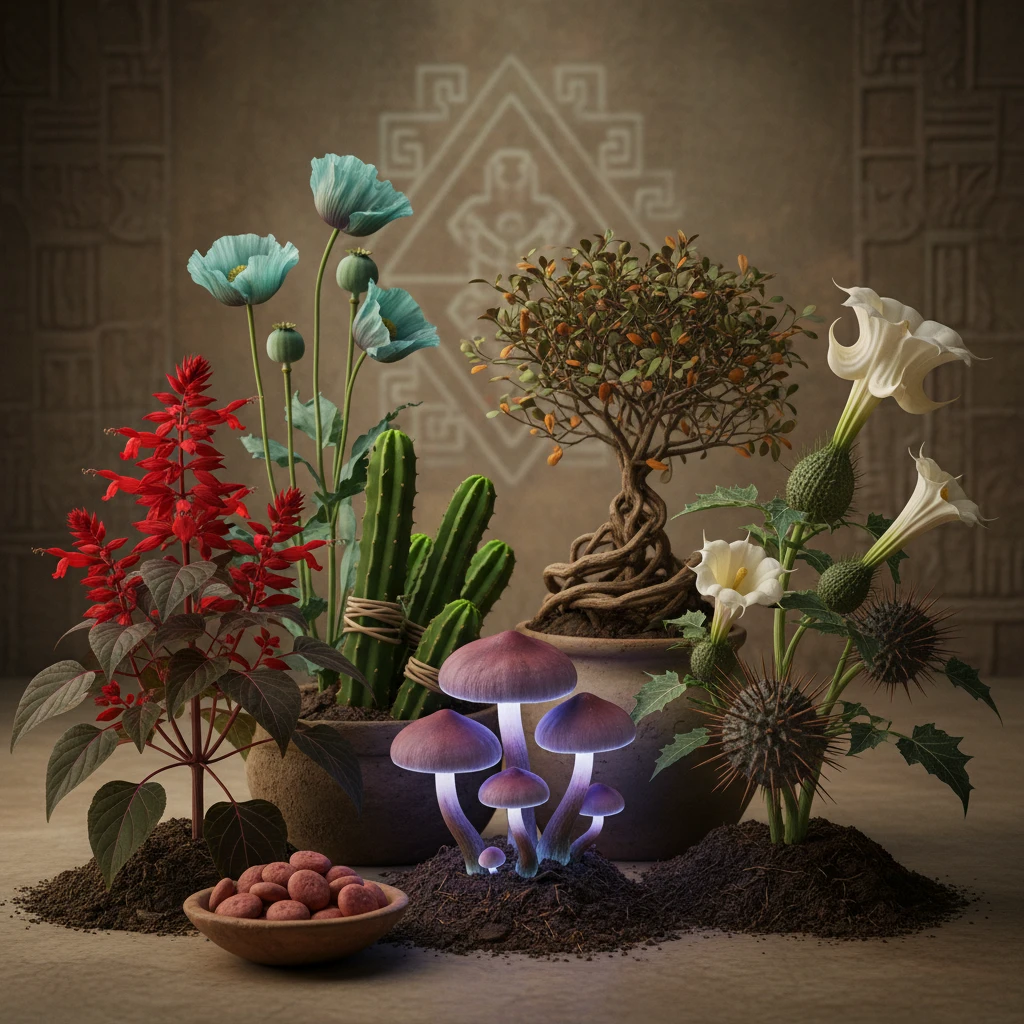
This article delves into the world of rare psychoactive plants, providing a glimpse into their properties, traditional uses, and potential risks. We will explore several examples, offering practical guidance on identification, preparation, and responsible consumption. It’s important to note that legality varies greatly depending on your location, and researching local laws before acquiring or using any of these plants is crucial.
Beyond the Usual Suspects: Exploring Nature’s Hidden Psychoactive Treasures
The world of psychoactive substances extends far beyond well-known examples. Many plants, often with deep cultural roots, possess psychoactive properties that remain relatively unexplored in modern contexts. These “hidden treasures” represent a diverse range of experiences and potential applications, but also demand respect and a commitment to safety. Exploring these botanicals responsibly involves rigorous research, understanding the plant’s chemistry, and acknowledging the potential for both positive and negative effects. It also requires assessing your own mental and physical health to ensure you are a suitable candidate for experimentation. Before considering any rare psychoactive plant, consider these decision criteria: 1. Legality in your region, 2. Availability of credible information about the plant’s effects and safe usage, 3. Your personal risk tolerance, and 4. Access to medical assistance should adverse effects occur. A common pitfall is relying on anecdotal reports without verifying the source’s credibility or understanding the potential biases.
Why Explore Rare Psychoactive Plants?
Exploring rare psychoactive plants can be driven by a desire for novel experiences, spiritual exploration, or potential therapeutic applications. For some, it’s about reconnecting with ancient traditions and understanding the role of these plants in indigenous cultures. Others may seek alternatives to conventional pharmaceuticals, hoping to find relief from conditions like anxiety or depression. However, it’s crucial to acknowledge that research on these plants is often limited, and potential benefits are frequently anecdotal. Responsible exploration necessitates a critical and skeptical mindset, prioritizing safety and informed decision-making over blind faith or sensationalized claims. An Example: A researcher looking into ethnobotanical uses of plants might come across a rare Amazonian vine with anecdotal reports of mood enhancement, sparking interest in its potential pharmacological properties. The actionable step is to consult peer-reviewed scientific literature and collaborate with experts in ethnobotany and pharmacology before considering any experimentation.
Defining ‘Rare’ in the Context of Psychoactive Botanicals
The term “rare” in this context doesn’t necessarily mean that a plant is endangered, but rather that it is not widely known or used within mainstream Western culture. This rarity can stem from geographical isolation, limited cultivation, or a lack of scientific research. Many of these plants are integral to the traditions and healing practices of specific indigenous communities, where their use is often governed by strict protocols and deep cultural understanding. The limited availability and knowledge surrounding these plants can pose challenges for researchers and individuals interested in exploring their potential. It also emphasizes the importance of ethical sourcing and respecting the cultural context in which these plants are traditionally used. A plant might be rare in commerce but common in its native habitat, such as a specific type of *Mimosa* species used traditionally in South America.
Amanita Muscaria: A Historical and Controversial Psychoactive Mushroom

*Amanita muscaria*, the iconic red-and-white spotted mushroom often depicted in fairy tales, has a long and complex history of psychoactive use. While commonly associated with folklore and children’s stories, it contains ibotenic acid and muscimol, compounds that can produce altered states of consciousness. However, the mushroom is also potentially toxic, and its effects are highly variable depending on preparation, dosage, and individual sensitivity. The experience is frequently described as unpredictable, ranging from euphoria and altered perception to confusion, nausea, and muscle twitching. Due to the potential for adverse effects, *Amanita muscaria* should be approached with extreme caution, and only after thorough research and understanding of the associated risks.
Identifying Amanita Muscaria: Key Characteristics
Proper identification is paramount when dealing with *Amanita muscaria*. Key characteristics include a bright red cap (though colors can range from orange to yellow), white warts or spots on the cap (which can be washed off by rain), white gills underneath the cap, and a volva (a bulbous base of the stem). The mushroom typically grows in association with birch and pine trees. It’s crucial to consult with experienced mycologists or use reliable field guides to confirm identification before consumption. Mistaking *Amanita muscaria* for other poisonous mushrooms can have severe consequences. An actionable step would be to compare your find with multiple credible sources (field guides, expert websites, and mycological communities) and seek verification from an expert if any doubt exists. A pitfall is assuming that any red-capped mushroom with white spots is *Amanita muscaria* without considering other distinguishing features.
Preparation and Dosage: Mitigating Risks
The psychoactive compounds in *Amanita muscaria* are water-soluble, meaning that boiling or drying the mushroom can reduce the concentration of ibotenic acid and convert it to muscimol, which is generally considered less toxic. Traditional preparation methods often involve parboiling the mushrooms in multiple changes of water. Dosage is highly variable and depends on factors such as the mushroom’s potency, preparation method, and individual sensitivity. Start with extremely low doses (e.g., a few grams of dried mushroom) and gradually increase as needed, paying close attention to your body’s response. It’s essential to have a sober sitter present to monitor your condition and provide assistance if needed. Consuming alcohol or other substances in conjunction with *Amanita muscaria* is strongly discouraged due to the potential for unpredictable interactions.
Cultural Significance and Traditional Uses
*Amanita muscaria* has a rich history of use in shamanic practices across Eurasia, particularly in Siberia. Some researchers believe that it may have been used as an entheogen in ancient rituals, providing access to altered states of consciousness for spiritual purposes. In some cultures, the mushroom is believed to facilitate communication with spirits or provide insight into the future. While these traditions are fascinating, it’s important to approach them with respect and avoid appropriating cultural practices without proper understanding and guidance. The use of *Amanita muscaria* in these contexts is often deeply intertwined with cultural beliefs and rituals, and should not be treated as a recreational drug.
Salvia Divinorum: The Shepherdess’s Herb
*Salvia divinorum*, a member of the mint family native to Oaxaca, Mexico, is renowned for its potent and short-lived psychoactive effects. Traditionally used by Mazatec shamans for divination and healing, it contains salvinorin A, a unique diterpene that acts as a potent kappa opioid receptor agonist. Unlike many other psychoactive substances, salvinorin A does not primarily interact with serotonin receptors, making its effects distinctly different from those of psychedelics like LSD or psilocybin. The experience is often described as otherworldly and difficult to articulate, characterized by altered perceptions of space and time, visions, and out-of-body sensations.
Understanding Salvinorin A: The Active Compound
Salvinorin A stands out due to its unique mechanism of action. It is one of the most potent naturally occurring psychoactive compounds known, requiring only microgram doses to produce noticeable effects. Its selectivity for the kappa opioid receptor is unusual among psychoactive substances, and contributes to the unique subjective experience associated with *Salvia divinorum*. This receptor is involved in pain modulation, mood regulation, and consciousness. The effects of salvinorin A are rapid in onset but also short-lived, typically lasting only a few minutes. Research into salvinorin A’s potential therapeutic applications is ongoing, with some studies exploring its potential role in treating pain and addiction.
Methods of Consumption: Quid, Tincture, and Smoking
Traditional methods of consuming *Salvia divinorum* involve chewing fresh leaves (quid) for an extended period. This allows for gradual absorption of salvinorin A through the oral mucosa. Tinctures, prepared by soaking dried leaves in alcohol, can also be administered sublingually. In modern usage, dried leaves are often smoked or vaporized, which delivers a concentrated dose of salvinorin A to the lungs, resulting in a more intense and rapid onset of effects. Each method provides a different experience with different onset and intensity. When smoking, a small amount is typically sufficient due to the high potency of the active compound.
Potential Benefits and Risks: A Balanced Perspective
Some users report that *Salvia divinorum* can induce profound insights, spiritual experiences, and a sense of connection to something larger than themselves. Others find the experience to be disorienting, frightening, or unpleasant. Potential risks include anxiety, panic attacks, temporary loss of coordination, and impaired judgment. Due to the intensity and unpredictable nature of the experience, it is crucial to use *Salvia divinorum* in a safe and supportive environment with a sober sitter. It’s also important to be aware of the legal status of *Salvia divinorum* in your jurisdiction, as it is banned or regulated in many countries and states. An example: Someone seeking relief from chronic pain might experiment with *Salvia divinorum*, but they should be aware that there is limited scientific evidence to support its efficacy for pain management, and that other, more conventional treatments may be more appropriate.
Kratom (Mitragyna speciosa): Southeast Asia’s Energizing and Analgesic Leaf
*Mitragyna speciosa*, commonly known as kratom, is a tropical evergreen tree native to Southeast Asia. Its leaves have been traditionally used for centuries for their energizing, mood-enhancing, and pain-relieving properties. In recent years, kratom has gained popularity in Western countries as a natural alternative to conventional painkillers and stimulants. However, its legal status remains controversial, and concerns have been raised about its potential for addiction and adverse effects. It is important to exercise caution and do thorough research before using kratom. Always consult a doctor before using kratom to treat any ailment.
The Alkaloid Profile: Mitragynine and 7-Hydroxymitragynine
Kratom’s effects are primarily attributed to two key alkaloids: mitragynine and 7-hydroxymitragynine. Mitragynine is the most abundant alkaloid in kratom leaves and acts as a partial agonist at opioid receptors, contributing to its analgesic and mood-enhancing effects. 7-Hydroxymitragynine is present in smaller quantities but is significantly more potent than mitragynine at the opioid receptors. These alkaloids also interact with other neurotransmitter systems, including serotonin and dopamine, contributing to the complex and varied effects of kratom. The specific alkaloid profile can vary depending on the kratom strain and growing conditions.
Different Strains and Their Effects: Red, Green, and White Vein
Kratom strains are typically categorized based on the color of the veins in the leaves: red, green, and white. Red vein kratom is generally considered to be the most relaxing and analgesic, often used for pain relief and promoting sleep. Green vein kratom is often described as having a more balanced effect, providing both energy and relaxation. White vein kratom is typically the most stimulating and energizing, often used to improve focus and concentration. However, these are broad generalizations, and the actual effects can vary depending on the specific strain and individual response.
Legality and Responsible Use: Staying Informed
The legal status of kratom varies widely around the world. In some countries and states, it is legal to buy, sell, and possess kratom. In others, it is banned or regulated. It’s crucial to research the legal status of kratom in your location before acquiring or using it. Responsible use of kratom involves starting with low doses, avoiding daily use to prevent tolerance and dependence, and being aware of potential side effects, such as nausea, constipation, and dizziness. It’s also important to purchase kratom from reputable vendors who test their products for contaminants and ensure quality and purity. If you are looking to order ketamine online or kratom, be sure to understand the rules and regulations.
Iboga (Tabernanthe iboga): A Powerful Root for Spiritual Transformation
Ibogaine and Noribogaine: Understanding the Effects
Tabernanthe iboga, native to West Central Africa, is revered for its potent psychoactive properties derived primarily from the alkaloid ibogaine. Ibogaine’s unique mechanism of action involves multiple neurotransmitter systems, including the serotonin, dopamine, and opioid receptors. This complex interaction results in a prolonged altered state of consciousness, characterized by vivid visual experiences, introspection, and emotional processing. A primary metabolite of ibogaine, noribogaine, has a longer half-life and contributes significantly to the extended duration of effects, which can last for several days. Noribogaine primarily acts as a serotonin reuptake inhibitor. Understanding these combined effects helps explain ibogaine’s reported capacity to disrupt addictive behaviors and facilitate profound psychological shifts. The subjective experience is often described as a journey through one’s past, revealing patterns and traumas that may be influencing current behaviors.
Traditional Bwiti Rituals and Modern Therapeutic Applications
Traditionally, iboga is central to the Bwiti religion of Gabon, where it’s used in initiation ceremonies and spiritual practices. These ceremonies involve consuming the root bark of the iboga plant, inducing a deep altered state believed to facilitate communication with ancestors and spiritual insights. In modern times, ibogaine has gained attention for its potential therapeutic applications, particularly in addiction treatment. Some studies suggest it can reduce cravings and withdrawal symptoms associated with opioid and other substance dependencies. However, its use outside of traditional contexts remains controversial and is subject to varying legal regulations. Modern clinical uses must differ from traditional rituals due to cultural context, dosage control, and safety concerns. For example, Bwiti rituals often involve communal consumption and spiritual guidance, whereas clinical settings emphasize individualized dosing and medical supervision.
Medical Screening and Safety Precautions Before Use
Due to its potent effects and potential risks, thorough medical screening is crucial before considering iboga or ibogaine treatment. Individuals with pre-existing heart conditions, liver problems, or psychiatric disorders may be at increased risk of adverse events. An electrocardiogram (ECG) is typically required to assess heart function, as ibogaine can prolong the QT interval, potentially leading to life-threatening arrhythmias. A liver function test is also essential, given the liver’s role in metabolizing ibogaine. Furthermore, psychological evaluation is recommended to determine suitability for the intense emotional and psychological challenges that may arise during the experience. It’s critical to be under qualified medical supervision throughout the entire process. Avoid self-administration; seek experienced professionals who can monitor vital signs and provide support. Remember that ibogaine is not a universally safe substance, and responsible use necessitates prioritizing safety.
Legal Considerations for Rare Psychoactive Plants in Canada (and Beyond)
Understanding Controlled Substances Acts
Navigating the legality of rare psychoactive plants requires careful examination of controlled substances acts in Canada and other relevant jurisdictions. In Canada, the Controlled Drugs and Substances Act (CDSA) regulates the possession, production, distribution, and sale of specific substances. Many psychoactive compounds, whether naturally derived or synthetic, fall under this legislation. However, the legal status of the plants themselves can be ambiguous. For example, while DMT is a Schedule III controlled substance, plants containing DMT, such as certain Acacia species, may not be explicitly prohibited unless processed or intended for extraction of the controlled substance. This ambiguity creates legal grey areas that necessitate careful consideration and, in some cases, legal consultation.
Navigating the Grey Areas: Plants vs. Isolated Compounds
The distinction between a plant containing a controlled substance and the isolated compound itself is often a point of contention in legal contexts. Many legal frameworks primarily target the isolated compound, rather than the raw plant material. This can lead to confusion and inconsistent enforcement. For example, while the sale and possession of pure mescaline are strictly controlled, the legal status of the Peyote cactus, which contains mescaline, may vary depending on its intended use and cultural significance. Similarly, while buying LSD online is illegal, some precursor compounds might not be, until they are processed into the illegal substance. It is important to note that this distinction may not always provide legal protection, and authorities may interpret laws differently depending on the specific circumstances. Always research local laws and regulations related to specific plants before purchasing or possessing them.
Tips for Responsible Sourcing and Compliance with Regulations
To ensure responsible sourcing and compliance with regulations, prioritize transparency and due diligence. Obtain plants from reputable vendors who can provide detailed information about their origin and composition. Request documentation, such as certificates of analysis, to verify the absence of contaminants and the concentration of active compounds. Be aware of the specific regulations in your jurisdiction regarding the possession, cultivation, and use of psychoactive plants. Keep records of your purchases and the intended use of the plants. If you are unsure about the legality of a particular plant, consult with a legal professional specializing in drug laws. Remember that ignorance of the law is not a defense, and engaging in illegal activities can have serious consequences.
Sourcing Rare Psychoactive Plants: Authenticity and Quality Assurance Checklist
Red Flags: Avoiding Counterfeit or Adulterated Products
When sourcing rare psychoactive plants, be vigilant for red flags that may indicate counterfeit or adulterated products. Extremely low prices compared to market averages can be a sign of compromised quality or fraudulent offerings. Vague product descriptions lacking specific details about origin, cultivation methods, or chemical composition should raise suspicion. Vendors who are unwilling to provide information about their sourcing practices or quality control measures are best avoided. Also, be wary of products with inconsistent appearance or unusual odors. If possible, compare the product to known authentic samples or consult with experienced users to assess its authenticity. When considering options to find quality magic mushrooms for sale, for example, one should carefully examine the vendor’s practices.
Importance of Third-Party Testing and Certificates of Analysis
To ensure the authenticity and purity of rare psychoactive plants, prioritize vendors who provide third-party testing and certificates of analysis (COAs). COAs are laboratory reports that detail the chemical composition of a product, including the concentration of active compounds, the presence of contaminants, and the overall quality of the sample. Reputable vendors should make COAs readily available for all of their products. Scrutinize the COAs carefully to verify that they are from accredited laboratories and that the results align with the expected profile of the plant. Pay attention to the dates of the tests to ensure they are recent and relevant. A COA should be considered a basic requirement. Without this level of transparency, you cannot reasonably assess the quality or safety of the product.
Choosing Reputable Vendors: Key Criteria
Selecting reputable vendors is crucial for sourcing authentic and high-quality rare psychoactive plants. Look for vendors with a proven track record of providing reliable products and excellent customer service. Read reviews and testimonials from other customers to gauge their experiences. Prioritize vendors who are transparent about their sourcing practices, quality control measures, and laboratory testing procedures. Consider vendors who offer detailed information about the plants they sell, including their origin, cultivation methods, and chemical composition. Check if the vendor has clear return policies and guarantees customer satisfaction. Excellent communication and responsiveness to inquiries can also be indicators of a trustworthy vendor. Be cautious of vendors who make exaggerated claims or offer unrealistically low prices.
Alternatives to Exploring Rare Psychoactive Plants (and When to Choose Them)
Microdosing Psilocybin: A Controlled Approach
Microdosing psilocybin, the active compound in magic mushrooms, offers a controlled alternative to exploring rare psychoactive plants. Microdosing involves taking sub-perceptual doses of psilocybin, typically ranging from 0.1 to 0.3 grams, on a regular schedule. Proponents of microdosing report various benefits, including improved mood, increased creativity, enhanced focus, and reduced anxiety. Unlike full-dose psychedelic experiences, microdosing does not typically produce significant alterations in perception or cognition. This makes it a more manageable option for individuals seeking subtle enhancements without the intensity of a full psychedelic trip. It’s important to start with a low dose and gradually increase it until you find the optimal level. Maintain a consistent schedule, such as dosing every other day, to observe the effects over time. Research methods for finding quality magic mushrooms for sale to ensure you are sourcing a safe product.
Meditation and Mindfulness: Cultivating Inner States
Meditation and mindfulness practices offer a non-pharmacological approach to cultivating altered states of consciousness and enhancing inner awareness. Regular meditation can induce a state of deep relaxation, reduce stress, and improve focus. Mindfulness involves paying attention to the present moment without judgment, allowing you to observe your thoughts and feelings without getting carried away by them. Through consistent practice, meditation and mindfulness can help you develop a greater understanding of your inner landscape and cultivate a sense of inner peace. There are various meditation techniques to choose from, including mindfulness meditation, loving-kindness meditation, and transcendental meditation. Experiment with different techniques to find what works best for you. Even short periods of daily meditation can have significant benefits for your mental and emotional well-being. Such approaches can be particularly helpful for individuals who may not be suitable candidates for rare psychoactive substances.
Therapeutic Approaches: Addressing Underlying Issues
For individuals seeking to address underlying psychological or emotional issues, therapeutic approaches such as psychotherapy, cognitive-behavioral therapy (CBT), and dialectical behavior therapy (DBT) can offer effective alternatives to exploring rare psychoactive plants. Therapy provides a safe and supportive environment to explore your thoughts, feelings, and behaviors. A therapist can help you identify patterns, develop coping mechanisms, and work towards personal growth and healing. CBT focuses on changing negative thought patterns and behaviors, while DBT incorporates mindfulness and emotional regulation skills. These therapeutic approaches can be particularly helpful for individuals struggling with anxiety, depression, trauma, or addiction. Exploring ketamine-assisted psychotherapy is also becoming more common, as you can buy Ketamine online in Canada under certain conditions. Addressing the root causes of psychological distress can often lead to more lasting and meaningful change than relying solely on psychoactive substances.
Iboga (Tabernanthe iboga): A Powerful Root for Spiritual Transformation
Tabernanthe iboga is a perennial rainforest shrub native to Central Africa, particularly Gabon, where it holds significant cultural and spiritual importance. The root bark of the iboga plant contains psychoactive alkaloids, primarily ibogaine, which has been used for centuries in traditional Bwiti rituals. These rituals are integral to the spiritual and social life of the Bwiti people, involving initiation ceremonies, healing practices, and connection to ancestral spirits. Iboga is considered a powerful visionary plant that can induce profound altered states of consciousness, facilitate personal insights, and promote spiritual growth. In recent years, ibogaine has gained attention in the Western world for its potential in treating addiction, particularly opioid dependence, as well as its ability to facilitate psychological and emotional healing.
Ibogaine and Noribogaine: Understanding the Effects
Ibogaine is the primary psychoactive alkaloid found in Tabernanthe iboga. After ingestion, ibogaine is metabolized into noribogaine, another active compound that contributes to the overall effects of the experience. Ibogaine acts on multiple neurotransmitter systems in the brain, including serotonin, dopamine, and opioid receptors. It also interacts with sigma receptors and NMDA receptors, contributing to its complex and multifaceted effects. These interactions can lead to a wide range of subjective experiences, including visual and auditory hallucinations, introspection, emotional processing, and a sense of ego dissolution. Ibogaine’s effects can last for several hours or even days, and the experience is often described as intense and transformative. Noribogaine, the primary metabolite of ibogaine, has a longer half-life and is believed to contribute to the sustained anti-addictive effects of iboga.
Traditional Bwiti Rituals and Modern Therapeutic Applications
In traditional Bwiti rituals, iboga is used as a sacrament to connect with the spiritual realm, facilitate healing, and gain insights into one’s life and purpose. The Bwiti people have developed a deep understanding of the plant’s properties and use it in a ceremonial context, guided by experienced practitioners. In modern times, ibogaine has been explored as a potential treatment for addiction, particularly opioid dependence. Studies have shown that ibogaine can reduce withdrawal symptoms, decrease cravings, and interrupt addictive behaviors. Ibogaine-assisted therapy typically involves a supervised setting with medical monitoring and psychological support. The experience can be emotionally and psychologically challenging, and integration therapy is often recommended to help individuals process their experiences and make lasting changes.
Medical Screening and Safety Precautions Before Use
Due to its potent effects and potential risks, ibogaine is not suitable for everyone. Medical screening is essential before considering ibogaine treatment to assess cardiovascular health, liver function, and any pre-existing medical conditions. Ibogaine can cause QT prolongation, a heart rhythm abnormality that can be life-threatening in susceptible individuals. Individuals with heart conditions, liver disease, or certain psychiatric disorders should not use ibogaine. It’s also crucial to avoid combining ibogaine with other substances, including alcohol, drugs, and certain medications, as this can increase the risk of adverse effects. Ibogaine treatment should always be conducted under the supervision of qualified medical professionals in a controlled environment with access to emergency medical care.
Legal Considerations for Rare Psychoactive Plants in Canada (and Beyond)
The legal status of rare psychoactive plants varies significantly across different countries and jurisdictions. In Canada, many psychoactive plants and substances are controlled under the Controlled Drugs and Substances Act (CDSA). However, the legal landscape can be complex, as laws may differentiate between the plants themselves and the isolated compounds derived from them. It’s essential to be aware of the specific laws and regulations in your jurisdiction before sourcing, possessing, or using rare psychoactive plants. Ignorance of the law is not a defense, and engaging in illegal activities can have serious legal consequences.
Understanding Controlled Substances Acts
Controlled Substances Acts, such as the CDSA in Canada, are laws that regulate the production, distribution, and possession of certain drugs and substances. These laws typically classify substances into schedules based on their potential for abuse and their medical value. Schedule I substances are generally considered to have a high potential for abuse and no accepted medical use, while other schedules may have some medical applications but are still subject to strict regulations. Many psychoactive plants and their active compounds are listed under these schedules, making their possession and use illegal without proper authorization. It’s crucial to consult the specific Controlled Substances Act in your jurisdiction to determine the legal status of any plant or substance you are considering using.
Navigating the Grey Areas: Plants vs. Isolated Compounds
In some cases, the legal status of a psychoactive plant may differ from that of its isolated compounds. For example, a plant containing a controlled substance may be legal to possess, while extracting and using the isolated compound may be illegal. This distinction can create legal grey areas and lead to confusion. Some argue that naturally occurring plants should be treated differently than synthetic or extracted compounds, while others maintain that the presence of a controlled substance, regardless of its source, should be subject to regulation. It’s essential to consult with legal professionals and stay informed about the evolving legal landscape to navigate these grey areas responsibly.
Tips for Responsible Sourcing and Compliance with Regulations
If you choose to explore rare psychoactive plants, it’s crucial to prioritize responsible sourcing and compliance with all applicable laws and regulations. This includes conducting thorough research to understand the legal status of the plant in your jurisdiction, sourcing from reputable vendors who adhere to legal requirements, and avoiding any activities that could be considered illegal, such as cultivation, extraction, or distribution. It’s also advisable to consult with legal professionals and seek expert advice to ensure you are operating within the bounds of the law. Remember that responsible sourcing and compliance are essential for protecting yourself, respecting the law, and promoting the ethical use of these powerful substances.
Sourcing Rare Psychoactive Plants: Authenticity and Quality Assurance Checklist
Sourcing rare psychoactive plants requires careful attention to authenticity and quality assurance. Due to the limited availability and high demand for these plants, there is a risk of encountering counterfeit or adulterated products. It’s essential to take steps to verify the identity and purity of the plants you are sourcing to ensure you are getting what you expect and to avoid potential health risks. A thorough authenticity and quality assurance checklist can help you make informed decisions and protect yourself from unscrupulous vendors.
Red Flags: Avoiding Counterfeit or Adulterated Products
Be aware of the red flags that may indicate a counterfeit or adulterated product. These can include unusually low prices, lack of information about the source or origin of the plant, suspicious packaging or labeling, and a lack of transparency from the vendor. If something seems too good to be true, it probably is. Counterfeit or adulterated products may contain inactive ingredients, other psychoactive substances, or even harmful contaminants. It’s essential to trust your instincts and avoid any vendor or product that raises concerns.
Importance of Third-Party Testing and Certificates of Analysis
Third-party testing and certificates of analysis (COAs) are essential tools for verifying the authenticity and quality of rare psychoactive plants. A COA is a document issued by an independent laboratory that provides detailed information about the composition and purity of a product. A COA should include information about the plant’s identity, the concentration of active compounds, and the presence of any contaminants, such as heavy metals, pesticides, or bacteria. Always ask for a COA before purchasing a rare psychoactive plant, and verify that the COA is from a reputable laboratory. A COA can provide valuable assurance that you are getting a genuine and high-quality product.
Choosing Reputable Vendors: Key Criteria
Choosing reputable vendors is crucial for sourcing authentic and high-quality rare psychoactive plants. Look for vendors who are transparent about their sourcing practices, provide detailed information about their products, and offer third-party testing and COAs. Check online reviews and testimonials to get a sense of the vendor’s reputation and customer satisfaction. Reputable vendors should also be knowledgeable about the plants they sell and be able to answer your questions about their properties, uses, and potential risks. Avoid vendors who are secretive, evasive, or unwilling to provide information about their products.
Alternatives to Exploring Rare Psychoactive Plants (and When to Choose Them)
While rare psychoactive plants can offer profound experiences and potential benefits, they are not the only path to altered states of consciousness, personal growth, and healing. There are several alternatives to exploring rare psychoactive plants, and in some cases, these alternatives may be more appropriate or safer options. These alternatives include microdosing psilocybin, meditation and mindfulness practices, and therapeutic approaches.
Microdosing Psilocybin: A Controlled Approach
Microdosing involves taking very small, sub-perceptual doses of a psychoactive substance, such as psilocybin. The goal of microdosing is not to experience a full-blown psychedelic trip, but rather to enhance mood, focus, creativity, and overall well-being. Microdosing psilocybin has gained popularity in recent years as a controlled and accessible way to explore the potential benefits of psychedelics without the intensity and risks associated with larger doses. While more research is needed to fully understand the effects of microdosing, anecdotal evidence suggests that it can be a helpful tool for some individuals seeking to improve their mental and emotional health. However, it is important to note that the long-term effects of microdosing are still unknown, and it’s essential to approach it with caution and awareness.
Meditation and Mindfulness: Cultivating Inner States
Meditation and mindfulness practices offer another alternative to exploring rare psychoactive plants. Meditation involves training the mind to focus on a single point of reference, such as the breath, a mantra, or a visual image. Mindfulness involves paying attention to the present moment without judgment. Both meditation and mindfulness can help to reduce stress, improve focus, and cultivate a sense of inner peace and well-being. These practices can also lead to altered states of consciousness and profound insights into the nature of reality. Unlike psychoactive plants, meditation and mindfulness are non-toxic and non-addictive. With regular practice, meditation and mindfulness can be powerful tools for personal growth and self-discovery.
Therapeutic Approaches: Addressing Underlying Issues
Therapeutic approaches, such as psychotherapy, counseling, and support groups, can also be valuable alternatives to exploring rare psychoactive plants. Therapy can help individuals to address underlying issues, such as trauma, anxiety, depression, and addiction, that may be contributing to their desire for altered states of consciousness. Therapy can provide a safe and supportive space for individuals to explore their emotions, develop coping skills, and build healthier relationships. While therapy may not offer the immediate and intense experiences of psychoactive plants, it can lead to lasting and meaningful change. In some cases, therapy may be used in conjunction with other approaches, such as medication or alternative therapies, to provide comprehensive support for mental and emotional health.
Iboga (Tabernanthe iboga): A Powerful Root for Spiritual Transformation
Tabernanthe iboga is a perennial rainforest shrub native to Central Africa, particularly Gabon, Cameroon, and the Republic of the Congo. Revered by the Bwiti religion, the root bark of the iboga plant contains ibogaine, a naturally occurring psychoactive compound known for its profound effects on consciousness. Historically used in initiation rituals and spiritual ceremonies, iboga is now also explored in some circles for its potential therapeutic benefits, particularly in addiction treatment and personal transformation. It is vital to acknowledge that iboga is a potent substance, and its use requires careful consideration, proper preparation, and often, medical supervision.
Ibogaine and Noribogaine: Understanding the Effects
The primary psychoactive compound in Tabernanthe iboga is ibogaine. Once ingested, ibogaine is metabolized into noribogaine, another active compound that remains in the body for an extended period. These compounds interact with multiple neurotransmitter systems in the brain, affecting serotonin, dopamine, and opioid receptors. This complex interaction can lead to a variety of effects, including visual and auditory hallucinations, altered perception of time and space, intense introspection, and emotional processing. Users often report reliving past experiences and gaining new insights into their lives. The effects of ibogaine can last for several days, and the experience is often described as challenging but ultimately transformative. However, the physiological effects can be significant, requiring careful monitoring and pre-screening.
Traditional Bwiti Rituals and Modern Therapeutic Applications
For centuries, the Bwiti religion of Central Africa has utilized iboga in initiation rituals, spiritual ceremonies, and healing practices. In these traditional contexts, iboga is used to connect with ancestors, gain spiritual guidance, and promote healing. In modern times, ibogaine has gained attention for its potential to treat addiction, particularly opioid addiction. Some clinics and practitioners offer ibogaine therapy as a way to detoxify from opioids and reduce cravings. While ibogaine has shown promise in addiction treatment, it is not a cure-all, and it is essential to approach it with realistic expectations and comprehensive support. Furthermore, the use of iboga outside of traditional Bwiti contexts raises ethical and cultural concerns that must be carefully considered.
Medical Screening and Safety Precautions Before Use
Due to the potent and potentially dangerous effects of ibogaine, thorough medical screening and safety precautions are essential before use. Ibogaine can cause serious cardiovascular complications, including arrhythmias and prolonged QT interval, which can lead to sudden cardiac arrest. Individuals with pre-existing heart conditions, liver problems, or psychiatric disorders are at higher risk and may not be suitable candidates for ibogaine therapy. Medical screening should include a comprehensive physical exam, electrocardiogram (ECG), blood tests, and psychological evaluation. During ibogaine treatment, continuous monitoring of vital signs, including heart rate, blood pressure, and oxygen saturation, is necessary. A trained medical professional should be present throughout the entire experience to manage any potential complications. The decision to use ibogaine should be made in consultation with a qualified healthcare provider who can assess the risks and benefits and provide appropriate medical supervision.
Legal Considerations for Rare Psychoactive Plants in Canada (and Beyond)
The legal status of rare psychoactive plants varies significantly across different countries and regions. In Canada, as in many other parts of the world, the legal landscape surrounding these substances is complex and often ambiguous. Understanding the relevant laws and regulations is crucial for anyone considering sourcing, possessing, or using rare psychoactive plants. It is essential to be aware of the potential legal consequences, which can range from fines and confiscation to imprisonment.
Understanding Controlled Substances Acts
In Canada, the Controlled Drugs and Substances Act (CDSA) governs the possession, production, distribution, and sale of controlled substances. This Act classifies various drugs and substances into schedules based on their potential for harm and abuse. Substances listed in these schedules are subject to strict regulations, and unauthorized activities involving these substances can result in severe penalties. While some well-known psychoactive substances like cannabis and psilocybin have received increased attention and evolving legal frameworks, many rare psychoactive plants remain in a legal grey area. The legal status of a particular plant may depend on factors such as its chemical composition, intended use, and whether it is considered a controlled substance or a precursor to a controlled substance.
Navigating the Grey Areas: Plants vs. Isolated Compounds
A key distinction in legal considerations often lies between the whole plant and its isolated compounds. In many jurisdictions, the laws focus on specific chemical compounds rather than the plants themselves. For instance, a plant containing a controlled substance may not be illegal to possess if the controlled substance has not been extracted or isolated. However, this distinction can be complex and subject to interpretation by law enforcement. It is essential to research the specific laws and regulations in your jurisdiction to understand the legal status of the plant and its constituent compounds. Consulting with a legal professional who specializes in drug laws can provide valuable guidance in navigating these grey areas.
Tips for Responsible Sourcing and Compliance with Regulations
If you are considering sourcing rare psychoactive plants, it is crucial to prioritize responsible practices and comply with all applicable laws and regulations. Start by researching the legal status of the plant in your jurisdiction and any potential restrictions on its possession, use, or distribution. Obtain the plant from reputable vendors who are transparent about their sourcing practices and can provide documentation of the plant’s identity and purity. Avoid sourcing plants from unknown or unreliable sources, as this increases the risk of obtaining counterfeit or adulterated products. Be aware of the potential risks and harms associated with the plant and use it responsibly and in accordance with recommended guidelines. If you are unsure about the legal status or potential risks of a particular plant, consult with a legal professional or healthcare provider for guidance.
Iboga (Tabernanthe iboga): A Powerful Root for Spiritual Transformation
Tabernanthe iboga is a perennial rainforest shrub native to Central Africa, primarily Gabon, Cameroon, and the Republic of Congo. It plays a central role in the spiritual practices of the Bwiti religion, where the root bark is ingested in ritual contexts for profound spiritual and transformative experiences. The active compounds in iboga, primarily ibogaine, are known for their potent psychoactive effects, which can include vivid visions, introspection, and a deep sense of connection to self and the spiritual realm.
Ibogaine and Noribogaine: Understanding the Effects
Ibogaine is a naturally occurring psychoactive compound found in Tabernanthe iboga. Once ingested, ibogaine is metabolized into noribogaine, another active metabolite with a longer half-life. These compounds interact with multiple neurotransmitter systems in the brain, including the opioid, serotonin, dopamine, and NMDA receptor systems. This complex interaction is believed to contribute to ibogaine’s unique effects, which can include interrupting addictive behaviors, promoting neuroplasticity, and facilitating profound psychological insights. While ibogaine has shown promise in addiction treatment and personal development, it is essential to understand its potent effects and potential risks. The experience can be intense and long-lasting, typically lasting for several days.
Traditional Bwiti Rituals and Modern Therapeutic Applications
For centuries, the Bwiti religion in Central Africa has used iboga in initiation rituals, healing ceremonies, and spiritual practices. The Bwiti consider iboga a sacred plant that allows them to connect with their ancestors, gain insights into their lives, and heal physical and emotional ailments. In recent years, ibogaine has gained attention in the Western world as a potential treatment for addiction, particularly opioid addiction. Some clinics and practitioners offer ibogaine therapy, often combining it with psychological support and aftercare. However, it’s important to recognize that ibogaine therapy is not without risks and is not universally accepted within the medical community. Research on its efficacy and safety is ongoing.
Medical Screening and Safety Precautions Before Use
Due to its potential effects on the cardiovascular system and its interaction with various medications, thorough medical screening is essential before considering ibogaine therapy. Individuals with pre-existing heart conditions, liver problems, or psychiatric disorders may be at higher risk of adverse effects. A qualified healthcare provider should conduct a comprehensive evaluation, including an electrocardiogram (ECG) and blood tests, to assess the individual’s suitability for ibogaine treatment. During ibogaine administration, continuous monitoring of vital signs, such as heart rate and blood pressure, is crucial. It is also important to have appropriate medical support and emergency equipment available in case of complications. Ibogaine should only be administered in a safe and controlled environment under the supervision of experienced professionals.
Legal Considerations for Rare Psychoactive Plants in Canada (and Beyond)
The legal landscape surrounding rare psychoactive plants is intricate and differs significantly across countries and even within regions of a single country. In Canada, the Controlled Drugs and Substances Act (CDSA) governs the possession, production, distribution, and sale of controlled substances. Understanding this legislation is essential for anyone considering the use, cultivation, or distribution of any psychoactive plant.
Understanding Controlled Substances Acts
The Canadian Controlled Drugs and Substances Act (CDSA), like similar legislation in other countries, aims to regulate and control the use of substances deemed to pose a risk to public health and safety. The Act lists specific substances in schedules, with varying levels of control and penalties associated with each schedule. These schedules are periodically updated to reflect new scientific information and emerging trends in drug use. It is crucial to consult the most recent version of the CDSA and related regulations to determine the legal status of a specific plant or its chemical constituents. Many countries have similar laws, such as the Controlled Substances Act in the United States.
Navigating the Grey Areas: Plants vs. Isolated Compounds
A key distinction in legal considerations often lies between the whole plant and its isolated compounds. In many jurisdictions, the laws focus on specific chemical compounds rather than the plants themselves. For instance, a plant containing a controlled substance may not be illegal to possess if the controlled substance has not been extracted or isolated. However, this distinction can be complex and subject to interpretation by law enforcement. It is essential to research the specific laws and regulations in your jurisdiction to understand the legal status of the plant and its constituent compounds. Consulting with a legal professional who specializes in drug laws can provide valuable guidance in navigating these grey areas.
Tips for Responsible Sourcing and Compliance with Regulations
If you are considering sourcing rare psychoactive plants, it is crucial to prioritize responsible practices and comply with all applicable laws and regulations. Start by researching the legal status of the plant in your jurisdiction and any potential restrictions on its possession, use, or distribution. Obtain the plant from reputable vendors who are transparent about their sourcing practices and can provide documentation of the plant’s identity and purity. Avoid sourcing plants from unknown or unreliable sources, as this increases the risk of obtaining counterfeit or adulterated products. Be aware of the potential risks and harms associated with the plant and use it responsibly and in accordance with recommended guidelines. If you are unsure about the legal status or potential risks of a particular plant, consult with a legal professional or healthcare provider for guidance.
Sourcing Rare Psychoactive Plants: Authenticity and Quality Assurance Checklist
When venturing into the world of rare psychoactive plants, ensuring the authenticity and quality of your sources is paramount. The market can be fraught with risks, including misidentification, adulteration, and outright fraud. Employing a meticulous approach to sourcing can significantly mitigate these risks and safeguard your health and well-being.
Red Flags: Avoiding Counterfeit or Adulterated Products
Be vigilant for red flags that may indicate a counterfeit or adulterated product. Unusually low prices, vague product descriptions, and lack of vendor transparency are all warning signs. If the product’s appearance, smell, or taste deviates significantly from what is expected based on reliable information, exercise caution. Furthermore, vendors who make unsubstantiated claims about the plant’s effects or who are unwilling to provide information about their sourcing practices should be treated with suspicion. Always prioritize vendors who are open, honest, and willing to answer your questions.
Importance of Third-Party Testing and Certificates of Analysis
Third-party testing provides an independent verification of the plant’s identity, purity, and potency. Look for vendors who provide Certificates of Analysis (COAs) from reputable laboratories. These certificates should include information about the plant’s chemical composition, including the levels of active compounds and any contaminants that may be present. Verify the authenticity of the COA by contacting the laboratory directly or checking for publicly available databases of COAs. A COA is a valuable tool for ensuring that you are getting a genuine and safe product.
Choosing Reputable Vendors: Key Criteria
Selecting a reputable vendor is crucial for obtaining authentic and high-quality rare psychoactive plants. Look for vendors who have a proven track record of providing reliable products and excellent customer service. Read reviews and testimonials from other customers to gauge their experiences. Check if the vendor has a clear return policy and is willing to address any concerns or issues that may arise. Transparency and accountability are hallmarks of a trustworthy vendor. Furthermore, consider vendors who are knowledgeable about the plants they sell and can provide information about their origin, cultivation, and traditional uses.
Alternatives to Exploring Rare Psychoactive Plants (and When to Choose Them)
While the allure of rare psychoactive plants can be strong, it’s essential to recognize that there are alternative approaches to exploring altered states of consciousness and personal growth. These alternatives often carry fewer risks and are more readily accessible. Choosing the right approach depends on your individual goals, risk tolerance, and access to resources.
Microdosing Psilocybin: A Controlled Approach
Microdosing psilocybin, involving the regular consumption of sub-perceptual doses of psilocybin-containing mushrooms, has gained popularity as a way to enhance creativity, focus, and emotional well-being. Unlike full-dose psychedelic experiences, microdosing typically does not produce intense altered states of consciousness. Instead, users report subtle improvements in mood, motivation, and cognitive function. While research on microdosing is still in its early stages, anecdotal evidence suggests that it can be a safe and effective way to explore the benefits of psychedelics in a controlled and manageable way. However, it is crucial to source high-quality psilocybin mushrooms from reputable sources and to follow established microdosing protocols.
Meditation and Mindfulness: Cultivating Inner States
Meditation and mindfulness practices offer a powerful and accessible way to cultivate altered states of consciousness and promote personal growth without the use of any substances. Through focused attention and awareness of the present moment, practitioners can access deeper states of relaxation, insight, and emotional regulation. Regular meditation practice has been shown to reduce stress, improve focus, and enhance overall well-being. Various meditation techniques, such as mindfulness meditation, loving-kindness meditation, and transcendental meditation, can be explored to find a practice that resonates with your individual preferences and needs.
Therapeutic Approaches: Addressing Underlying Issues
For individuals seeking to address underlying emotional or psychological issues, therapeutic approaches such as psychotherapy, cognitive-behavioral therapy (CBT), and dialectical behavior therapy (DBT) can provide valuable support and guidance. These therapies can help individuals explore their thoughts, feelings, and behaviors, develop coping mechanisms, and build healthier relationships. Unlike psychoactive plants, therapeutic approaches focus on addressing the root causes of psychological distress and promoting long-term healing. If you are struggling with mental health issues, seeking professional help is always the most responsible and effective course of action.
Iboga (Tabernanthe iboga): A Powerful Root for Spiritual Transformation
Tabernanthe iboga, a perennial rainforest shrub native to Central Africa, is revered for its profound psychoactive properties and its central role in the Bwiti religion. The root bark of the iboga plant contains ibogaine, a naturally occurring psychoactive compound that has been used for centuries in initiation rituals, spiritual healing, and personal transformation. Iboga experiences are often described as intense and transformative, involving deep introspection, vivid visions, and a profound sense of connection to the spiritual realm. While iboga has shown promise in addiction treatment and personal development, it is essential to approach it with caution, respect, and under the guidance of experienced facilitators or healthcare professionals.
Ibogaine and Noribogaine: Understanding the Effects
Ibogaine, the primary psychoactive compound in Tabernanthe iboga, is metabolized in the body into noribogaine, another active compound that contributes to the overall effects of the experience. Ibogaine is known to interact with multiple neurotransmitter systems in the brain, including serotonin, dopamine, and opioid receptors. These interactions are believed to contribute to the unique psychological and physiological effects of iboga, including its ability to disrupt addictive behaviors and promote neuroplasticity. Understanding the specific roles of ibogaine and noribogaine in the iboga experience is crucial for optimizing treatment protocols and minimizing potential risks.
Traditional Bwiti Rituals and Modern Therapeutic Applications
In traditional Bwiti rituals, iboga is administered under the guidance of experienced shamans or healers to initiate individuals into the Bwiti religion, facilitate spiritual healing, and resolve personal conflicts. The Bwiti believe that iboga allows individuals to connect with their ancestors, gain insights into their life purpose, and overcome psychological or spiritual blockages. In modern therapeutic settings, iboga is being explored as a potential treatment for addiction, depression, and other mental health conditions. However, it is crucial to acknowledge the cultural significance of iboga and to respect the traditional practices and beliefs of the Bwiti people when using iboga for therapeutic purposes.
Medical Screening and Safety Precautions Before Use
Due to its potential cardiovascular effects, iboga use requires thorough medical screening and careful monitoring. Individuals with pre-existing heart conditions, liver or kidney problems, or certain psychiatric disorders may be at higher risk of adverse reactions. Prior to undergoing an iboga experience, it is essential to undergo a comprehensive medical evaluation, including an electrocardiogram (ECG) to assess heart function. During the experience, vital signs such as heart rate, blood pressure, and oxygen saturation should be closely monitored by trained medical personnel. Furthermore, it is crucial to avoid combining iboga with other substances, including alcohol, drugs, and certain medications, as this can increase the risk of adverse effects.
Legal Considerations for Rare Psychoactive Plants in Canada (and Beyond)
The legal status of rare psychoactive plants varies widely depending on the country, region, and specific plant species. In many jurisdictions, plants containing psychoactive compounds are subject to strict regulations, including import restrictions, licensing requirements, and prohibitions on cultivation and sale. In Canada, the Controlled Drugs and Substances Act (CDSA) governs the regulation of psychoactive substances, including certain plant-based compounds. It is essential to familiarize yourself with the relevant laws and regulations in your jurisdiction before acquiring, possessing, or using any rare psychoactive plants.
Understanding Controlled Substances Acts
Controlled Substances Acts (CSAs) are laws enacted by various countries to regulate the production, distribution, and possession of certain drugs and chemicals, including psychoactive substances. These laws typically categorize substances into different schedules based on their potential for abuse, dependence, and medical use. Schedule I substances, such as heroin and LSD, are considered to have a high potential for abuse and no accepted medical use, while Schedule V substances have a low potential for abuse and are widely used in medicine. Psychoactive plants may be subject to control under CSAs if they contain compounds that are listed in these schedules. Understanding the specific scheduling of psychoactive compounds is crucial for determining the legal status of the plants that contain them.
Navigating the Grey Areas: Plants vs. Isolated Compounds
The legal status of psychoactive plants can be complex, as some laws distinguish between the plants themselves and the isolated compounds they contain. In some jurisdictions, the plants may be legal to possess or cultivate, while the isolated compounds are strictly regulated. For example, certain species of cacti containing mescaline may be legal to possess, while the extraction and sale of pure mescaline is prohibited. Similarly, kratom leaves may be legal in some areas, while concentrated kratom extracts are subject to restrictions. Navigating these grey areas requires careful interpretation of the relevant laws and regulations and, in some cases, consultation with legal professionals.
Tips for Responsible Sourcing and Compliance with Regulations
When sourcing rare psychoactive plants, it is essential to prioritize responsible sourcing practices and ensure compliance with all applicable laws and regulations. This includes verifying the legal status of the plants in your jurisdiction, obtaining any necessary permits or licenses, and sourcing plants from reputable vendors who adhere to ethical and sustainable practices. It is also crucial to be aware of the potential risks associated with possessing or using psychoactive plants, including legal penalties, health risks, and environmental impacts. By taking these precautions, you can minimize the risks and ensure that your exploration of rare psychoactive plants is conducted in a safe and responsible manner.
Sourcing Rare Psychoactive Plants: Authenticity and Quality Assurance Checklist
Ensuring the authenticity and quality of rare psychoactive plants is paramount, as adulterated or misidentified products can pose significant health risks. With the rise of online vendors, it is crucial to exercise caution and implement a robust quality assurance checklist before making any purchases. Look for vendors who prioritize transparency, provide detailed product information, and offer third-party testing results to verify the identity and purity of their products.
Red Flags: Avoiding Counterfeit or Adulterated Products
Several red flags can indicate that a vendor may be selling counterfeit or adulterated psychoactive plants. These include unusually low prices, vague product descriptions, lack of contact information, and negative customer reviews. Be wary of vendors who make unsubstantiated claims about the potency or effects of their products, or who refuse to provide information about the origin and sourcing of their plants. It is always best to err on the side of caution and avoid vendors who exhibit any of these red flags.
Importance of Third-Party Testing and Certificates of Analysis
Third-party testing is an essential tool for verifying the identity, purity, and potency of psychoactive plants. Independent laboratories can analyze samples to determine the presence of specific compounds, identify any contaminants, and quantify the concentration of active ingredients. Certificates of Analysis (COAs) provide detailed information about the testing results and should be readily available from reputable vendors. Reviewing COAs carefully can help you ensure that you are purchasing authentic and high-quality products.
Choosing Reputable Vendors: Key Criteria
Selecting reputable vendors is crucial for sourcing rare psychoactive plants safely and ethically. Look for vendors who have a proven track record of providing high-quality products, excellent customer service, and transparent business practices. Key criteria to consider include:
- Transparency: The vendor should provide detailed information about the origin, sourcing, and processing of their plants.
- Customer Reviews: Check online reviews and testimonials to gauge the vendor’s reputation and customer satisfaction.
- Certifications: Look for vendors who are certified by reputable organizations, such as organic certification bodies or fair-trade associations.
- Customer Support: The vendor should offer responsive and helpful customer support to address any questions or concerns.
- Secure Payment Options: Ensure that the vendor uses secure payment gateways to protect your financial information.
Alternatives to Exploring Rare Psychoactive Plants (and When to Choose Them)
While rare psychoactive plants can offer unique and transformative experiences, they are not the only path to personal growth and expanded consciousness. In some cases, alternative approaches may be more appropriate or accessible. Factors such as legal restrictions, health concerns, and personal preferences should be considered when choosing between rare psychoactive plants and alternative methods.
Microdosing Psilocybin: A Controlled Approach
Microdosing psilocybin, involving the regular consumption of sub-perceptual doses of psilocybin-containing mushrooms, has gained popularity as a way to enhance creativity, focus, and emotional well-being. Unlike full-dose psychedelic experiences, microdosing typically does not produce intense altered states of consciousness. Instead, users report subtle improvements in mood, motivation, and cognitive function. While research on microdosing is still in its early stages, anecdotal evidence suggests that it can be a safe and effective way to explore the benefits of psychedelics in a controlled and manageable way. However, it is crucial to source high-quality psilocybin mushrooms from reputable sources and to follow established microdosing protocols.
Meditation and Mindfulness: Cultivating Inner States
Meditation and mindfulness practices offer a powerful and accessible way to cultivate altered states of consciousness and promote personal growth without the use of any substances. Through focused attention and awareness of the present moment, practitioners can access deeper states of relaxation, insight, and emotional regulation. Regular meditation practice has been shown to reduce stress, improve focus, and enhance overall well-being. Various meditation techniques, such as mindfulness meditation, loving-kindness meditation, and transcendental meditation, can be explored to find a practice that resonates with your individual preferences and needs.
Therapeutic Approaches: Addressing Underlying Issues
For individuals seeking to address underlying emotional or psychological issues, therapeutic approaches such as psychotherapy, cognitive-behavioral therapy (CBT), and dialectical behavior therapy (DBT) can provide valuable support and guidance. These therapies can help individuals explore their thoughts, feelings, and behaviors, develop coping mechanisms, and build healthier relationships. Unlike psychoactive plants, therapeutic approaches focus on addressing the root causes of psychological distress and promoting long-term healing. If you are struggling with mental health issues, seeking professional help is always the most responsible and effective course of action.
Safe Practices and Harm Reduction: A Crucial Guide
Set and Setting: Creating a Supportive Environment
The importance of set and setting cannot be overstated when exploring psychoactive plants. “Set” refers to your mindset: your expectations, mood, and intentions. “Setting” is the physical and social environment in which you consume the plant. A positive set and setting significantly increase the likelihood of a safe and enjoyable experience. Conversely, anxiety, fear, or an uncomfortable environment can lead to a negative experience. Decision criteria for a good setting include a safe, private, and comfortable location. Consider temperature, lighting, and the presence of trusted individuals. Avoid settings that could cause stress or anxiety, such as crowded public places or environments with potential for unwanted interruptions. Prior to embarking on this journey, spend time meditating, journaling, or engaging in relaxing activities. Ensure you are well-rested and nourished. It is crucial to avoid using psychoactive plants when experiencing significant emotional distress or mental health challenges. Example: Sarah, a 28-year-old, prepared for her first experience with a rare botanical by cleaning her apartment, playing calming music, and writing down her intentions for the experience. She felt safe and supported, leading to a deeply insightful and positive journey. A pitfall to avoid is rushing into an experience without proper preparation. Actionable step: Plan your set and setting at least a day in advance, considering all factors that might influence your experience. You may want to consult a medical professional if you have concerns.
Dosage Considerations: Starting Low and Going Slow
Dosage is a critical factor in ensuring a safe and positive experience with psychoactive plants. The appropriate dosage varies greatly depending on the specific plant, individual sensitivity, body weight, and other factors. Always begin with the lowest recommended dose, especially when trying a new plant or batch. “Start low and go slow” is a mantra to live by. Effects can take time to manifest, so avoid the temptation to increase the dosage prematurely. Wait at least one to two hours before considering a higher dose, and only if you feel comfortable doing so. Decision criteria for dosage include researching the specific plant, consulting with experienced users, and considering your own sensitivity to substances. A pitfall to avoid is assuming that all psychoactive plants have similar potency. For example, a dose of one plant that produces mild effects might lead to an overwhelming experience with another. Example: David, who weighs 180 lbs, decided to try a new botanical extract. After carefully reviewing dosage guidelines, he started with the lowest recommended dose (50mg). After 90 minutes, he noted only slight effects, but decided to wait longer before considering a higher dose. Actionable step: Research the specific plant thoroughly and consult multiple sources for dosage information. Use a precise scale to measure doses accurately. If you are considering using ketamine online, for example, research potential risks and benefits.
The Importance of a Sitter or Support Person
Having a trusted sitter or support person present during your experience with psychoactive plants is highly recommended, especially for beginners or when exploring potent substances. A sitter is a sober individual who can provide emotional support, ensure your safety, and assist with any practical needs that may arise. They should be someone you trust implicitly and who is familiar with the effects of psychoactive plants. The sitter’s role is not to direct your experience but rather to provide a safe and supportive container. Decision criteria for choosing a sitter include trustworthiness, experience, and calmness under pressure. A good sitter should be able to remain grounded and reassuring, even if you are experiencing challenging emotions or sensations. Example: Emily, feeling anxious before trying a new botanical, asked her close friend, a registered nurse familiar with psychoactive substances, to be her sitter. Emily felt reassured knowing a medical professional was present. A pitfall is choosing a sitter who is judgmental, inexperienced, or easily overwhelmed. They should understand that their job is to support you without interfering. Actionable step: Choose a sitter who is well-informed, empathetic, and capable of handling any situation that may arise. Before ordering LSD online in Canada or similar substances, ensure you have a robust support system in place.
Responsible Integration: Making the Most of Your Experience
Journaling and Reflection: Processing Insights
The journey doesn’t end when the immediate effects of the psychoactive plant subside. Responsible integration involves actively processing and incorporating the insights gained into your daily life. Journaling and reflection are invaluable tools for this process. Immediately after the experience, or in the days that follow, take time to write down your thoughts, feelings, and observations. Don’t censor yourself; simply allow your thoughts to flow freely onto the page. Consider what you learned about yourself, your relationships, and your place in the world. Identify any patterns or themes that emerged. Decision criteria for effective journaling include creating a quiet and comfortable space, setting aside dedicated time, and using prompts to guide your reflection. For example, you might ask yourself: “What were the most significant insights I had?” “How can I apply these insights to my daily life?” “What challenges did I face, and how can I overcome them?” Example: After experiencing a rare botanical, John, a 45-year-old, spent several hours journaling. He realized he had been neglecting his creative passions. As a result, he decided to dedicate an hour each day to painting. A pitfall to avoid is dismissing the experience as merely a drug-induced hallucination. Actionable step: Schedule time for journaling and reflection in the days and weeks following your experience. Review your notes regularly and identify actionable steps you can take to integrate your insights into your life.
Connecting with a Community: Sharing and Learning
Sharing your experiences and connecting with a community of like-minded individuals can be incredibly beneficial for responsible integration. Talking to others who have had similar experiences can provide valuable perspectives, validate your own insights, and offer support. Look for online forums, local groups, or integration circles where you can share your story and learn from others. Be mindful of privacy and avoid sharing sensitive information that could compromise your anonymity or safety. Decision criteria for choosing a community include safety, inclusivity, and respect. Look for groups that prioritize harm reduction and provide a supportive environment for sharing and learning. Be wary of communities that promote irresponsible use or engage in harmful practices. Example: Maria, feeling isolated after her experience, joined an online forum dedicated to responsible psychedelic use. She found it helpful to read about other people’s experiences and share her own challenges. A pitfall to avoid is relying solely on online communities for support. While online connections can be valuable, they should not replace in-person relationships. Actionable step: Research and identify online or local communities that align with your values and goals. Participate actively in discussions and offer support to others. Remember, if you plan to buy magic mushrooms for sale, education and community support are vital.
Incorporating Lessons into Daily Life
The ultimate goal of responsible integration is to translate the insights gained from your experience into tangible changes in your daily life. This might involve making adjustments to your relationships, career, health habits, or spiritual practices. Start small and focus on making sustainable changes that align with your values and goals. Be patient with yourself and celebrate your progress along the way. Decision criteria for incorporating lessons into daily life include identifying actionable steps, setting realistic goals, and tracking your progress. For example, if you realized the importance of self-care during your experience, you might commit to taking a 30-minute walk each day or practicing mindfulness meditation. Example: After recognizing the need for greater authenticity in his relationships, Carlos, a 32-year-old, decided to have open and honest conversations with his family and friends. While some conversations were challenging, they ultimately strengthened his relationships and brought him closer to the people he cared about. A pitfall to avoid is expecting overnight transformations. Change takes time and effort. Actionable step: Identify one or two concrete changes you can make in your daily life based on your experience. Create a plan for implementing these changes and track your progress over time.
CanadaBotanicals.com: Your Trusted Source for Rare and Legal Botanicals in Canada
Our Commitment to Quality and Authenticity
At CanadaBotanicals.com, we are deeply committed to providing our customers with the highest quality and most authentic rare and legal botanicals available in Canada. We understand the importance of sourcing products from reputable suppliers who prioritize sustainable harvesting practices and ethical production methods. Each product undergoes rigorous testing and quality control measures to ensure purity, potency, and safety. We believe that transparency is essential, so we provide detailed information about the origin, composition, and potential effects of each botanical. Our commitment extends to education, offering comprehensive resources to empower our customers to make informed decisions about their well-being. We also prioritize harm reduction strategies to minimize the risks associated with psychoactive substances, reinforcing safe consumption practices for our valued customers. We strive to build a trusted relationship with our clientele by providing exceptional products and outstanding customer service. We actively monitor changes in Canadian law, ensuring all offered products are in full compliance. Authenticity is paramount; therefore, we meticulously verify the source and identity of each botanical, mitigating the risk of adulteration or misrepresentation. This rigorous process provides our customers with the confidence that they are receiving genuine, high-quality botanicals.
Discreet Shipping and Secure Ordering Process
Your privacy and security are our top priorities. We understand the sensitive nature of our products, and we take every precaution to ensure a discreet and secure ordering process from start to finish. All orders are packaged in plain, unmarked boxes with no indication of the contents. We use encrypted shipping methods to protect your personal information during transit. Our website employs state-of-the-art security measures to safeguard your financial data and prevent unauthorized access. We offer a variety of secure payment options, including credit cards, e-transfers, and cryptocurrency. We never share your personal information with third parties without your explicit consent. You can track your order online and receive timely updates on its progress. In the unlikely event of any issues or concerns, our customer support team is available to assist you promptly and professionally. We have protocols in place to handle shipping and returns carefully, ensuring your discretion and peace of mind. Our commitment to security extends to our internal processes, with strict access controls to protect your information. If you are looking to order LSD online, or similar rare botanicals, know we ensure quality and discreet shipping Canada-wide.
Educational Resources and Customer Support
CanadaBotanicals.com is committed to empowering our customers with the knowledge and resources they need to use our products safely and responsibly. Our website features a comprehensive library of articles, guides, and research papers on a wide range of topics related to psychoactive plants, including their history, effects, potential benefits, and risks. We provide detailed dosage guidelines for each product, based on scientific evidence and user feedback. Our customer support team is available to answer your questions and provide personalized guidance. We understand that navigating the world of psychoactive plants can be challenging, so we strive to create a supportive and informative environment for our customers. We actively monitor the latest research and developments in the field and update our resources accordingly. We also encourage our customers to share their experiences and insights with us, fostering a collaborative learning community. Our educational resources cover various harm reduction strategies, including set and setting, dosage considerations, and integration techniques. We are dedicated to promoting responsible use and minimizing the risks associated with psychoactive substances. We provide information about legal status, potential drug interactions, and contraindications. We encourage you to contact our customer support team if you have any questions or concerns, whether you’re curious about LSD online Canadian laws, or any other product-related inquiries.
The responsible exploration of rare psychoactive plants demands a commitment to safety, informed decision-making, and thoughtful integration. By prioritizing harm reduction practices, engaging in self-reflection, and connecting with supportive communities, individuals can unlock the potential benefits of these botanicals while minimizing the risks.
For those seeking high-quality, legal, and rare psychoactive plants, along with comprehensive educational resources and discreet shipping, canadabotanicals.com provides a trusted online platform dedicated to safety and responsible use.
Leave a Reply