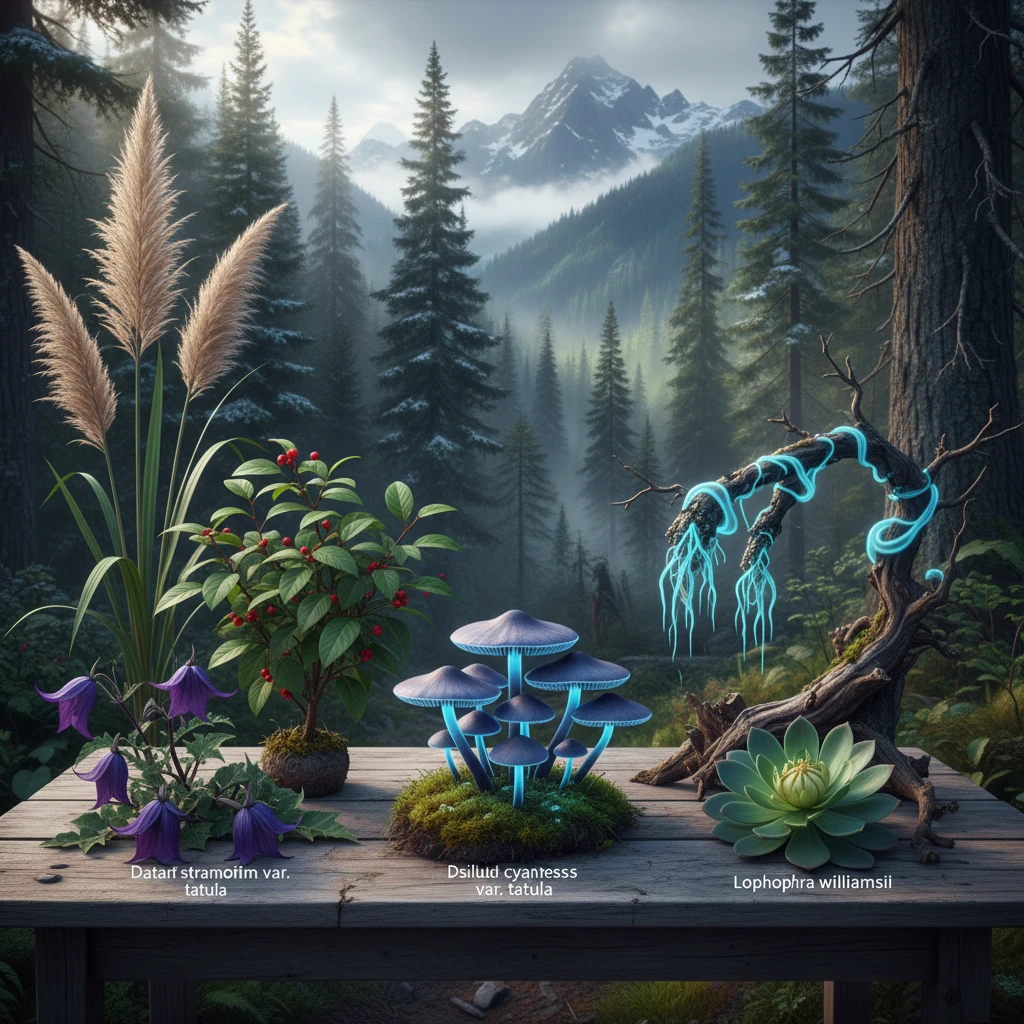
Canada’s vast and varied landscapes hold a treasure trove of botanical wonders, many of which possess remarkable psychoactive properties. For those intrigued by the natural world’s capacity to alter consciousness, a deeper understanding of these rare plants is essential. This guide aims to illuminate some of these hidden gems, providing insight into their effects, cultivation, and legal standing.
Exploring these botanicals requires a blend of respect for nature and an informed approach. We will delve into what defines “rare” and “psychoactive” in this context, helping you differentiate between common knowledge and the specialized information needed to appreciate these unique species responsibly.
Unveiling Canada’s Hidden Botanical Wonders: A Guide to Rare Psychoactive Flora
The allure of Canada’s diverse ecosystems
Canada’s immense geographical diversity, stretching from the Pacific coast’s temperate rainforests to the Arctic tundra and the central boreal forests, provides a rich tapestry of microclimates and geological conditions. This variety directly supports an astonishing array of plant life, many of which have evolved unique biochemical profiles. Certain regions, particularly those with specific soil compositions or historical geological activity, can foster the growth of plants with potent secondary metabolites, including those with psychoactive properties. These ecosystems are not merely backdrops; they are active participants in the evolutionary dance that creates botanical diversity. Understanding the specific ecological niches that certain rare psychoactive plants inhabit is crucial for their conservation and potential sustainable harvesting. Factors such as altitude, rainfall patterns, and the presence of symbiotic organisms can all play a role in the development and potency of these unique botanical specimens. For enthusiasts looking to explore further, resources on rare plants in Canada offer a glimpse into the country’s botanical richness.
Defining ‘rare’ and ‘psychoactive’ in the botanical context
In the realm of botany, “rare” often refers to species with limited geographical distribution, small population sizes, or those facing threats from habitat loss or over-collection. It implies a level of scarcity that necessitates careful stewardship and informed interaction. “Psychoactive,” when applied to plants, denotes substances that affect mental processes, mood, consciousness, or behavior by interacting with the central nervous system. It’s vital to distinguish between different types of psychoactivity; some plants might offer mild sedative effects, while others can induce profound perceptual and cognitive shifts. The potency and type of effect are often dose-dependent and can vary based on the plant’s growing conditions, harvest time, and preparation method. When discussing psychoactive botanicals, it is imperative to consider the full spectrum of their actions and to approach them with a thorough understanding of their chemical constituents and their known effects on the human mind. For a broader exploration of these unique discoveries, the article Rare Botanicals: Unique Psychoactive Discoveries provides valuable context.
Navigating the Legal Landscape: What You Need to Know in 2026
Current federal and provincial regulations in Canada
As of 2026, Canada’s legal framework surrounding psychoactive substances, including plants, is complex and continues to evolve. While many substances are regulated under the Controlled Drugs and Substances Act (CDSA), the interpretation and enforcement can vary, especially concerning plant species that may contain psychoactive compounds but are not explicitly scheduled. Federal laws outline prohibitions and exceptions, but provincial governments also enact their own legislation that can affect possession, cultivation, and distribution within their borders. For instance, while some provinces may have stricter regulations on certain plant species, others might adopt a more lenient approach, particularly if the plants are not commonly associated with recreational abuse. It is crucial for individuals to stay informed about the specific laws applicable in their province and to understand that possessing, cultivating, or distributing plants with scheduled substances, even in minute quantities, can carry significant legal consequences. Staying current with these regulations is paramount for anyone interested in these botanicals. Resources detailing rare psychoactive plants often include considerations for Canadian legality.
Distinguishing between possession, cultivation, and distribution
Understanding the legal distinctions between possessing, cultivating, and distributing psychoactive plants is critical for legal compliance. Possession typically refers to having physical control over a plant or its parts. The legal implications here often depend on the specific plant species and the quantity involved. Cultivation involves growing the plant from seed or cuttings, which can be viewed more seriously by authorities as it implies intent to produce a substance. Even growing a single plant, if it contains a regulated compound, could lead to charges. Distribution, which encompasses selling, gifting, or otherwise supplying plants or their derivatives to others, is generally considered the most serious offense. This act often carries the harshest penalties, as it is seen as contributing to the wider circulation of potentially controlled substances. Legal statutes often differentiate these acts, with penalties escalating from simple possession to intent to distribute. Ignorance of these distinctions is not a defense, making it essential to be aware of the legal ramifications of each action.
International legal variations for psychoactive botanicals
The legal status of psychoactive plants varies dramatically across the globe, presenting a significant challenge for international trade and personal travel. While Canada might have a specific legal stance on a particular plant, other countries may classify it differently, ranging from being completely legal to strictly prohibited. For example, a plant considered a botanical curiosity in one nation could be classified as a Class A drug in another. These discrepancies are often rooted in differing cultural attitudes, historical usage patterns, and varying approaches to drug policy. When considering international acquisitions or travel with such botanicals, it is imperative to research the laws of both the exporting and importing countries. Engaging in activities that are legal in one jurisdiction could lead to severe legal repercussions if the same actions are undertaken in a country with more restrictive laws. This global legal mosaic underscores the importance of thorough due diligence before any international engagement with these substances.
Spotlight on Select Rare Psychoactive Plants Available in Canada
The enigmatic nature of Salvia divinorum: effects and cultivation tips
Salvia divinorum, often referred to as “Diviner’s Sage,” is a member of the mint family native to the Oaxaca region of Mexico. Its psychoactive effects are primarily attributed to the potent compound salvinorin A, which acts as a kappa-opioid receptor agonist. Users report intense, short-lived dissociative and hallucinogenic experiences, often described as a journey through surreal landscapes or a profound sense of altered reality. Due to its unique mechanism of action, the effects are distinct from classic psychedelics like psilocybin or LSD. Legally, its status in Canada can be nuanced, and it’s crucial to verify current regulations. Cultivation is generally straightforward, requiring a humid environment, indirect sunlight, and well-draining soil. Cuttings are the most common propagation method. It thrives in conditions similar to other houseplants, making it accessible for home growers. However, the intensity of its effects means that responsible use, often in a safe and controlled setting, is paramount. For those interested in exploring its legal purchase, resources on rare psychoactive plants can guide them.
Exploring Mexican Dream Herb (Calea zacatechichi): for lucid dreaming
Calea zacatechichi, commonly known as the Mexican Dream Herb, is a plant traditionally used by the Chontal people of Oaxaca, Mexico, for divination and to induce vivid dreams. Its primary psychoactive effect is an enhancement of dream recall and an increase in the likelihood of experiencing lucid dreams, where the dreamer is aware they are dreaming and can exert some control over the dream narrative. The active compounds are believed to be sesquiterpene lactones, though their precise mechanism of action is still under research. Its taste is notoriously bitter, often leading users to consume it in teas or tinctures. In Canada, it is generally not a scheduled substance, making it legally accessible for possession and personal use, though it’s always wise to confirm current legal standing. Cultivation requires a warm, humid environment and well-drained soil, mimicking its native subtropical habitat. For those seeking to explore its potential for dream enhancement, understanding its preparation and typical dosage is key to a rewarding experience.
Blue Lotus (Nymphaea caerulea): historical use and modern applications
The Blue Lotus flower (Nymphaea caerulea) boasts a rich history of use in ancient Egypt and other cultures, where it was revered for its mild psychoactive, anxiolytic, and aphrodisiac properties. The plant contains alkaloids like aporphine and nuciferine, which are thought to contribute to its relaxing and mood-elevating effects. Unlike potent psychedelics, Blue Lotus typically induces a state of gentle euphoria, heightened sensory perception, and a sense of calm, making it suitable for relaxation and spiritual contemplation. It has been consumed as a tea, infused into wine, or smoked. In Canada, Blue Lotus is generally legal to possess and use for personal purposes, as it is not explicitly prohibited under the Controlled Drugs and Substances Act. Modern applications often focus on its therapeutic potential for stress reduction and enhancing meditative practices. The preparation as a tea is common, involving steeping dried flowers in hot water. Its historical significance and gentle effects make it an appealing botanical for many seeking a mild psychoactive experience.
Beyond the Common: Lesser-Known Botanicals with Profound Effects
The subtle power of Wild Lettuce (Lactuca virosa): an analogue for opioid relief
Wild Lettuce, specifically Lactuca virosa, is a plant often discussed for its mild sedative and analgesic properties, with some users comparing its effects to a gentler, less addictive form of opioid relief. The primary active compound is believed to be lactucarium, a milky latex containing alkaloids such as lactucin and lactucopicrin. These compounds are thought to interact with the central nervous system to produce a calming effect and reduce sensations of pain. While not a psychedelic in the traditional sense, its capacity to alter pain perception and induce relaxation makes it a notable botanical. In Canada, Wild Lettuce is generally legal to possess and cultivate for personal use, as it is not a scheduled substance. It is typically consumed as a tea, tincture, or smoked. Cultivation is relatively easy, as it grows like a common lettuce, preferring well-drained soil and adequate sunlight. Its accessibility and purported pain-relieving qualities make it a subject of interest for those seeking natural alternatives for discomfort management.
Understanding Kanna (Sceletium tortuosum): mood enhancement and stress reduction
Sceletium tortuosum, commonly known as Kanna, is a succulent plant native to South Africa, historically used by indigenous peoples for its mood-enhancing and stress-reducing effects. The primary psychoactive compounds in Kanna are mesembrine and related alkaloids, which act as selective serotonin reuptake inhibitors (SSRIs) and phosphodiesterase 4 (PDE4) inhibitors. This dual action contributes to its effects, which can include increased feelings of well-being, reduced anxiety, enhanced sociability, and a general sense of calm. Unlike potent psychedelics, Kanna typically produces a mild, euphoric, and grounding experience. In Canada, Kanna is generally legal for personal possession and use, as it is not a scheduled substance. It is commonly consumed as a powder (snuff), tea, or tincture. Cultivation requires well-draining soil and plenty of sunlight, mimicking its arid native environment. Its reputation for promoting positive mood and mitigating stress makes it an increasingly popular botanical for those seeking natural mental wellness support. For those interested in exploring the broader spectrum of legal psychoactive substances, the guide on Psychedelics for Beginners: A Canadian’s Guide can offer additional insights.
Responsible Sourcing: Ensuring Quality and Authenticity
Identifying reputable online distributors in Canada
Navigating the landscape of online psychoactive plant vendors requires a discerning eye. When seeking rare psychoactive plants in Canada, prioritize distributors with transparent business practices and a clear commitment to quality. Look for websites that offer detailed contact information, including physical addresses and customer support channels. A legitimate vendor will not operate solely through anonymous online forms. Researching customer reviews on independent forums and review sites can offer valuable insights into a vendor’s reliability, product consistency, and customer service. Be wary of sites that make extravagant claims or offer unrealistically low prices, as these can be indicators of counterfeit or low-quality products. Prioritizing vendors who are knowledgeable about their botanicals and can answer specific questions about cultivation and sourcing demonstrates a higher level of professionalism and dedication to their craft.
What to look for in product descriptions and certifications
Thorough product descriptions are a cornerstone of responsible purchasing. For any botanical, ensure the description clearly identifies the plant’s scientific name, common names, and its origin. Information regarding harvesting methods, drying processes, and storage conditions can also indicate quality. Reputable vendors will often provide details about the plant’s psychoactive compounds and their approximate concentrations. When assessing products, look for mentions of quality control measures and any available certifications. While specific certifications for rare psychoactive plants may be less common than for conventional herbs, look for indicators like organic sourcing, sustainable harvesting practices, or batch-specific testing information. A vendor that invests in detailing these aspects demonstrates a commitment to transparency and product integrity.
The importance of third-party testing for potency and purity
The most crucial indicator of a vendor’s commitment to quality is their willingness to provide evidence of third-party laboratory testing. These independent tests verify the potency of the psychoactive compounds and, critically, screen for contaminants such as heavy metals, pesticides, or microbial agents. A reputable distributor will make these lab reports readily accessible, often by batch number, allowing consumers to confirm the safety and efficacy of the product. When purchasing substances like those found in rare botanicals in Canada, ensuring purity through rigorous testing is paramount to a safe and predictable experience. Always ask for these reports if they are not immediately visible, and consider it a red flag if a vendor is unable or unwilling to provide them. This verification process safeguards against adulterated or misrepresented products.
Maximizing Your Experience: Dosage and Preparation Best Practices
Understanding volumetric dosing for plant extracts
Precise dosage is fundamental to a safe and predictable experience with psychoactive botanicals. For extracts, volumetric dosing is a widely recommended method, especially when dealing with potent liquids. This technique involves using a calibrated syringe or pipette to measure a specific volume (e.g., milliliters) of the extract. Unlike weight-based dosing, which can be inaccurate with varying densities of different extracts, volumetric dosing ensures consistency. It’s essential to know the concentration of the active compounds per unit volume, which should ideally be provided by a reputable supplier based on their lab testing. Starting with a very small, conservative dose is always advised, particularly when trying a new extract or when exploring less common compounds. Understanding the specific properties of the plant you are using is key to establishing appropriate volumetric measurements.
Techniques for consumption: tea, tinctures, and smoking
The method of consumption significantly impacts the onset, duration, and intensity of a psychoactive experience. For many botanicals, preparing a psychoactive tea is a common and accessible method. This typically involves simmering dried plant material in water, often with added spices or sweeteners to improve palatability. Tinctures, on the other hand, involve extracting the active compounds into a solvent, usually alcohol or glycerin, creating a concentrated liquid that is taken sublingually (under the tongue) for faster absorption. Smoking dried plant material offers the most rapid onset but often results in a shorter duration. Each method has its own preparation requirements and requires careful attention to dosage. For instance, the same plant material may require different dosages depending on whether it’s consumed as tea, tincture, or smoked.
The role of set and setting in botanical exploration
Beyond the substance itself, two critical factors significantly influence the quality of a psychedelic experience: set (your mindset) and setting (your environment). Set encompasses your psychological state – your intentions, expectations, mood, and overall mental health. Approaching exploration with curiosity, openness, and a calm, prepared mind greatly increases the likelihood of a positive outcome. Setting refers to the physical and social environment in which the experience takes place. A safe, comfortable, and familiar space, free from distractions and potential stressors, is ideal. Minimizing external stimuli and ensuring you are with trusted individuals, or alone in a secure place, fosters a sense of safety and allows for deeper introspection. For beginners, exploring resources on psychedelic use can provide valuable insights into preparing both your mindset and your surroundings.
Safety First: Mitigating Risks and Understanding Contraindications
Potential interactions with existing medications
One of the most critical safety considerations when exploring psychoactive botanicals is their potential to interact with existing medications. Many psychoactive compounds can alter brain chemistry in ways that may interfere with or amplify the effects of prescription drugs, including antidepressants (SSRIs, MAOIs), antipsychotics, and medications for cardiovascular conditions. These interactions can range from negligible to life-threatening. For example, certain substances can increase the risk of serotonin syndrome when combined with SSRIs. It is absolutely essential to consult with a healthcare professional before any botanical exploration if you are taking any prescription or over-the-counter medications. They can provide guidance on potential contraindications and help you assess the risks specific to your health profile. Never assume a substance is safe to combine with your current treatment regimen.
Recognizing and managing challenging experiences (bad trips)
While the goal of exploring rare psychoactive plants is often positive, it’s important to acknowledge that challenging experiences, colloquially known as “bad trips,” can occur. These are characterized by intense anxiety, fear, paranoia, or disturbing hallucinations. The key to managing such experiences lies in recognizing that they are temporary and often a manifestation of unresolved inner conflict or an overwhelming external environment. The most effective approach is to remain calm, reassure yourself that the effects will subside, and focus on your breath. Gentle redirection towards positive thoughts or memories can be helpful. If possible, adjust the setting to be more comforting. Remember, a difficult experience does not equate to harm if handled with understanding and a focus on grounding oneself. Resources on responsible psychedelic use often detail strategies for navigating these moments.
The importance of having a sober sitter
Engaging in botanical exploration, especially for the first time or with higher doses, is significantly safer and more beneficial when accompanied by a sober sitter. A sitter is a trusted, sober individual who remains present throughout the experience, providing support and reassurance. Their role is not to participate but to ensure the physical and psychological safety of the individual exploring. They can help ground the person during intense moments, manage the environment, and intervene if any unexpected issues arise. Choosing a sitter who is knowledgeable about psychedelics, calm under pressure, and trustworthy is crucial. Their presence can alleviate anxiety about potential challenges and allow the individual to surrender more fully to the experience, knowing they have reliable support available. This is a cornerstone of safe practice for exploring substances like those found in unique psychoactive discoveries.
The Science Behind the Psyche: Emerging Research and Therapeutic Potential
Historical shamanic uses and their relevance today
For millennia, indigenous cultures have employed a vast array of psychoactive plants in shamanic rituals, spiritual ceremonies, and traditional healing practices. These botanicals were not used recreationally but as tools for divination, spiritual connection, and the treatment of physical and mental ailments. Shamanic traditions often involved deep respect for the plants, intricate preparation methods, and profound understanding of their effects. Today, modern research is increasingly investigating these historical uses, seeking to understand the therapeutic mechanisms behind practices that have been refined over centuries. The insights gained from studying these ancient traditions provide a valuable framework for contemporary research into plant-based therapeutics, offering a glimpse into the profound relationship between humans and the natural world for healing and consciousness expansion.
Current studies on plant-based psychedelics for mental health
Contemporary scientific inquiry is experiencing a resurgence of interest in the therapeutic applications of plant-derived psychedelics. Research institutions worldwide are conducting rigorous clinical trials investigating compounds like psilocybin (found in magic mushrooms), DMT, and ibogaine for conditions such as depression, PTSD, anxiety, and addiction. These studies often involve controlled dosages within therapeutic settings, guided by trained professionals. Preliminary results have been highly promising, suggesting that these substances, when used responsibly, can facilitate profound psychological insights and lasting positive changes. For example, studies on the potential of ibogaine for addiction are exploring its capacity to interrupt cravings and withdrawal symptoms. The scientific community is meticulously working to understand the neurobiological mechanisms driving these therapeutic effects.
The future of botanical therapeutics in Canada
Canada is at the forefront of exploring the potential of botanical therapeutics, with evolving legal frameworks and a growing public interest in alternative healing modalities. As research continues to demonstrate the efficacy and safety of certain psychoactive plants for various mental health conditions, the future may see expanded access and integration into mainstream healthcare. This could involve regulated therapeutic programs, further research into novel plant-based compounds, and a greater understanding of their role in promoting well-being and consciousness. The ongoing exploration of rare psychoactive plants, alongside more commonly studied psychedelics, holds the promise of unlocking new avenues for healing and personal growth within a Canadian context, emphasizing education and responsible application.
Cultivating Your Own Garden of Wonders: A Beginner’s Guide
Essential environmental factors for successful growth
For those venturing into cultivating rare psychoactive plants at home, understanding and replicating ideal environmental conditions is paramount. Temperature and humidity play a crucial role; many exotic botanicals thrive in stable, warm environments reminiscent of tropical or subtropical climates. Fluctuations can stress the plants, leading to stunted growth or increased susceptibility to pests and diseases. Consider investing in a reliable greenhouse or a dedicated indoor grow tent equipped with thermostats and hygrometers to maintain precise control. Light spectrum and intensity are equally vital. Different plants have unique photoperiod requirements and optimal light intensities. Researching the specific needs of each species you intend to grow will inform your choice of grow lights, whether it be full-spectrum LEDs, HPS, or MH bulbs. Providing insufficient light will result in leggy, weak plants, while excessive light can cause scorching. Finally, airflow and ventilation are often overlooked but critical. Good air circulation prevents the buildup of stagnant air, which can foster fungal growth, and also helps to strengthen plant stems. Automated fans and occasional manual circulation will ensure your plants receive the fresh air they need to flourish.
Choosing the right soil and nutrient mixes
The foundation of any successful plant cultivation lies in its growing medium and nutritional support. For rare psychoactive plants, a well-draining, airy soil mix is generally preferred. Many species originate from epiphytic or rocky environments, meaning they dislike waterlogged conditions that can lead to root rot. A common base for such mixes includes perlite, coco coir, or orchid bark, combined with peat moss or compost to retain some moisture and provide initial nutrients. Specialized soil blends formulated for specific plant families, such as those for carnivorous plants or orchids, can sometimes be adapted. When it comes to nutrients, it’s essential to avoid over-fertilization, which can be detrimental. Start with a gentle, balanced liquid fertilizer, typically diluted to half or quarter strength, and apply it only during the active growing season. Observe your plants for signs of deficiency (like yellowing leaves) or excess (like brown leaf tips) to adjust your feeding schedule and concentration. Many growers find success with organic, slow-release fertilizers that mimic natural soil decomposition. Researching the specific nutritional requirements of your chosen species is the most effective way to ensure optimal health and vigor. For those seeking high-quality amendments and specialized soil components, exploring resources like rare botanicals and unique psychoactive discoveries can provide valuable insights into what makes a successful growing environment.
Propagation techniques for common psychoactive plants
Successfully propagating the plants you are interested in is key to expanding your collection and ensuring long-term availability. Several common techniques can be employed, depending on the species. Seed propagation is a natural starting point for many plants, but it can be slow and germination rates can vary significantly. Some seeds require specific scarification or stratification treatments to break dormancy. Cuttings, particularly stem or leaf cuttings, offer a faster route to a new plant that is genetically identical to the parent. This method is highly effective for many species where vegetative reproduction is natural. Proper sanitation of cutting tools and the use of rooting hormones can significantly increase success rates. Division is another viable method for certain plants that produce offsets or rhizomes. Carefully separating these new growths from the parent plant and repotting them allows them to establish their own root systems. For beginners, starting with easier-to-propagate species and mastering these techniques will build confidence before tackling more challenging botanicals. Understanding the specific propagation methods for plants like Salvia divinorum or certain varieties of psilocybin-containing mushrooms is crucial for a rewarding cultivation experience. For guidance on responsible use of some of these substances, consulting a resource like psychedelics: responsible use guide 2026 can provide essential safety information.
Discreet Packaging and Secure Ordering: Your Privacy Matters
What to expect from secure online platforms
When purchasing sensitive items online, especially those related to rare botanicals or psychoactive substances, the security and discretion of the transaction are paramount. Reputable vendors prioritize robust security measures to protect your personal and financial information. This typically includes using SSL encryption across their entire website to safeguard data transmission. Look for platforms that offer multiple secure payment options, such as credit cards, e-transfers, or cryptocurrency, which can add an extra layer of anonymity. Furthermore, secure online platforms will clearly outline their privacy policy, detailing how your data is collected, used, and protected. They will also implement confidential account management systems, ensuring your purchase history remains private and inaccessible to unauthorized parties. Be wary of sites that lack clear contact information, professional website design, or transparent security protocols. A trustworthy vendor will readily provide details about their security practices, reassuring you that your sensitive transactions are handled with the utmost care. For individuals looking to source specific items with guaranteed purity, options like order LSD online: purity guaranteed Canada exemplify the type of transparent offering found on secure platforms.
Understanding shipping timelines and tracking
A critical aspect of ordering sensitive items online is understanding the shipping process from order confirmation to delivery. Secure vendors will typically process orders within a defined timeframe, usually 1-3 business days, after which you will receive a confirmation email. This email should contain your order details and an estimated shipping date. Once your order has been dispatched, you will be provided with a tracking number. This number allows you to monitor the progress of your package in real-time through the carrier’s website. Shipping timelines can vary significantly based on your location and the shipping method selected at checkout, ranging from a few business days for domestic express services to several weeks for international standard mail. It is important to be aware of any potential customs delays or import restrictions if ordering internationally. Many reputable sellers use discreet packaging – plain boxes or envelopes with no outward indication of the contents – to ensure your privacy throughout the delivery process. Familiarizing yourself with the vendor’s specific shipping policy, often found in an FAQ or shipping section, is essential for managing expectations and ensuring a smooth delivery experience.
Customer support channels for inquiries and concerns
Should any questions or issues arise during your purchasing journey, having access to reliable customer support is essential. Secure and reputable online distributors offer multiple channels to address your concerns promptly and effectively. These typically include email support, which is suitable for detailed inquiries or providing documentation, and often a live chat feature on their website for immediate assistance during business hours. Some vendors also provide a dedicated phone line for urgent matters or those who prefer direct communication. When contacting customer support, be prepared to provide your order number or relevant details to help them quickly identify your account and assist you. It’s advisable to check the vendor’s website for their specified support hours and typical response times. A well-established customer service team will be knowledgeable about their products, shipping procedures, and return policies, ensuring you receive accurate and helpful information. If you are looking for guidance on purchasing rare plants, resources detailing rare psychoactive plants: exploring botanical psychedelics can offer a starting point for your inquiries, often linking to helpful support sections.
Navigating the world of rare psychoactive plants involves careful planning, from cultivation to responsible acquisition. Understanding the environmental needs of your chosen botanicals, selecting appropriate growing mediums, and mastering propagation techniques are foundational steps for successful home cultivation. Equally important is the security and discretion involved in sourcing these unique specimens. By choosing vendors with robust security measures, clear shipping policies, and accessible customer support, you can ensure a private and reliable experience.
For those interested in exploring the diverse offerings in this niche, CanadaBotanals.com serves as a valuable resource, providing detailed information and secure purchasing options for a wide array of rare botanicals and related substances.
Leave a Reply